For a museum audio tour played on your own phone, first choose headphones that work with the museum’s playback method and feel comfortable to wear. Then consider how much sound you want to block out and whether you need to let ambient sound in. According to Sony Netherlands, ANC works best on constant low- to mid-frequency sounds, but won’t automatically make conversations inaudible. A switchable ambient mode is useful if you want to be able to hear a staff member or fellow visitor during the tour.
Who is this choice relevant to?
Visitors who want to hear the commentary clearly
You want to listen to the tour on your own phone without using its speaker. Wereldmuseum Amsterdam recommends bringing your own earbuds or headphones for mobile use; the Rijksmuseum also advises visitors to bring headphones.
Visitors who want to stay approachable
You want to be able to respond to a staff member or someone you’re travelling with during the commentary. JBL and Sennheiser describe ambient or transparency modes that let surrounding sound through; check how to operate them on the model you choose.
Visitors who want to travel light
You’ll wear your listening device as you walk around, then put it away afterwards. The Consumers’ Association notes that over-ear headphones take up more room in a bag; Sennheiser also offers a compact in-ear model with a choice of ear tip sizes.
What should you look for in headphones for a museum audio tour?
First check how the museum plays and connects to the tour. Then choose between greater isolation to help you follow the commentary and a mode that lets you hear surrounding sounds.
| What to consider |
What to look for |
Who is this most important for? |
| Hearing the spoken commentary clearly |
Consider the fit and noise isolation; don’t expect ANC to block out every voice. |
If I want to follow the commentary clearly without constantly turning up the volume, I’ll focus on fit and noise isolation. Around 33% of consumers say clear speech is their top priority. |
| Staying approachable |
Check whether there’s an ambient mode and how to activate it while listening. |
If I want to hear a staff member or someone I’m travelling with, being able to switch modes quickly matters more than maximum isolation. Around 27% of consumers put being approachable first. |
| Fit and portability |
Compare over-ear and in-ear designs; check the fit and compare battery life using the same ANC setting. |
If I’m wearing headphones for a long time and want to put them away afterwards, both comfort and size matter. For around 20% of consumers, comfort and compactness are the main considerations. |
| Connecting to the tour |
Check the museum’s playback method, your phone and the Bluetooth or cable connection. |
If I want to play the tour on my own phone, I’ll first check that it works with the headphones I’ve chosen. Around 20% of consumers make their phone connection their top priority. |
Common buying mistakes
-
Expecting ANC to block out every conversation
According to Sony Netherlands, noise cancellation works best on constant low- to mid-frequency sounds. Voices may still be audible, even when ANC is on.
Compare how well the headphones seal around your ears and, if possible, listen to spoken audio on your own phone before choosing a model.
-
Comparing battery life without checking the ANC setting
JBL’s maximum battery life for the Tune 770NC is with Bluetooth on and ANC off. Sony lists separate maximum figures for the WH-1000XM6 with ANC on and off.
Compare manufacturers’ figures using the same settings, and don’t treat a maximum as guaranteed battery life.
-
Choosing headphones before checking the tour
Museums may use different playback methods. Wereldmuseum Amsterdam describes a mobile tour using QR codes and mentions loan devices; the Rijksmuseum refers visitors to tours in its own app.
Check the instructions for the museum you’re visiting, then test the tour on the phone you plan to take with you.
Brands and models to compare
Sony
The WH-1000XM6 is an over-ear model with ANC, ambient mode, Quick Attention, Bluetooth and a detachable audio cable.
- Sony quotes up to 30 hours of music playback with ANC on and up to 40 hours with ANC off.
- These manufacturer figures won’t tell you how comfortable the fit is or how clearly you’ll hear speech in a museum.
JBL
The Tune 770NC is a foldable over-ear model with ANC and Ambient Aware and TalkThru modes, which you can activate via the JBL app.
- The modes described let you hear surrounding sounds without taking your headphones off.
- JBL quotes up to 70 hours with Bluetooth on and ANC off; that maximum doesn’t automatically apply when ANC is on.
Sennheiser
The ACCENTUM Wireless is an over-ear model with hybrid ANC and transparency mode; the ACCENTUM True Wireless is a compact in-ear alternative with a choice of ear tip sizes.
- Sennheiser quotes up to 50 hours with ANC on for the ACCENTUM Wireless. For the ACCENTUM True Wireless, the brand quotes up to 8 hours per charge, plus another 20 hours from the charging case.
- The quoted battery life won’t tell you whether the fit or speech playback will feel comfortable during your visit.
soundcore
The Space One is an over-ear model with ANC and adjustable transparency. The Space One Pro also focuses on foldability.
- For the Space One, soundcore quotes up to 40 hours with ANC on and 55 hours with ANC off.
- Consider the fit and how to operate transparency mode separately, based on how you plan to use the headphones.
Joybuy products for a museum audio tour
These Joybuy products are headphones and earbuds for personal listening, including models described as offering noise cancellation or a way to let surrounding sounds in.
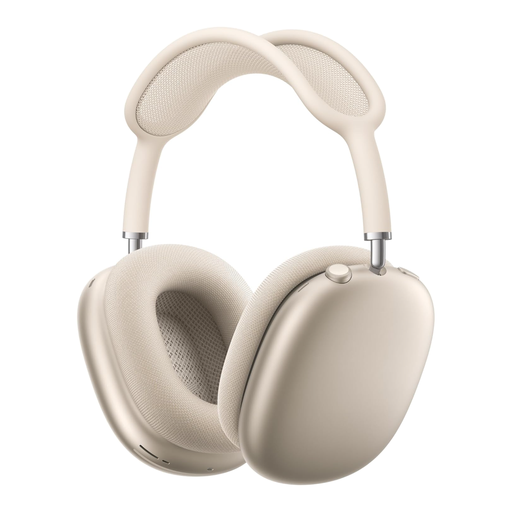 Image unavailable
AirPods Max 2 – Starlight
An option to compare if you want to minimise distractions during the tour and let surrounding sounds in when needed; the product information mentions Active Noise Cancellation, Transparency and Conversation Awareness.
View at Joybuy
 Image unavailable
Sennheiser MOMENTUM 4 Wireless – Black
A good option to compare if you’re looking for an over-ear model with noise cancellation and the option to let surrounding sounds in; the product information mentions Adaptive Noise Cancellation, Transparency Mode and Bluetooth.
View at Joybuy
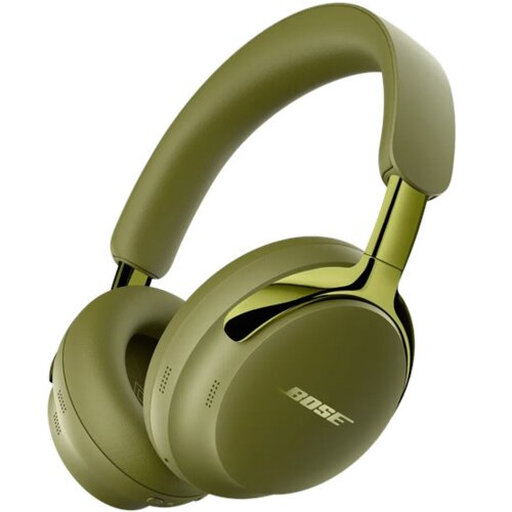 Image unavailable
Bose QuietComfort Ultra Headphones (2nd Gen) – Olive Green
An over-ear option if you want to listen privately and reduce distractions during a tour; the product information mentions Active Noise Cancellation and Bluetooth 5.4. A charger isn’t included, and PD fast charging isn’t supported.
The product information mentions magnets and advises people with a medical implant to consult a doctor.
View at Joybuy
 Image unavailable
Bose Noise Cancelling Wired Earbuds – Black
A compact in-ear option for listening privately without Bluetooth; the product information mentions Active Noise Cancellation and a wired USB-C connection. Your phone needs a compatible USB-C port.
A choice of ear tip sizes and stability bands is mentioned; you’ll need to judge the fit for yourself.
View at Joybuy
 Image unavailable
Bose QuietComfort Ultra Bluetooth Headphones – Black
A good fit if you’re looking for an over-ear model with Bluetooth and Active Noise Cancellation to play the tour privately; the product information also mentions an audio cable included in the box.
View at Joybuy
Frequently asked questions
Can you listen to the same phone-based audio tour in every museum in the Netherlands?
No, don’t assume they all use the same playback method. Wereldmuseum Amsterdam describes a tour accessed via QR codes on a compatible smartphone and also mentions loan devices; the Rijksmuseum refers visitors to tours in its own app. Check the instructions for the museum you’re visiting.
How can you keep your listening volume at a sensible level?
Start at a low volume and don’t turn it up just to drown out the sounds in the galleries. VeiligheidNL explains that well-sealing headphones or well-fitting earbuds can help reduce the need to mask background noise by turning up the volume.
How should you prepare your headphones for a museum visit?
Open the tour on the phone you’re taking with you, try playing it and practise pausing and switching to ambient sound. Check the battery life for the ANC setting you plan to use: a maximum figure with ANC off doesn’t automatically apply when ANC is on.
What are your rights when you buy headphones online?
In the Netherlands, when you buy at a distance, the seller must provide information about your right to change your mind, among other things; according to the Dutch government, this is usually 14 days. You’re also entitled to a product that works properly, and should contact the seller if there’s a problem. Check the terms of your specific purchase to see how the cancellation period applies.


