Who are these earbuds for?

For anyone who wants to stay within earshot

You listen to the tour beforehand, but don’t want to miss the switch to group instructions. Museum Huis Doorn recommends that visitors bring their own earphones or headphones; open designs from Shokz and JBL let in surrounding sounds.

For anyone who wants to hear the commentary clearly

You want to prioritise spoken commentary in a busier gallery, then quickly reconnect with the group. Sony describes the WF-C710N as having an ambient mode, although fit is a personal matter.

For anyone who wants a straightforward connection

You want to start the tour on your own phone without any surprises with the connection, pairing or battery charge. Cruquius Museum describes an audio tour using a smartphone and earphones; check the instructions for the museum you’re visiting.

Which features matter most?

Open-ear or ear-clip

Choose this option: if you want to hear your group while listening, without earbuds that seal off your ears.

Bear in mind: surrounding sounds come through too, which can make spoken audio harder to hear in a busier space.

In-ear with ambient mode

Choose this option: if hearing clearly over background noise is your priority and you can switch modes when someone in the group speaks to you.

Bear in mind: fit and controls vary by model; take your earbuds out if you need to be sure of hearing important instructions.

Wired USB-C in-ear

Choose this option: if you don’t want to charge an earbud battery and your phone supports audio through the USB-C connection in question.

Bear in mind: you’ll need a compatible connection, and the cable may get in the way.

What to consider What to check when buying Who is this important to?
Hearing your group Compare open-ear designs with an ambient mode that’s quick to use; test spoken audio at a moderate volume. If I need to respond quickly during the rehearsal, I want to hear the tour without losing touch with the group. Around 33% of consumers put staying in contact with the group first.
Hearing spoken commentary clearly Try the in-ear fit and check that the ambient mode is easy to use. When I mainly want to follow the spoken commentary in a busier gallery, I look for a fit and listening mode that suit the task. Around 25% of consumers prioritise hearing the tour clearly.
Connecting to your phone Check the tour instructions, audio output and, for wireless earbuds, the pairing process. I want to start the tour on my own phone without having to figure out the connection or pairing first. Around 25% of consumers put a hassle-free connection ahead of other reasons for buying.
Fit and battery life Check the wearing style, any earbud size options and the stated listening time per charge. If I’m listening for a long time, I want comfortable earbuds that won’t need charging again before I’m finished. Around 17% of consumers put comfort and battery life first.

Which buying mistakes can you avoid?

  • Confusing battery life with the charging case for continuous listening time

    A charging case recharges wireless earbuds, but not while you’re wearing them. The stated listening time for the Sony WF-C710N also varies depending on the settings.

    Compare the stated time per charge and for your chosen sound mode with the length of your visit.

    If the connection doesn’t work, you may need a different connection or another listening device.

Brands to consider

Shokz

The OpenFit 2 is an example of an open-ear design for anyone who wants to stay aware of their surroundings during the tour.

  • Shokz describes an open design with physical controls.
  • The manufacturer’s information doesn’t show how clearly spoken audio can be heard in a museum; check the listening time and fit for your needs.

JBL

Soundgear Clips is an example of an ear-clip design that leaves the ear canal open; Tune 310C USB is a wired USB-C option.

  • JBL says Soundgear Clips doesn’t block the ear canal; Tune 310C USB has in-line controls.
  • For the USB-C model, check that your device supports audio through that connection. Manufacturer claims about sound aren’t the same as an independent museum test.

Sony

The WF-C710N is a wireless in-ear model with noise cancellation and an ambient mode; the IER-EX15C is a wired USB-C option.

  • Sony Netherlands states that the WF-C710N offers up to 8.5 hours of continuous music playback with noise cancellation on, and up to 12 hours with it off.
  • These stated figures aren’t measured museum listening times. The IER-EX15C requires a compatible USB-C audio connection, and fit varies from person to person.

Apple

AirPods 4 with Active Noise Cancellation are worth considering if you’re looking for non-sealing earbuds with a Transparency mode.

  • Apple lists Transparency mode for the version with Active Noise Cancellation.
  • Don’t confuse this version with the standard AirPods 4. Apple’s comparison isn’t an independent museum test; check the features and controls with your own device.

Joybuy products for these listening options

This selection from Joybuy includes open-ear models, wireless in-ear earbuds with ambient sound and wired USB-C in-ear earbuds. Before buying, check that the connection and listening mode you choose will work with your phone and suit your museum visit.
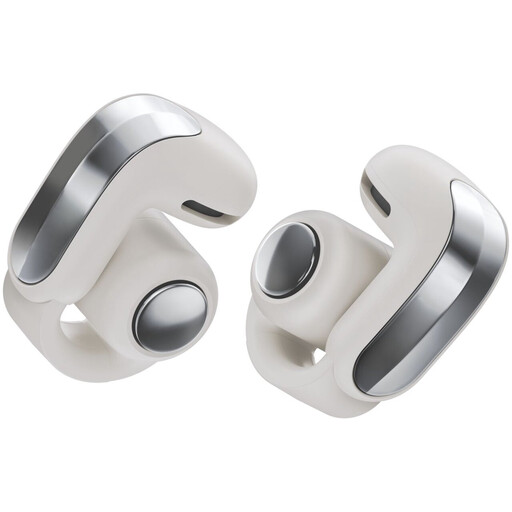
Bose Ultra Open Earbuds 2nd Gen, white

Bose Ultra Open Earbuds 2nd Gen – White

An open-ear option if you want to keep letting in surrounding sounds while you listen.

The product information lists Bluetooth and an ear-cuff design. Stated playback time is up to 5 hours with Immersive Audio enabled.

View at Joybuy
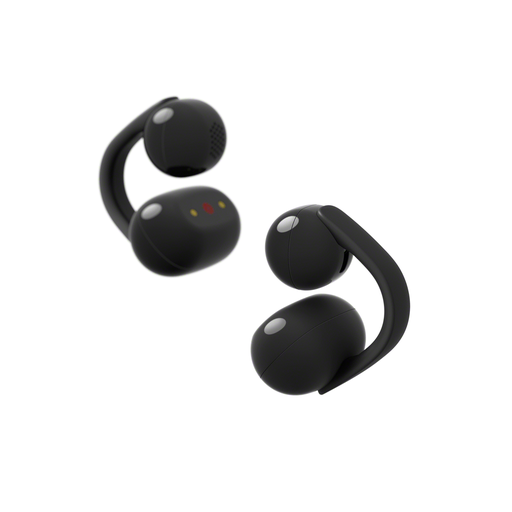
Sony LinkBuds Clip, black

Sony LinkBuds Clip – Black

A wireless clip-on design if you’re looking for an open style that leaves the ear canal clear.

The product information lists Bluetooth and several playback modes; check the controls before relying on being able to switch modes.

View at Joybuy
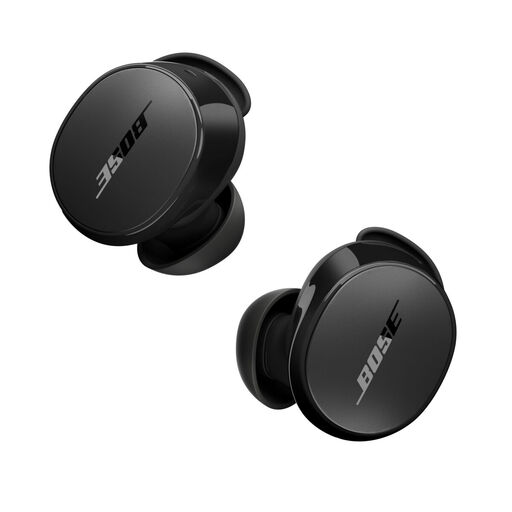
Bose QuietComfort Earbuds, black

Bose QuietComfort Earbuds – Black

Wireless in-ear earbuds for anyone who wants to switch between noise cancellation and listening with ambient sound.

The product information lists an Aware mode alongside noise cancellation, and a stated playback time of up to 8.5 hours per charge.

View at Joybuy
Sony WF-C710N, black

Sony WF-C710N – Black

Wireless in-ear earbuds if you want to switch between noise cancellation and ambient sound in the presence of background noise.

Sony Netherlands states that continuous music playback lasts up to 8.5 hours with noise cancellation on, and up to 12 hours with it off. To let in surrounding sounds, switch on Ambient Sound Mode.

View at Joybuy
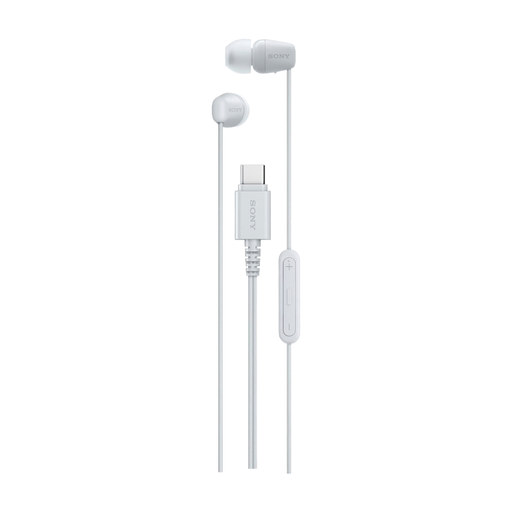
Sony IER-EX15C USB Type-C, white

Sony IER-EX15C USB Type-C – White

Wired in-ear earbuds if you want a pair without a separate battery and your phone supports USB-C audio.

The product information lists a built-in microphone and in-line controls. The stated passive noise isolation may make it harder to hear instructions from the group.

View at Joybuy

Frequently asked questions

Can I use my own earbuds for every museum audio tour?

First, check the instructions for the museum you’re visiting. Cruquius Museum describes a tour using your own smartphone and earphones; Museum Huis Doorn recommends bringing your own earphones or headphones. This doesn’t mean every museum offers the same access or equipment.

What should I set up before I leave?

Open your museum’s tour instructions and test the tour on your own phone. Pair wireless earbuds in advance and check the battery; if you’re using wired USB-C earbuds, check that your device outputs audio through that connection.

How can I listen responsibly if I’m rehearsing afterwards?

The World Health Organization advises considering sound levels, listening duration and frequency of exposure. Keep the volume moderate and limit your listening time. Standard playback earbuds don’t automatically provide hearing protection for a loud rehearsal.

What if the earbuds I bought online aren’t right for me or break quickly?

According to ACM ConsuWijzer, online consumer purchases often come with a 14-day cooling-off period after delivery, subject to exceptions, including certain hygiene products that have been removed from their packaging. Before opening the packaging, check the terms for the specific product. You’re also covered by the legal guarantee if a product doesn’t meet the standard you could reasonably expect when used normally; the seller is responsible for this.

Which product safety rule applies in the Netherlands?

The Dutch Authority for Digital Infrastructure lists wireless headphones among the equipment that must carry the correct CE marking. Check the marking and follow the instructions; a mention on a sales page alone doesn’t independently confirm that a specific item meets all the requirements.
