
Listeners who want to hear museum commentary clearly
You want to follow the Dutch-language commentary while other visitors are talking, without constantly turning up the volume. VeiligheidNL explains that a good fit lets in less background noise.


Choose a closed-back model if clear tour commentary is your priority. Go for open-ear headphones if you want to stay approachable, or choose a model with a switchable ambient mode if you want to move between the two. A good fit can reduce background noise, but an ANC label alone won’t tell you how clearly you’ll hear the museum commentary. Also check how the tour is played and whether the headphones work with the device you’ll be using.
You want to follow the Dutch-language commentary while other visitors are talking, without constantly turning up the volume. VeiligheidNL explains that a good fit lets in less background noise.
You’re listening before a rehearsal but still want to hear questions or instructions from your group. An open design or switchable ambient mode could be useful; the mode you choose and how the headphones fit both make a difference.
You want to know in advance how the tour is played. The Rijksmuseum refers visitors to its app, while Wereldmuseum Amsterdam mentions a QR-compatible smartphone or a loan device.
Start with your main consideration: do you want to hear the tour more clearly over conversations, stay in touch with your group, or simply make sure the headphones work with the playback device?
| What to consider | What should you look for? | Who is this most important to? |
|---|---|---|
| Clear commentary | Check the fit and try a spoken clip at a moderate volume. Assess speech clarity separately from noise cancellation. | If I can hear other visitors and want to follow the commentary without constantly turning it up, clear sound comes first; around 31% of consumers say this is their top priority. |
| Staying in touch with the group | Compare an open design with a switchable ambient mode, and check whether it’s easy to operate. | If I want to hear questions or instructions before the rehearsal, I need to be able to hear my surroundings; around 25% of consumers give staying in touch with their group top priority. |
| Fit and comfort | Check that earbuds stay in place and that over-ear headphones feel comfortable. Make sure you can reach the controls while moving around. | If I’m wearing headphones for a long time during my museum visit, I want them to stay comfortable; around 19% of consumers put wearing comfort first. |
| Connectivity and playback time | Check the museum’s playback method and the audio connection on your phone or loan device. If you’re going wireless, check the stated playback time per charge. | If I’m not sure which device will play the tour, I want to check the connection first; around 25% of consumers give reliable connectivity and playback time top priority. |
Noise cancellation and speech clarity are separate features. The Consumentenbond assesses them separately, and fit and background noise also play a part.
If possible, try a spoken clip with the fit and settings you plan to use in the museum.
With an open design, you can still hear your surroundings. That can help you stay in touch with your group, but it can also drown out the spoken tour.
Choose open-ear headphones if staying approachable is your priority. If the commentary is hard to hear, it’s better to pause or find a quieter spot rather than automatically turning up the volume.
Museums may use different playback methods. The Rijksmuseum refers visitors to an app, while Wereldmuseum Amsterdam mentions a QR-compatible smartphone or a loan device.
Check how the tour works with the museum, and test the connection with the device you’ll actually be using.
According to the Dutch government, a manufacturer’s warranty is separate from your legal right to a product that works properly. If there’s a fault, contact the seller.
Check exactly what an additional warranty covers and how it relates to your legal rights.
The WF-C710N is an in-ear option with an ambient mode, while the WH-CH720N is an over-ear model with a wired option. The two models illustrate different choices for fit and connectivity.
According to JBL, the Tune Flex 2 lets you choose between a more open fit and sealed earbuds.
The OpenFit 2 is an open-ear option for anyone who wants to stay approachable before a rehearsal.
This selection includes over-ear, wired and in-ear options for anyone who wants to follow museum audio and stay in touch with their group before a rehearsal.
 No image available
An option to consider if you’re looking for over-ear headphones and want to weigh up how to reduce background noise while staying in touch with your group.
The product information lists 60 hours of battery life, Fast Charging and 4 microphones.
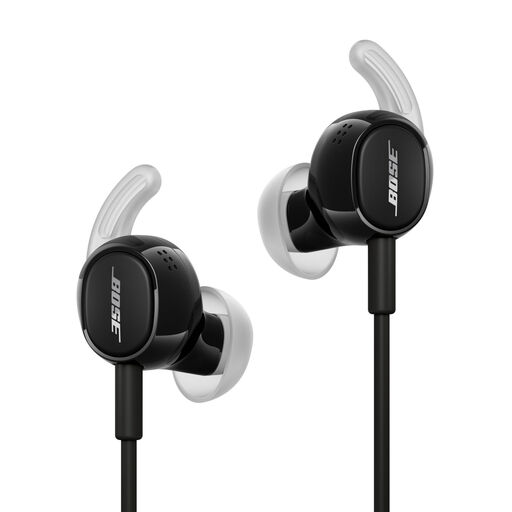 No image available
A wired in-ear option to consider if you don’t want to use a wireless connection.
Check that your playback device supports USB-C audio for use with the stated connection.
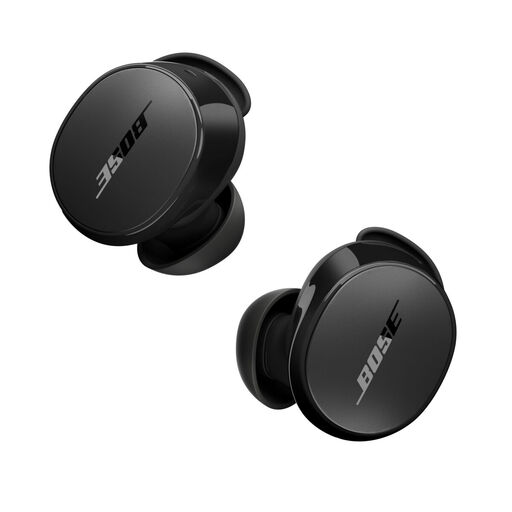 No image available
An option to consider if you want to reduce background noise while listening closely, then let sound through when you need to talk to your group.
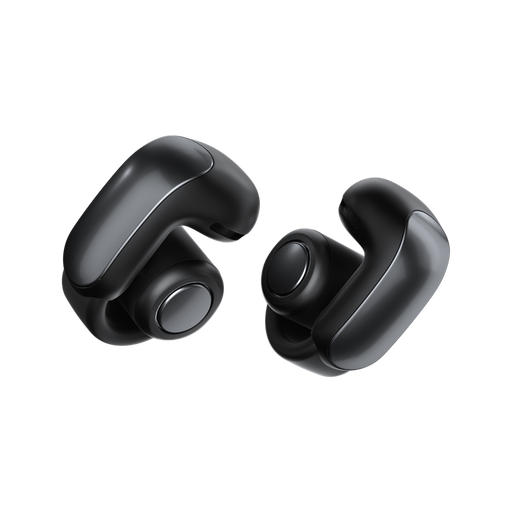 No image available
An open-ear option for anyone who wants to stay approachable. You can still hear your surroundings, which may drown out the tour commentary.
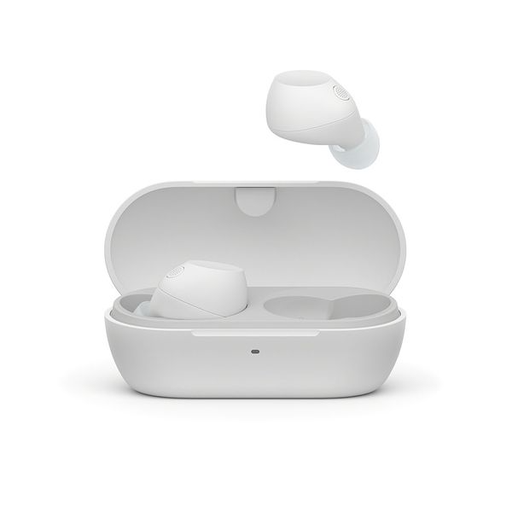 No image available
An option to consider if you want to reduce background noise while listening closely, then switch to ambient mode when you need to talk to your group.
It depends on the playback method and device. The Rijksmuseum refers visitors to an app for its tours, while Wereldmuseum Amsterdam mentions a QR-compatible smartphone or a loan device. Check with your museum to find out how the tour works, and check which audio connection your device has.
Open the tour on the device you’ll be using before you go, check the connection and try a spoken clip. If you’re using wireless headphones, check whether the stated playback time per charge is enough for your visit; playback time including the charging case isn’t the same as one uninterrupted listening session.
If background noise is drowning out speech, try well-fitting, closed-back headphones or in-ear earbuds, and keep the volume moderate. VeiligheidNL explains that a good fit lets in less background noise; this doesn’t guarantee that any particular model will prevent hearing damage.
According to the Dutch government, you have the right to a product that works properly, and should contact the seller if there’s a fault. The Netherlands has no fixed statutory warranty period for all products; a manufacturer’s warranty is in addition to your legal rights.
According to the Dutch government, when you buy from a business at a distance, you usually have 14 days to change your mind, although there are exceptions. Before breaking any seal, check the terms that apply to the product; the general rule doesn’t clarify the position for every opened in-ear product.