For museum audio played locally, first choose headphones that work with your phone. Then consider speech clarity, an easy-to-access pause or ambient sound mode, and a comfortable fit. Over-ear headphones may suit longer listening sessions; compact earbuds take up less space, but fit is a personal choice. Noise cancelling does not always reduce voices enough: Sony Netherlands notes that it can be less effective at higher frequencies, such as speech.
Who is this choice relevant to?
Visitors who want to follow spoken stories clearly
You’re listening to Dutch-language clips on your own phone and want fewer distractions without constantly turning up the volume. So consider speech clarity and a comfortable fit, as well as noise cancelling.
Visitors who want to stay approachable
You want to be able to switch between listening and talking to staff or the people you’re with during the tour. A pause function or ambient sound mode that’s quick to access can be useful.
Visitors who want to travel light
You’d rather carry less and are comparing compact earbuds with the size and comfort of over-ear headphones. The right fit is important.
What should you look for?
When visiting a museum with your own audio files, speech clarity, awareness of your surroundings, phone compatibility and comfort all play a different part.
Over-ear headphones
A good fit if: you listen to longer clips and don’t mind taking up extra space in your bag. The Consumers’ Association describes over-ear models as often comfortable for long listening sessions.
Keep in mind: they’re larger; try them on for fit and check how quickly you can switch on ambient sound mode.
In-ear earbuds
A good fit if: travelling light is a priority and the earbuds feel comfortable and create a good seal.
Keep in mind: fit varies from person to person; transparency mode doesn’t guarantee you’ll hear every voice or announcement.
| What to consider |
What to look for when buying |
Who is this important for? |
| Clear speech |
Assess speech reproduction and fit as well as ANC; try a representative clip and choose a comfortable, low volume. |
If you want to follow spoken explanations without constantly turning up the volume, clear speech is the top priority for around 33% of consumers. |
| Hearing ambient sound |
Check that pause and ambient sound mode are easy to access; a mode that lets sound through doesn’t guarantee you’ll hear every announcement. |
If you want to stay in touch with staff or the people you’re with while listening, this is the top priority for around 25% of consumers. |
| Playing audio from your phone |
Check in advance that your own file or the required app works on your phone; also check the Bluetooth connection or the connection you’ll need. |
If you want to make sure local files or your chosen museum tour will play on your phone, compatibility is the top priority for around 25% of consumers. |
| Fit and portability |
Try on over-ear headphones where possible, and check which sizes are included with earbuds; compare battery life using the same settings. |
If comfort and travelling light matter most to you, around 17% of consumers choose comfort and portability as their first consideration. |
Common buying mistakes
-
Expecting ANC to filter out every conversation
Noise cancelling doesn’t reduce every sound. Sony Netherlands explains that it can be less effective at higher frequencies, such as speech.
Consider speech clarity and fit as well as ANC. Pause the audio when someone speaks to you.
-
Mistaking an online QR-code audio tour for an offline file
Museums offer different ways to play their tours. Cruquius Museum describes an app tour you can download; Het Scheepvaartmuseum describes an online tour accessed using a QR code.
Check how the tour works at the museum you’re visiting, and test in advance whether your chosen audio plays without a network connection.
-
Comparing battery life without taking the settings into account
Manufacturers quote playback times under different conditions. JBL gives different maximum battery life figures for the Tune 780NC with ANC and Bluetooth switched off or on; Sennheiser lists the ACCENTUM True Wireless earbuds’ listening time separately from the charging case’s capacity.
Compare playback times using the same settings, and don’t count extra charges from a case as uninterrupted listening time.
-
Choosing wired headphones without checking the connections
A mini-jack won’t plug directly into every newer phone. Museum Hoge Woerd warns that some phones don’t have a headphone socket.
Check the connections on both your phone and headphones, and test them together before your museum visit.
Brands to consider
Sony
The WH-CH720N is an over-ear option worth considering if a detachable audio cable and ambient sound mode are important to you.
- Sony lists the WH-CH720N at around 192 g, with up to 35 hours of battery life with noise cancelling switched on.
- According to Sony, the model supports passive wired listening.
- Check that your phone’s connection is compatible with the cable you choose.
Sennheiser
ACCENTUM Wireless is an over-ear option with podcast and transparency modes; ACCENTUM True Wireless is a separate, compact in-ear option.
- Sennheiser lists up to 50 hours of battery life for ACCENTUM Wireless with ANC switched on.
- For ACCENTUM True Wireless, Sennheiser lists up to 8 hours of playback from the earbuds, with a further 20 hours from the charging case.
- Playback time from the charging case isn’t uninterrupted listening time. Fit and comfort are personal.
JBL
The Tune 780NC is an over-ear option with Ambient Aware, TalkThru and an audio cable included.
- JBL lists up to 76 hours with ANC and Bluetooth switched off, and up to 50 hours with both switched on.
- These maximum figures are based on different usage conditions and aren’t an independent comparison with other brands.
Joybuy products for museum audio
This selection includes wireless over-ear headphones with noise cancelling and wired USB-C earbuds. For each model, check that the connection and playback method work with your phone and the museum tour.
 No image available
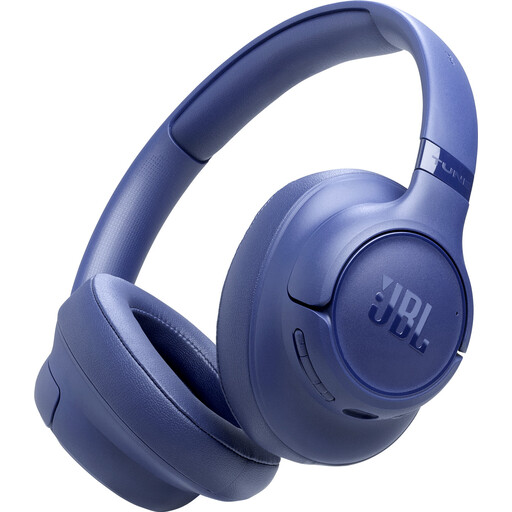
JBL Tune 730BT, blue
Ideal if you want to listen wirelessly from a Bluetooth phone using over-ear headphones.
Bluetooth; over-ear design; noise cancelling; foldable, according to the product description.
View at Joybuy
 No image available
Sennheiser MOMENTUM 4 Wireless, black
Ideal if you want to combine ANC with an over-ear model and switch to ambient sound when needed.
Bluetooth; adaptive ANC and Transparency Mode; 3.5 mm audio cable included; can be used passively without a battery, according to the product description.
View at Joybuy
 No image available
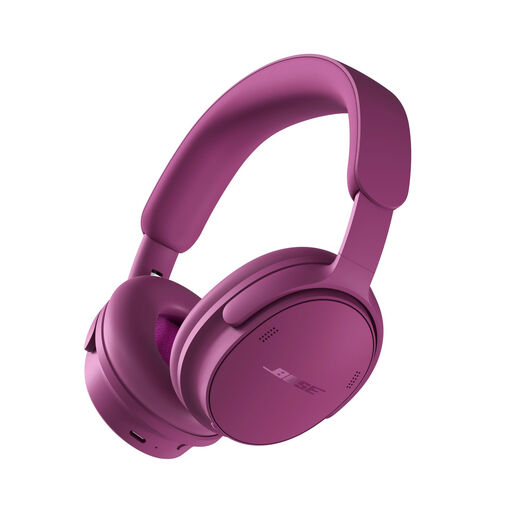
Bose QuietComfort Headphones (2nd Gen), Rosewood Mauve
Ideal if you want noise cancelling and a mode that lets you switch between listening and ambient sound.
Bluetooth; Quiet Mode and Aware Mode; wired audio via USB and a 3.5 mm cable, according to the product description.
View at Joybuy
 No image available
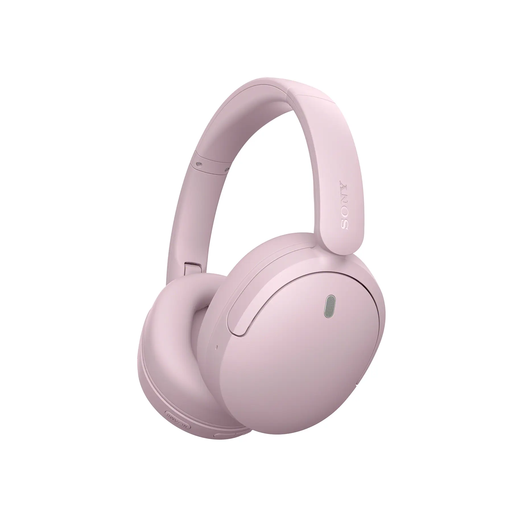
WH-CH730 wireless headphones, pink
Ideal if you’re looking for noise cancelling and wired listening in one over-ear model.
Bluetooth; noise cancelling and Ambient Sound Mode; detachable cable and passive operation, according to the product description; foldable; around 207 g.
View at Joybuy
 No image available
Bose Noise Cancelling Wired Earbuds, black
Ideal if you want to listen via USB-C and try different in-ear sizes.
USB-C; no Bluetooth; noise cancelling; three earbud sizes and two sizes of stability wings. Direct use requires a phone that supports USB-C audio.
View at Joybuy
Frequently asked questions
Will locally saved audio files automatically work offline with every museum tour?
No. Check how each tour is played separately. Cruquius Museum describes an app tour you can download, while Het Scheepvaartmuseum describes an online tour for your own smartphone that starts after you scan a QR code. Also test whether your own audio file plays on your phone.
What can you do if you need to hear someone while listening?
Pause the clip and, if necessary, switch on ambient sound mode or take off your headphones. According to the manufacturer, transparency mode lets more ambient sound through, but it doesn’t guarantee that you’ll hear every voice or announcement.
How can you check whether wired headphones will work with your phone?
Compare the connections on the headphones and your phone before buying, and test them together if you can. Museum Hoge Woerd warns that a mini-jack won’t fit newer phones without a headphone socket; for a USB-C model, also check that your phone supports USB-C audio.
How do you compare the stated battery life of different models?
Compare stated battery life only when the usage settings match, such as ANC and Bluetooth being switched on or off. For earbuds, don’t add the extra playback time from the charging case as if it were uninterrupted listening time.
How can you keep the volume low during a long audio tour?
Keep the volume low and take listening breaks. The World Health Organization recommends, as a practical setting, using no more than 60% of your device’s maximum volume; this is health advice, not a legal volume limit in the Netherlands.


