
Listener of quiet passages
You want to catch every spoken detail without constantly turning up the volume when other visitors are talking.


Choose snug-fitting in-ear earbuds if conversations drown out quiet passages; choose open-ear earbuds or an adjustable ambient mode if staying aware of other visitors is your priority. First check how your tour is played: the Rijksmuseum describes its own app and recommends bringing headphones, while the Van Gogh Museum asks visitors to collect a booked audio tour from the desk. This doesn’t automatically mean the audio source supports your own Bluetooth earbuds.
You want to catch every spoken detail without constantly turning up the volume when other visitors are talking.
You want to keep listening to the tour while staying in touch with your immediate surroundings or a companion.
You prioritise a comfortable fit on a longer route; what feels comfortable varies from person to person.
With quiet passages, it often comes down to choosing between blocking out speech and staying aware of your surroundings. The World Health Organization recommends well-fitting noise-cancelling headphones to help you avoid turning up the volume in noisy environments.
| What to consider | What to check before buying | Who is this most important for? |
|---|---|---|
| Understanding quiet speech | Check the fit and whether noise cancellation is available; see if you can switch to an ambient mode. | If conversations in the gallery drown out the recording, I want to catch every detail without constantly turning up the volume. Around 36% of consumers prioritise understanding quiet passages above all else. |
| Staying aware of your surroundings | Compare an open-ear design with an in-ear model that has an easy-to-use ambient mode. | If I want to be able to talk to other visitors during the tour, staying aware of my surroundings matters more to me than extra noise isolation. Around 29% of consumers prioritise staying aware of their surroundings above all else. |
| Fit while walking | Look at the type of ear tips or ear clip, and the fit adjustments available. | If I’m walking around the museum for a long time, I want a fit that stays comfortable. Around 21% of consumers prioritise wearing comfort above all else. |
| Connecting to the tour | Ask the museum how the tour is played and which connection or connector the audio source supports. | Before choosing earbuds, I want to know whether they’ll work with the tour I’m planning to take. Around 14% of consumers prioritise compatibility with the audio tour above all else. |
Noise cancellation doesn’t guarantee that quiet speech in a museum will be easy to follow in every gallery. The fit and the acoustics of the room also play a part.
Check that the earbuds feel comfortable and that you can easily use the ambient mode. Listen at a comfortable volume.
Museums may offer tours in different ways. Your own phone and a museum audio source won’t necessarily support the same connection.
Before buying, check how the specific tour is played and which connection or pairing options are available.
An open-ear design leaves your ear canal clear and lets you stay aware of your surroundings, but it doesn’t block out conversations in the gallery in the same way.
When you want to follow quiet passages, decide whether staying aware of your surroundings or having more noise isolation matters most.
ACM ConsuWijzer lists unsealed hygiene products as a possible exception to the cooling-off period. That doesn’t automatically mean that every pair of earbuds is excluded.
Before opening the packaging, check the product’s returns policy and whether a hygiene exception applies.
The WF-C710N is an in-ear option if you’re weighing up noise cancellation and the ability to switch to ambient sound.
The Tune Buds 2 are an in-ear alternative if you want to switch between listening and staying aware of your surroundings.
The TAQ2000BK/00 is an open-ear ear clip for anyone who wants to stay aware of their immediate surroundings.
This selection at Joybuy includes earbuds for museum tours, with wireless models and a wired USB-C model. Check that the connector or connection is compatible with your tour’s audio source.
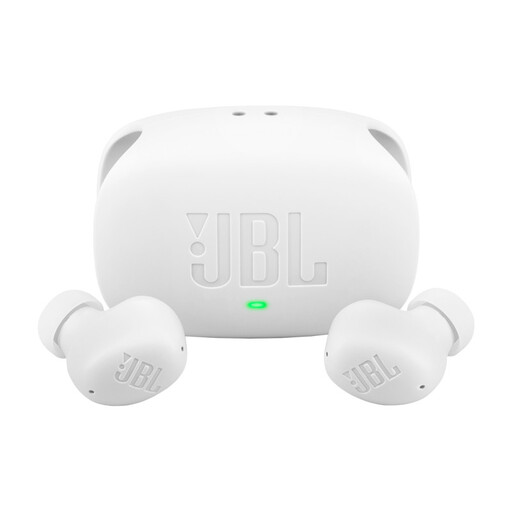 No image available
An option to compare if you want to follow quiet passages and be able to switch to ambient sound. Check which features and controls are included with this version.
 No image available
Wired earbuds for connecting to a tour source with a USB-C port; check in advance whether the source supports USB-C audio.
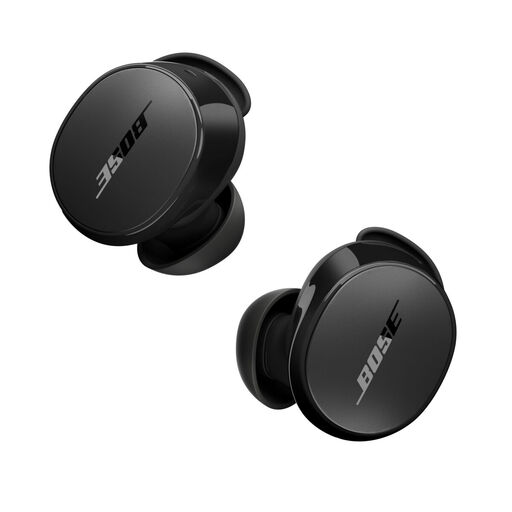 No image available
Worth considering if you’re weighing up noise cancellation against staying aware of your surroundings. Check which settings and controls are available with this version.
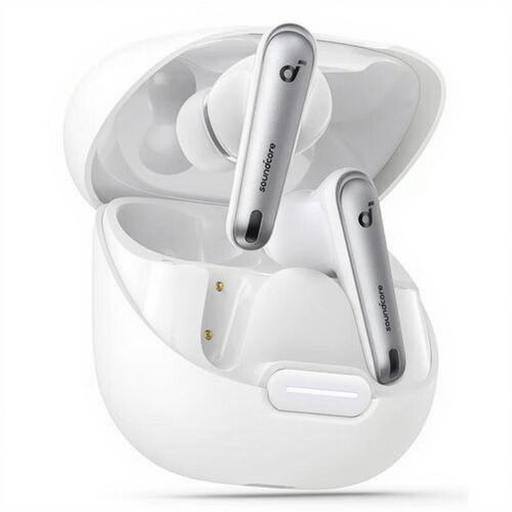 No image available
An option to consider if you’re looking for an in-ear fit. Check which ear tip sizes come with this version and which feels most comfortable.
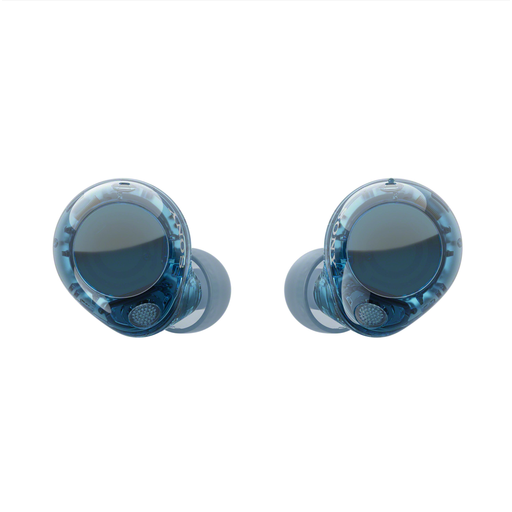 No image available
Consider this model if you’re weighing up noise cancellation and ambient sound. Sony describes the WF-C710N as having a fit check and Ambient Sound settings; according to Sony, some app features require an account.
No. Check the specific tour and audio source. The Rijksmuseum describes tours in its own app and recommends bringing headphones; the Van Gogh Museum says visitors collect a booked audio tour from the desk. If you’re using a museum device, ask which connector or pairing options it supports.
Sony describes the WF-C710N as having a fit check and Ambient Sound settings in the Sound Connect app. Pair the earbuds with your own playback device and select your preferred mode; Sony says some app features require an account.
Not as a default solution. The World Health Organization recommends well-fitting noise-cancelling headphones to help reduce the need to turn up the volume in noisy environments.
For online purchases, you generally have a 14-day cooling-off period from delivery, but ACM ConsuWijzer lists an exception for unsealed hygiene products. You’re also entitled to a legal guarantee for as long as the product is expected to meet reasonable standards. Before opening the packaging, check whether the hygiene exception applies to your purchase.
According to the Dutch Authority for Digital Infrastructure, wireless earbuds placed on the market in the Netherlands as radio equipment must meet European requirements and carry the CE mark. Check the marking on the product itself; the model name alone doesn’t confirm compliance.