
Visitors who want to hear the commentary clearly
You’re listening to a tour while conversations around you threaten to drown out the narrator. You want to follow what’s being said without automatically turning up the volume.


Noise-isolating earbuds are a good choice when background noise drowns out the commentary; an open design is better if you want to stay aware of your surroundings, while wired earbuds are an option if your device supports the connection and you’d rather not charge them. First, check whether the museum offers the tour on your own phone. Then compare fit, controls and listening time per charge. For example, the Rijksmuseum recommends that visitors bring their own headphones.
You’re listening to a tour while conversations around you threaten to drown out the narrator. You want to follow what’s being said without automatically turning up the volume.
You’re exploring the museum with others or heading back to campus afterwards, and want to be able to respond easily to what’s going on around you.
You fit the tour in between other activities and care most about comfort, getting started quickly, connectivity and power.
Choose this option: if voices in a busy space make the commentary difficult to hear.
Bear in mind: the fit may feel less comfortable, and noise isolation reduces your awareness of your surroundings. An ambient mode doesn’t guarantee that you’ll hear every conversation or traffic noise.
Choose this option: if you want to respond easily to people around you during the tour.
Bear in mind: an open design does less to block out distracting noise, so check that you can follow the commentary where you’ll be using it.
Choose this option: if you want to listen for short periods without charging your earbuds and your device supports the plug.
Bear in mind: a cable can get in the way when you’re walking; USB-C alone doesn’t guarantee that every phone supports all the features.
First, decide whether clear speech, awareness of your surroundings or listening without charging matters most. If you’re considering a wired set, check that it’s compatible with your device too.
| Priority | What to look for | Who is this important for? |
|---|---|---|
| Hearing spoken audio clearly | Compare the fit, noise isolation and any noise-cancelling features. Also check whether you can pause quickly or switch to an ambient mode. | If conversations drown out the narrator, you’ll want to follow the tour without immediately turning up the volume. Around 36% of consumers put clear speech first. |
| Awareness of your surroundings | Compare an open design with an easily accessible ambient mode, and check whether pausing is straightforward. | If you’re walking with others, you’ll want to respond without having to keep taking your earbuds out. Around 29% of consumers prioritise awareness of their surroundings. |
| Fit while walking | Check the available tip sizes or fit supports, and, if possible, try walking normally to see whether the earbuds stay in place. | If earbuds feel uncomfortable during a short tour, listening can quickly become a nuisance. Comfort is the top priority for around 21% of consumers. |
| Listening without a charging break | Compare listening time per charge with the quoted time including the case. For wired models, check the plug and device requirements. | For a short visit between lectures, you’ll want to listen when you need to, without a flat battery or an incompatible connection. Around 14% of consumers prioritise being able to use their earbuds straight away. |
The quoted time including the charging case isn’t the same as the time you can use the earbuds continuously. You can’t wear them while they’re charging in the case.
Compare listening time per charge, ideally with the features you plan to use switched on.
Allow for a charging break when the earbuds themselves run out of power.
Noise isolation and cancellation can help with distracting sounds, but staying in touch with other people or hearing traffic may call for a different choice or setting.
Compare an open design with a noise-isolating model whose ambient mode you can switch on quickly. If needed, turn off the audio while you’re on the move.
Apple lists specific device and system requirements for its EarPods with USB-C.
Before buying, check the connection and compatibility information for both the earbuds and your playback device.
Sony offers both the noise-isolating WF-C710N earbuds and the open LinkBuds Open for anyone who wants to stay aware of their surroundings.
The Tune Buds 2 are noise-isolating wireless earbuds to compare if you’re looking for noise cancelling and an adjustable ambient mode.
EarPods with USB-C are a wired option if your playback device meets Apple’s connection and system requirements.
The Liberty 4 NC is another noise-isolating wireless range to compare if you’re considering ANC, multipoint and charging.
These Joybuy picks are wireless earbuds for anyone who wants to listen to a tour without a cable connecting them to their playback device.
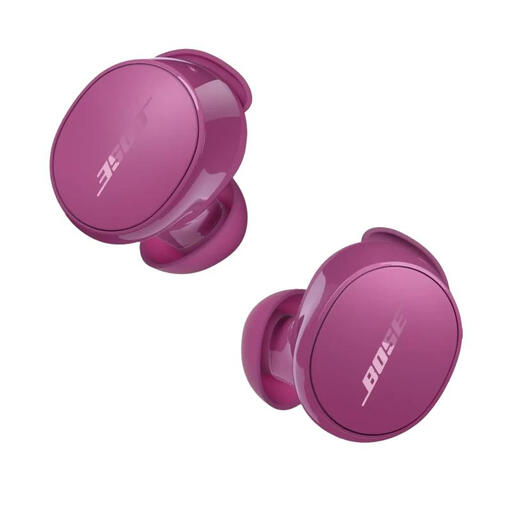 No image available
A wireless in-ear option to compare if you’re looking for a noise-isolating design for a spoken tour.
 No image available
A wireless in-ear option to compare if you want to reduce background noise during a tour.
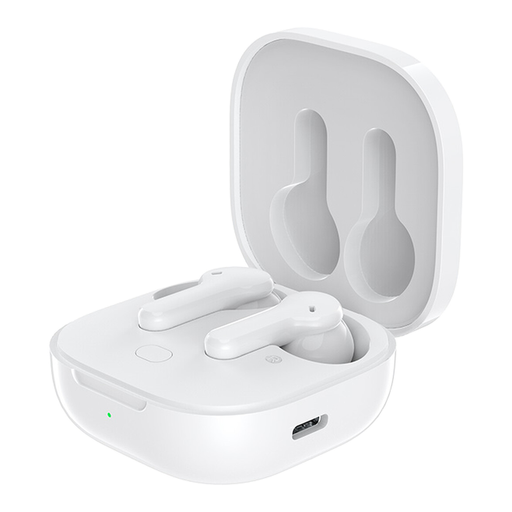 No image available
Wireless earbuds to take with you if you want to listen to a short audio tour between other activities.
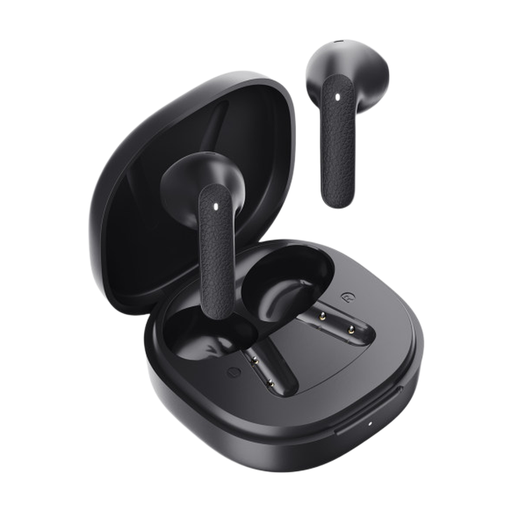 No image available
A wireless in-ear option to compare for a short listening session between lectures.
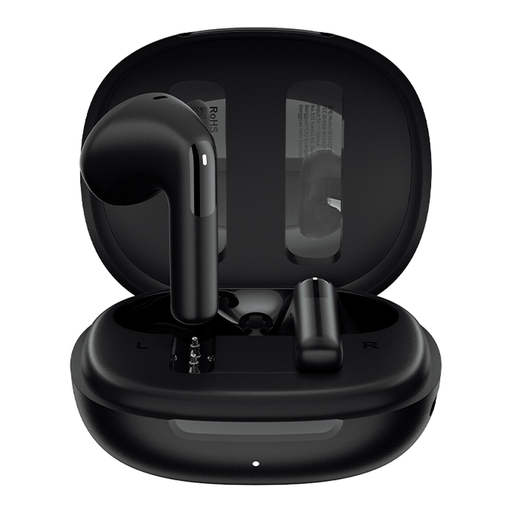 No image available
Wireless earbuds to compare if you don’t want to use a cable during a short tour.
Not necessarily; the setup varies from one museum and tour to another. The Rijksmuseum offers tours through its app and recommends bringing headphones. Check with the museum whether you can play the audio on your own phone or whether you’ll be given a separate device.
First, check that your earbuds fit properly and reduce distracting background noise where possible, rather than immediately turning up the volume. The World Health Organization lists well-fitting noise-cancelling earbuds as a useful option in noisy situations.
Compare listening time per charge separately from the quoted time including the charging case. The Consumers’ Association (Consumentenbond) points out that small batteries hold less charge over time and usually can’t be replaced; put your earbuds back in their case after use.
When you buy online from a business, you’ll generally have a 14-day cooling-off period. Before ordering, check the seller’s information about the product and returns. If a product is faulty, contact the seller. The Dutch Government explains that the Netherlands doesn’t have a fixed statutory two-year warranty period for this.
According to the Dutch Government, you can listen to music hands-free while driving, but you mustn’t hold a mobile device. The government advises keeping the volume low or using one earbud so you can still hear what’s around you.