
Vandaag of morgen in huis

Kwaliteit gegarandeerd

Welkomstaanbiedingen ontgrendelen: GRATIS bezorging | Tot 80% korting | Gratis 30 dagen JoyPlus-proefperiode
Download de app
A tub of cheerful gummies may seem like an easy choice, but multivitamins for children vary considerably in recommended age, formulation and dosage. A product that suits a 6-year-old is not automatically suitable for a toddler. Sugar, sweeteners, allergens and unclear combinations with other supplements can also lead to surprises.
As a Joybuy Product Recommendation Officer, I therefore focus primarily on verifiable information on the label: age, daily amount, format, ingredients and nutritional values. This allows you to compare children’s vitamins, kids’ multivitamins and individual supplements without being swayed by the packaging or flavour alone.
Gummies are easy to chew and often have a fruity flavour. This makes them easier to take, but some varieties contain sugar, glucose syrup or gelatine. Other products are sugar-free but use sweeteners such as sorbitol, xylitol or maltitol. A high intake of polyols may have a laxative effect, according to the product label.
Always check:
The need for vitamin D depends partly on age, skin type and exposure to sunlight. According to advice from the Dutch Health Council, children aged 0 to 4 need an additional 10 micrograms of vitamin D daily. This advice may also apply to older children who spend little time outdoors or have dark skin.
So don’t just look for the word “multi”. Check the amount of vitamin D for children per daily serving and include other supplements in your calculation. This helps prevent you from unknowingly combining several products containing the same vitamin.
A long ingredients list may seem appealing, but not every child needs the same combination. Iron, iodine, magnesium or omega 3 may be included in a formula, but the amount and age limit remain important. If your child takes medication, has a medical condition or you are concerned about a deficiency, it is sensible to consult your GP or pharmacist.
Age is the first filter. A multivitamin for children aged 3 should explicitly state that it is suitable from the age of 3. Liquid versions, drops and melt-in-the-mouth tablets are also available for toddlers and preschool children. Bear in mind that some packaging gives an age range of 3 to 12 years, while the dosage may vary within that group.
Never exceed the recommended daily amount. With gummies and chewable tablets, adult supervision is advisable because they can look like sweets.
Compare nutrients per recommended daily dose, not just per tablet. For example, a product may contain 5 micrograms of vitamin D per tablet but recommend taking 2 tablets per day. Also look out for:
Brands’ claims about immunity, energy or concentration should be read as information about the role of the nutrients present, not as a guarantee of an individual effect. According to the manufacturer’s product information, certain vitamins and minerals may contribute to specific normal bodily functions.
The practical format often determines whether taking a supplement every day works:
Also check for gluten, lactose, traces of milk, gelatine and colourings. “Sugar-free children’s vitamins” may still contain sweeteners. A product without artificial colourings or flavourings may be an important choice for some families, but always check the current product packaging.
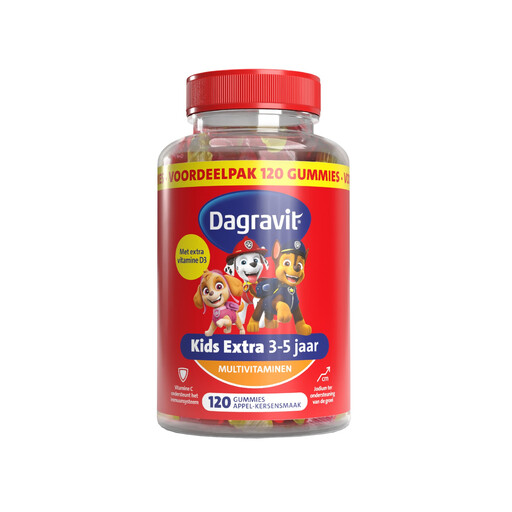
Why it suits this profile: This variety is intended for children aged 3 to 5 and has a daily dosage of 1–2 gummies. The apple and cherry flavour may make it easier to take.
The age range and dosage are clearly stated. According to the product description, the formula contains 10 micrograms of vitamin D per 2 gummies and no artificial colourings or flavourings.
120 gummies, vitamin C, vitamin D, zinc and iodine; suitable from the age of 3.
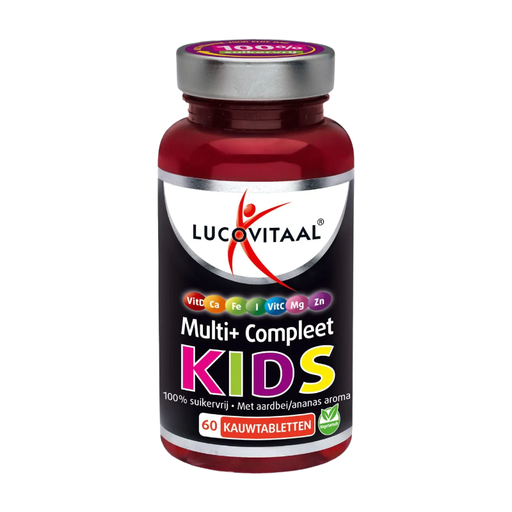
Why it suits this profile: For families looking for several nutrients in a single chewable tablet. According to the manufacturer, the product is intended for children aged 3 to 12.
The specifications explicitly state that it is 100% sugar-free and contains no artificial flavourings or colourings. However, check which sweeteners are present and follow the advice on the label.
Chewable tablet with a strawberry and pineapple flavour; contains vitamin D, C, iron, iodine, calcium and magnesium, among others.
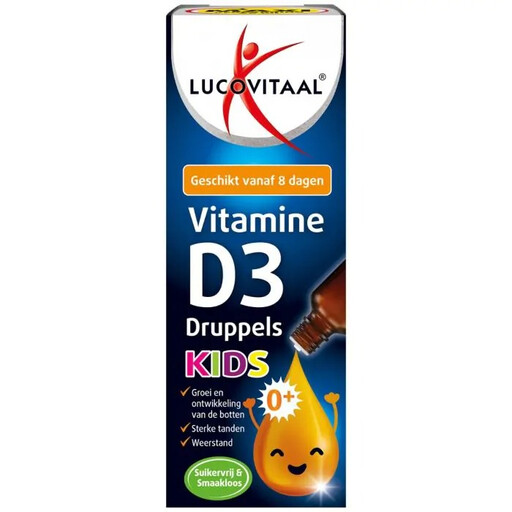
Why it suits this profile: A targeted choice for parents who do not want a broad multivitamin but prefer to administer vitamin D separately from a young age.
The composition is straightforward: sunflower oil and vitamin D3. The product information states 6 drops once a day and use from 8 days after birth.
50 ml dropper bottle; short ingredients list; suitable when chewing or swallowing is not yet practical.
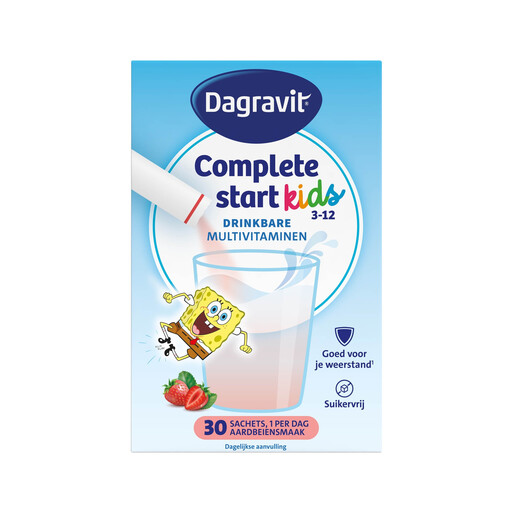
Why it suits this profile: The sachets are intended for children aged 3 to 12 and are dissolved in 200 ml of water. This works well as part of a regular morning routine.
The format avoids the hassle of chewable tablets. According to the product description, the formula is free from sugar, lactose and gluten; always check the packaging for allergens.
30 sachets; strawberry flavour; according to the label, contains vitamin D3, C, B vitamins, calcium and zinc, among others.
We have put together a complete, up-to-date list of products that fully meet these strict selection criteria and the applicable European safety regulations.
This varies by product. There are drops for use from a young age, liquid varieties from 1 year and gummies or chewable tablets from 3 or 5 years. Always follow the age limit and dosage stated on the label.
For older children, gummies and chewable tablets may be easier to take, while drops are suitable when chewing is not yet possible. Pay particular attention to the daily amount, sugar or sweeteners and whether the dosage can be administered accurately.
This depends on the amount of vitamin D in the multivitamin and the individual advice you have been given. Check the total daily intake before combining products. If you are unsure about vitamin D, medication or a medical condition, consult your GP or pharmacist.
