
Vandaag of morgen in huis

Kwaliteit gegarandeerd

Welkomstaanbiedingen ontgrendelen: GRATIS bezorging | Tot 80% korting | Gratis 30 dagen JoyPlus-proefperiode
Download de app
Choosing the right multivitamins may seem straightforward, but products vary considerably in recommended age, dosage, ingredients and format. Bright packaging or the phrase “high strength” does not automatically mean a product is right for your family.
For parents, age is particularly important. A product for children aged 3 to 12 is not intended for a toddler aged 1 or 2. For adults, personal preferences, diet and desired dosage also play a role. In this guide, we explain what to look for before buying children’s vitamins, vitamin gummies or multivitamins for adults.
Children do not have the same recommended amounts as adults. Always check the age range on the label and the recommended daily dosage. For children aged 1 to 3, for example, there are liquid vitamins or melt-in-the-mouth tablets with a specially adapted formula. Products for children aged 3 and over are not automatically suitable for younger children.
Combining a multivitamin with separate vitamin D, an immune-support supplement or a second vitamin product can lead to unnecessary accumulation. Check the full ingredient list and do not exceed the recommended daily amount. If you take medication, have a medical condition, are pregnant or are unsure, it is sensible to consult a doctor or pharmacist.
Vitamin gummies and chewable vitamins are easy to take, but they may taste so appealing that children want to have more. Some gummies contain sugar or sweeteners such as sorbitol, xylitol or maltitol. According to the product information, excessive consumption may have a laxative effect. Always keep supplements out of the reach of young children.
Start by checking three points:
For children who struggle to swallow, chewable vitamins, gummies or liquid multivitamins can be practical options. For young children, an accurate measuring cap is more important than a large tub containing lots of pieces.
Many products for children contain vitamin D. According to the product information, vitamin D supports the normal growth and development of bones in children. In particular, check how many micrograms are provided per daily dose and whether an additional vitamin D supplement is therefore still needed.
Other commonly included nutrients are vitamin C, B vitamins, iron, iodine and zinc. The exact amount varies from product to product. Davitamon Junior 3–12, for example, contains several vitamins and minerals, including vitamin D3, vitamin C, iron, iodine and zinc. Lucovitaal Multi Complete Kids also contains a broad range of vitamins and minerals and, according to the product description, is intended for children aged 3 to 12.
Check whether a product contains gelatine, milk ingredients, gluten, sugar or sweeteners. Not every gummy is suitable for vegetarians or vegans. Some Dagravit gummies, for example, contain pork gelatine, while certain Davitamon gummies contain beef gelatine. The product information for Davitamon Brain Gummies also lists milk as an allergen.
Do not assess claims about effects separately from the label. When a brand states that an ingredient supports a particular function, this refers to information from the product description or permitted nutrition claims. Do not regard this as a medical promise or a substitute for a varied diet.
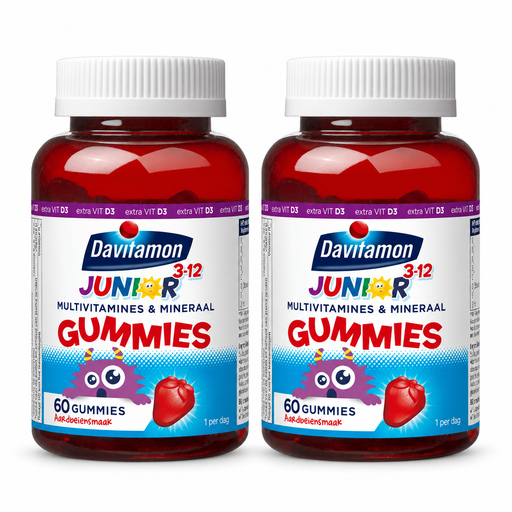
Why it suits this profile: A simple choice for parents looking for one gummy a day for children aged 3 to 12, supplied in two tubs of 60.
The age range, dosage and contents are clearly stated: one gummy a day, suitable from the age of 3. This makes accidental combining or overconsumption less likely.
120 gummies in total, strawberry flavour, vitamin D3, vitamin C and zinc. According to the product information, the formula is gluten- and lactose-free.
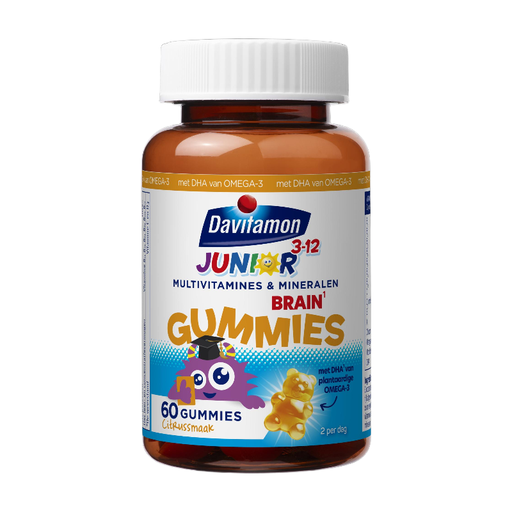
Why it suits this profile: Ideal for parents who want to consider not only vitamins but also the presence of algae-derived DHA and a gelatine-free formula.
The formula states the amounts of vitamins and DHA per two gummies. This allows you to compare the ingredients carefully instead of relying solely on the packaging.
According to the product information, it contains 13 vitamins and minerals, vitamin D3 and algae-derived DHA. The gummies are intended for children aged 3 to 12.
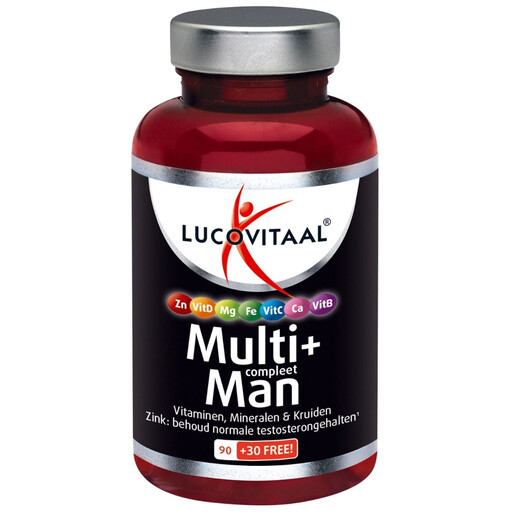
Why it suits this profile: Designed for adult men looking for a supply of 120 tablets and a formula containing vitamins, minerals and zinc.
Follow the target group and recommended amount stated on the label. The tub contains 120 tablets, and the product description mentions zinc, magnesium and vitamins A, B, C, D, E and K.
A large pack for everyday use. According to Lucovitaal’s own product information, the formula is specifically tailored to men.
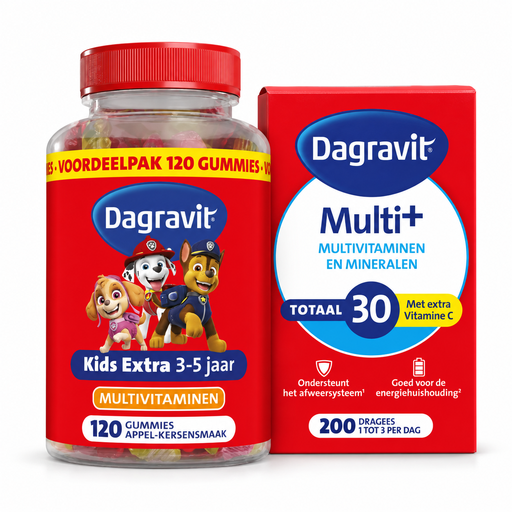
Why it suits this profile: Convenient for households with adults and children of different ages who need separate dosages.
The bundle contains separate products for adults and children aged 3–5. The dosage for each product is listed separately, so there is no need to confuse them.
320 pieces in total: 120 Kids-Xtra gummies and 200 tablets for adults. If dietary preferences are important, check the gelatine and beeswax ingredients.
We have compiled a complete, up-to-date list of products that fully meet these strict selection criteria and the applicable European safety regulations.
A supplement is not a substitute for a varied diet. Whether multivitamins are suitable depends on age, diet and personal circumstances. Check the recommendations on the label and, if in doubt, ask a doctor or pharmacist for advice.
Only choose a product that clearly states it is suitable for this age group. The range includes Davitamon Multi Vitamins and Minerals Junior 1–3 melt-in-the-mouth tablets and Davitamon Junior 1–3 Liquid Vitamins. With liquid vitamins, pay close attention to the measured dosage and storage instructions after opening.
Check the best-before date on the packaging and follow the storage instructions. Many products should be stored in a dry, dark place at room temperature. Some liquid products need to be refrigerated after opening and used within a specified period. Close tubs securely and keep them out of the reach of children.
