
Vandaag of morgen in huis

Kwaliteit gegarandeerd

Welkomstaanbiedingen ontgrendelen: GRATIS bezorging | Tot 80% korting | Gratis 30 dagen JoyPlus-proefperiode
Download de app
Choosing a tub of multivitamins may seem straightforward. However, products can vary considerably in terms of ingredients, dosage, age guidance and format. A cheaper pack may be less suitable if you want to support a specific stage of life, dietary choice or age group. Similarly, a product with notably high dosages will not automatically match your daily needs.
As a Joybuy Product Recommendation Officer, I filter product information using verifiable criteria. This helps you see more quickly which multivitamins suit your circumstances and which marketing claims should be treated with a degree of caution.
A pack containing 180 tablets may seem like good value, but first check the daily dosage. With some products, you take one tablet a day, while an effervescent tablet for adults may need to be taken twice daily, for example. So calculate the cost per day, not just the price per pack.
More is not always necessary. Look at the amount of each nutrient and the reference intake (RI). Also consider combinations with other supplements. For example, anyone already taking separate vitamin D, vitamin C, magnesium, calcium or zinc supplements may unknowingly be combining several sources.
According to the product information for Davitamon Vitamin C + Extra D3, Zinc & Selenium, one effervescent tablet already contains 600 mg of vitamin C, alongside 5 micrograms of vitamin D3, 10 mg of zinc and 55 micrograms of selenium. This may be practical if you are specifically looking for this combination, but do check what else you take during the day.
A brand may associate a product with energy, immunity, memory or hair. Assess this information based on the label and permitted nutrition claims, rather than simply relying on the front of the packaging. Information based on a brand’s own research or on the product description does not necessarily mean that an effect is guaranteed for every user.
A food supplement is not a substitute for a varied diet or healthy lifestyle. If you take medicines, have a medical condition, are pregnant or breastfeeding, it is sensible to consult a doctor or pharmacist.
The term multivitamins for adults says little about the exact formulation. Check whether the product is intended for:
For children, the age limit is important. For example, the Dagravit Family Multivitamin Bundle contains Kids-Xtra for children aged 3 to 5 and Totaal 30 for other age groups. These products have different dosages and cannot simply be substituted for one another.
Compare the amount per daily dosage. Pay particular attention to:
A multivitamin usually contains several substances at once. A separate magnesium or calcium product may make more sense when you only want to supplement one mineral. Body&Fit Calcium & Magnesium, for example, lists 197 mg of calcium and 150 mg of magnesium per tablet and is intended for adults.
Choose a format you can stick to every day:
When choosing vegan multivitamins, check that the excipients, glazing agents and absence of gelatine also match your preferences. “Sugar-free vitamins” may still contain sweeteners. According to the product information, Lucovitaal chewable tablets for children are 100% sugar-free, but contain sorbitol and xylitol, among other ingredients. Excessive consumption may therefore have a laxative effect.
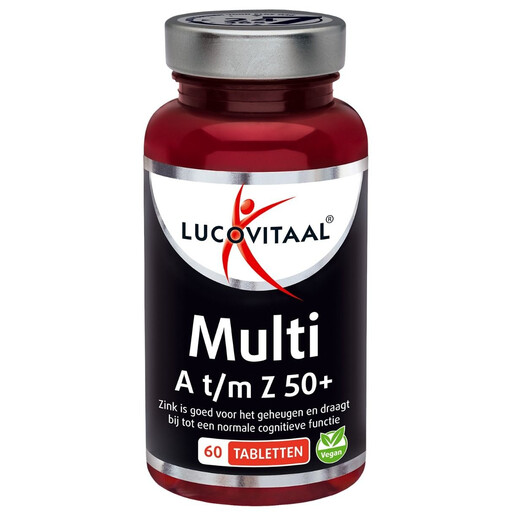
Why it suits this profile: A straightforward choice for men and women aged 50 and over who want to take one tablet a day.
The age variant and daily dosage are clearly stated. This means you are not comparing products solely by the number of 60 tablets.
According to the product information, it is vegan, requires one tablet a day and contains vitamin D3, calcium, magnesium and zinc, among other nutrients.
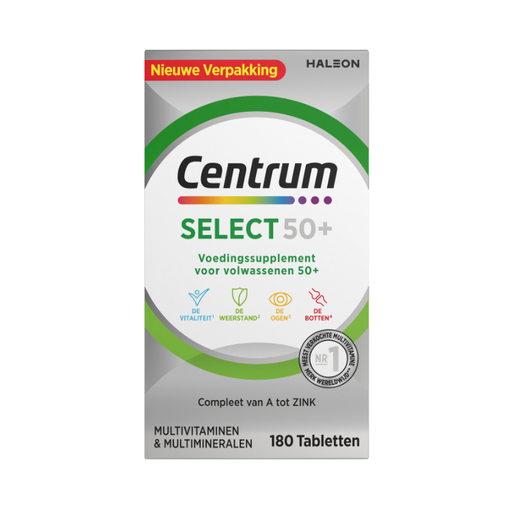
Why it suits this profile: Suitable for adults aged 50 and over who want a larger pack and a simple tablet format.
The target group, format and usage guidance are clearly specified. However, always check the current ingredients list on the label before buying.
180 tablets, one tablet a day and, according to the product information, free from gluten and lactose.
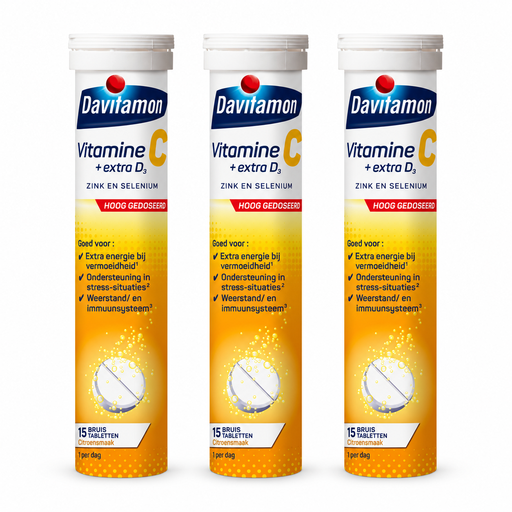
Why it suits this profile: For adults who want to combine vitamin C, vitamin D, zinc and selenium in an effervescent tablet.
The amounts per tablet are specified: 600 mg of vitamin C, 5 micrograms of vitamin D3, 10 mg of zinc and 55 micrograms of selenium.
According to the product information, sugar-free and free from preservatives, with a lemon flavour and 45 effervescent tablets.
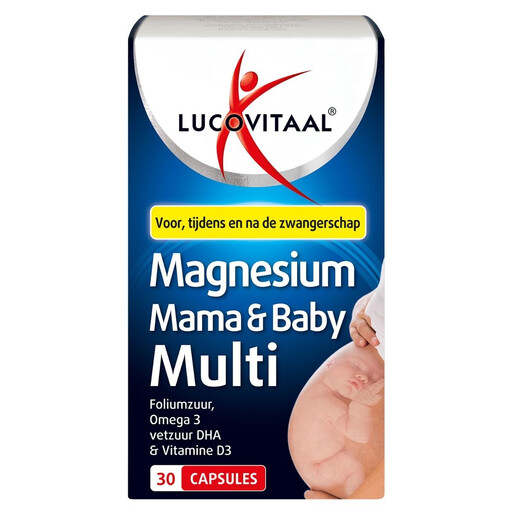
Why it suits this profile: Designed for women planning a pregnancy, during pregnancy or after pregnancy.
The stage of life is specifically stated, and the formula contains folic acid, vitamin D3, magnesium and DHA, among other nutrients. Check the full ingredients list before use.
30 capsules containing, according to the product information, 200 mg of DHA and 100 mg of EPA per daily formula.
We have put together a complete, up-to-date list of products that fully meet these strict selection criteria and the applicable European safety regulations.
Check the best-before date on the packaging and follow the storage instructions. Most products are best kept somewhere dry and dark at room temperature. Close the tub securely and keep supplements out of the reach of young children.
They can be. Formulas for women may focus more on folic acid or iron, for example, while products for men may contain different amounts of minerals. Always compare the nutritional information table. Gender alone is not a reason to choose a supplement without also considering your age, diet and other supplements.
This depends on age, dietary pattern and individual advice. Never give a child an adult product without checking the label and dosage. If you are unsure about children’s vitamins, pregnancy vitamins or long-term use, consult your child health clinic, GP or pharmacist.
