
Vandaag of morgen in huis

Kwaliteit gegarandeerd

Welkomstaanbiedingen ontgrendelen: GRATIS bezorging | Tot 80% korting | Gratis 30 dagen JoyPlus-proefperiode
Download de app
A pot of multivitamins might seem simple to choose. Yet products vary greatly in age recommendations, dosage, ingredients and format. A cheerful packet or the words “complete formula” alone say little about whether it’s right for your family.
With multivitamins for children especially, it’s easy to make the wrong purchase. A product might only be suitable from age 5 or 6, while a parent focuses on flavour or packaging. Similarly, with a multivitamin for adults, a high dosage isn’t automatically appropriate. So always use the label as your starting point, not just the front of the pack.
Children’s vitamins are usually tailored to a specific age group. A liquid product for ages 1 to 3 is not the same as vitamin gummies for children from age 5. Always check:
A product for children aged 3 to 12 is therefore not automatically suitable for a toddler. For children under 1 year old, different dietary advice applies.
Sugar-free children’s vitamins often contain sweeteners such as sorbitol, xylitol or maltitol. The product information may state that excessive consumption can have a laxative effect. Gummies with sugar or glucose syrup, on the other hand, require extra attention to oral hygiene.
So look at the full ingredients list. Also check for gelatine, milk derivatives, gluten, iodine and other allergens. A product can be vegetarian without being vegan, for example due to beeswax or other additives.
If you combine several supplements, you may end up taking the same vitamins or minerals twice. This can happen, for example, when a child takes both children’s vitamins and separate vitamin D for children. So check the total daily intake and follow the instructions on the packaging.
If you are taking medication, have a medical condition, are pregnant or are in any doubt, it is wise to consult a doctor or pharmacist. Food supplements do not replace a varied diet and a healthy lifestyle.
The age category is the first filter. For children aged 1 to 3, liquid vitamins or melt-in-the-mouth tablets are practical when chewing is still difficult. From age 3, chewable multivitamin tablets and gummies are often easier to incorporate.
Pay attention to the difference between a recommended dose and a maximum dose. For example, Dagravit Kids-Xtra 3–5 Years states 1 to 2 gummies per day for children from age 3. Dagravit Kids-Xtra 6–12 Years also uses 1 to 2 gummies, but is intended for an older age group.
Don’t just compare the number of vitamins, but also the amounts per daily dose. Several products contain 10 micrograms of vitamin D. According to the product information, vitamin D contributes to the normal growth and development of bones in children. This is a permitted nutritional claim about the role of the nutrient, not a guarantee that a supplement prevents a condition.
For adults, the formulas vary more. A multivitamin for men may, for example, contain extra zinc, selenium or magnesium. A multivitamin for women may instead list a higher amount of folic acid. If you are planning a pregnancy, always check whether the product is suitable for that; a general multivitamin is not automatically a pregnancy formula.
The right format partly determines whether daily use is achievable:
If you want to eat vegan, you need to pay extra attention to gelatine, beeswax, shellac and ingredients of animal origin. The Lucovitaal product for men aged 50 and over is described as vegan in the product information. Always check the current packaging before purchase, as formulations can change.
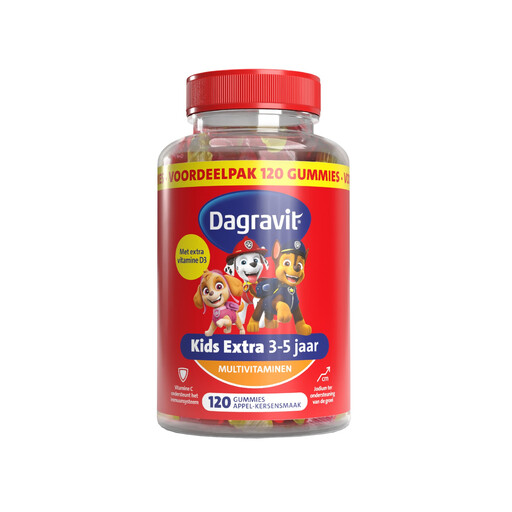
Why this fits the profile: The pack contains 120 gummies and is intended for children from age 3. The apple-cherry flavour and clear dosage make the switch to children’s vitamins straightforward.
The age, maximum dosage and composition are clearly stated. According to the product information, the product contains no artificial colours or flavours, but does contain pork gelatine and sugar.
10 micrograms of vitamin D per daily dose of 2 gummies; 120 pieces; apple-cherry flavour.
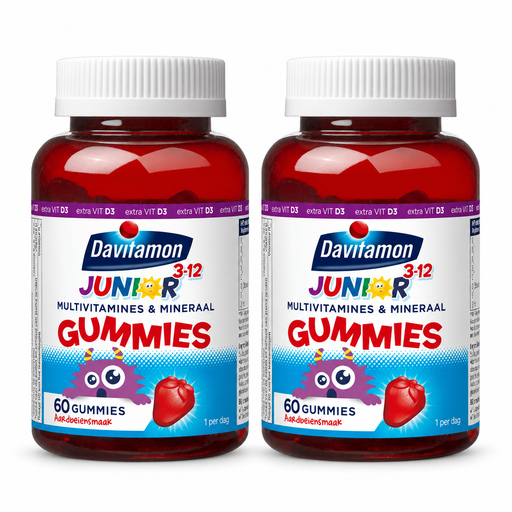
Why this fits the profile: The pack contains 120 gummies and suits families looking for a recognisable daily routine for children aged 3 to 12.
The recommended dosage is 1 gummy per day and the age limit is clearly stated. Note, however: the gummies contain sugar and beef gelatine.
Strawberry flavour; gluten- and lactose-free according to the product information; 10 micrograms of vitamin D per gummy.
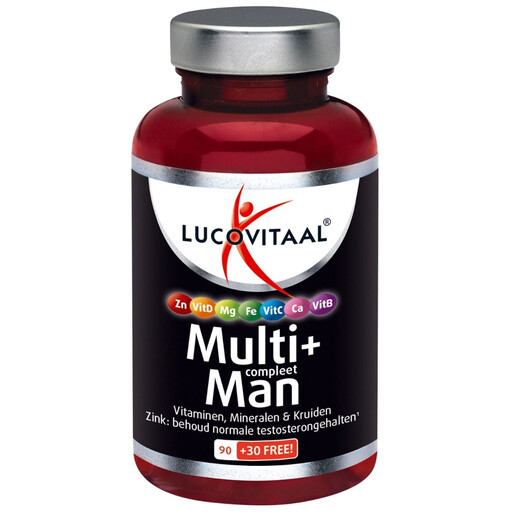
Why this fits the profile: This multivitamin for men is intended for adults and comes in a jar of 120 tablets. That suits users who prefer a fixed tablet per day.
The dosage is one tablet per day and the nutritional information lists the individual vitamins and minerals. Compare the high dosage with other supplements to avoid overlap.
120 tablets; vegan according to the product information; contains, among others, vitamin D3, vitamin C, zinc and calcium.
We’ve put together a full, up-to-date list of products that fully meet these strict selection criteria and comply with current European safety regulations.
That depends on age, dosage and composition. For ages 1 to 3, liquid vitamins, such as Davitamon Junior 1–3 Liquid Vitamins, are practical. From age 3, gummies and chewable tablets are available. Always check the minimum age and do not exceed the recommended amount.
Check the expiry date and storage instructions on the label. After opening, a shorter usage period may apply. Some liquid products need to be refrigerated after opening and used within a certain period. Store gummies and tablets in a dry, sealed container, out of the reach of young children.
Some formulas differ in dosage or added nutrients. Lucovitaal, for example, offers separate variants for men and women, while Dagravit Totaal 30 is offered for several age groups. Compare the ingredients and choose based on age, diet and personal circumstances, not just the name on the packaging.
