
Vandaag of morgen in huis

Kwaliteit gegarandeerd

Welkomstaanbiedingen ontgrendelen: GRATIS bezorging | Tot 80% korting | Gratis 30 dagen JoyPlus-proefperiode
Download de app
A child doesn’t eat the same thing every day. One day a plate of vegetables is cleared, the next day dinner might be mostly bread, fruit or a few bites. That’s why many parents look for multivitamins for children as a supplement to their normal diet.
However, not every product is automatically suitable. A cheerful packet, sweet taste or long list of ingredients says little about the right choice for your child. Pay particular attention to age, dosage, composition and the way your child takes the product.
Vitamin gummies for children look like sweets. This often makes them easy to take, but it also increases the risk that a child will want to eat more of them. Always check the recommended daily amount and store the product out of reach of young children.
A chewable tablet or drink powder can be more practical if you want clear control over the dosage. Supervision by an adult is advisable for young children.
A long list of vitamins and minerals does not automatically mean the product is suitable for your child’s age. Look at the amount per daily serving. On labels, percentages are often given relative to the reference intake for adults. Those percentages do not directly correspond to a child’s needs.
Also pay attention to combinations. If you already give a separate vitamin D supplement, you need to check how much vitamin D is already in the children’s multivitamin. This prevents you from unintentionally stacking multiple supplements.
Sugar-free children’s vitamins sometimes contain polyols such as sorbitol or xylitol, or sweeteners like sucralose. With excessive use, polyols can have a laxative effect. Gummy products, on the other hand, may contain sugar and glucose syrup. Therefore, look at the full ingredients list and not just the front of the packet.
First, choose a product that clearly matches your child’s age. For vitamins for children from 3 years old, a recommended amount per day is usually stated. This can range from one tablet or gummy to one sachet dissolved in water.
Also check:
A product for children aged 6 to 12 years is not automatically suitable for a 3-year-old. Always follow the label of the specific product.
Many multivitamins with minerals contain not only vitamin C and B vitamins, but also vitamin D, calcium, iron, zinc and iodine. Don’t just look at the number of nutrients, but also at the amounts.
Vitamin D deserves extra attention. According to the product information of various children’s vitamins, the Dutch Health Council advises a daily supplement of 10 micrograms for certain groups, for example children under 4 years old, children with little exposure to daylight, or children with a dark skin tone. Check current government information and discuss any doubts with your GP, pharmacist or child health clinic.
A separate product with vitamin D is different from a complete multivitamin. A product like Davitamon Vitamin D Children’s Melting Tablets contains only vitamin D3 according to the label and is therefore not a replacement for a complete children’s multivitamin.
The form of administration often determines whether a supplement is taken daily. Chewable tablets for children’s vitamins are handy for children who can chew well. Drinkable multivitamins for children are an option when swallowing or chewing is difficult. Gummies can be appealing because of their shape and taste, but they don’t always have the same composition as chewable tablets.
For allergies or intolerances, specifically check for:
“Gluten-free children’s vitamins” and lactose-free products can be suitable for certain preferences, but always check the current packaging. Product formulas can change.
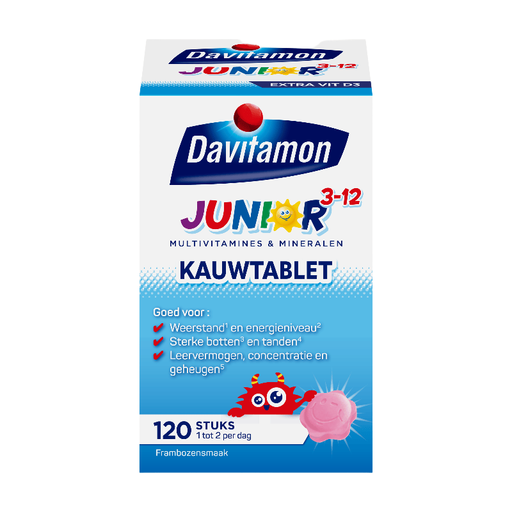
Why this fits the profile: A pack of 120 chewable tablets is practical for daily use. According to the product information, the raspberry flavour is intended for children from 3 years old.
The recommended dosage is stated as 1–2 chewable tablets per day. According to the label, the formula is described as sugar-, gluten- and lactose-free.
Chewable tablet with vitamins and minerals, including vitamin C, D3, iron and zinc. The content is clearly tailored to children from 3 years old.
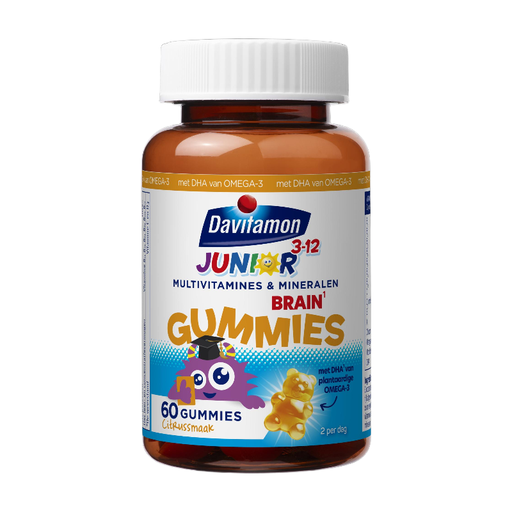
Why this fits the profile: Suitable for families looking for a gummy format and who pay extra attention to the stated nutrients and origin of ingredients.
The product information states 2 gummies per day, a clear age group of 3 to 12 years, and the presence of sugar and glucose syrup. So you know what you’re choosing.
Gummy with 13 vitamins and minerals plus DHA from algae according to the label. The gummies are gelatine-free and suitable for vegetarians, according to the product information.
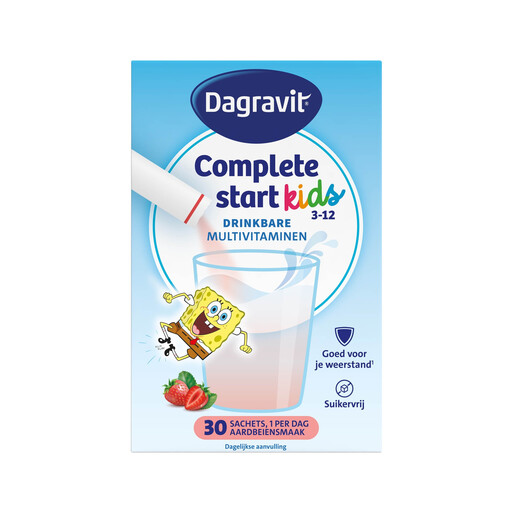
Why this fits the profile: A good practical match for children who don’t want to chew tablets. One sachet is dissolved in 200 ml of water.
The portion is packed per sachet. The product information also states that it is intended for children aged 3 to 12 years and is free from sugar, gluten and lactose.
Drinkable multivitamin with vitamin D3, calcium, magnesium, vitamin C and several B vitamins. Strawberry flavour and easy preparation.
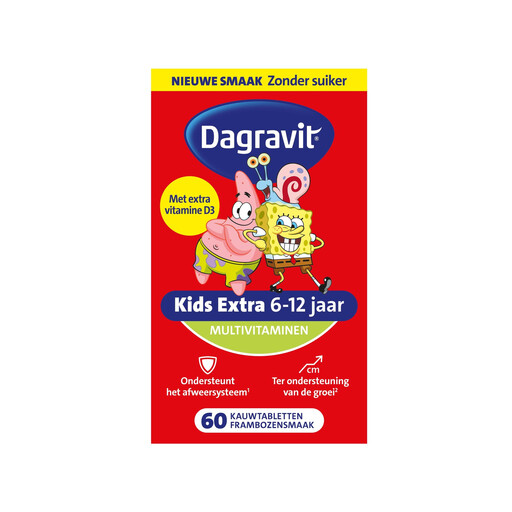
Why this fits the profile: Aimed at children aged 6 to 12 who prefer a raspberry-flavoured chewable tablet.
The age group is clearly stated. According to the label, the formula is sugar-, lactose- and gluten-free; the recommended amount is 1–2 tablets per day with a meal.
Contains, according to the product information, vitamins A, C, D, B vitamins, iron, iodine, magnesium, selenium and zinc, among others.
We have compiled a full, up-to-date list of products that fully meet these strict selection criteria and comply with current European safety regulations.
A food supplement does not replace a varied diet and a healthy lifestyle. Never give more than the recommended daily amount. Pay extra attention if your child is taking multiple supplements or medication. If you have a medical condition, allergy or any doubts about vitamin D, you can consult your GP, pharmacist or child health clinic.
Store the packaging in a dry, dark place at room temperature according to the label. Close a pot or bag tightly and keep the product out of reach of children. When making a new purchase, always check the ingredients, age indication and dosage again.
Not every child automatically needs a multivitamin. A supplement is intended as a supplement and not as a replacement for normal food. The need depends on factors such as age, eating pattern and specific circumstances. Separate advice applies for vitamin D for certain age and risk groups.
Choose the form that your child can use safely and consistently. Chewable tablets are practical and often sugar-free. Gummies are easy to chew, but can contain sugar and look like sweets. Drinkable multivitamins are suitable when chewing or swallowing is difficult, but they do require a glass, water and a fixed preparation step.
Use the product within the expiry date and follow the storage instructions on the packaging. After opening, an additional period may apply. Also look at the daily dosage: a pot of 60 gummies does not always last as long as 60 tablets, because the recommended amount per day can differ.
