
Vandaag of morgen in huis

Kwaliteit gegarandeerd

Welkomstaanbiedingen ontgrendelen: GRATIS bezorging | Tot 80% korting | Gratis 30 dagen JoyPlus-proefperiode
Download de app
Multivitamins may seem straightforward at first glance: choose a tub, follow the dosage and you’re done. Yet vitamins and minerals, age recommendations, dosages and forms vary considerably from one product to another. If you only look at the front of the packaging, you may end up buying a supplement that is not right for your circumstances.
The most common pitfalls:
Start with the target group. Are you looking for a multivitamin for adults, a formula for women, a supplement for men or multivitamins for children? Then check the recommended daily amount.
For children aged 1 to 3, for example, liquid formulas and melt-in-the-mouth tablets are available. For children aged 3 to 12, chewable tablets are an option. The dosage may also vary from one to two tablets per day. Always follow the product packaging and give children supplements under supervision.
The composition also varies by target group among adults. A multivitamin for women may contain iron, while a formula for men or active athletes may contain a different combination and dosage. More ingredients do not automatically mean that the product is better suited to you.
Check the amount of each nutrient and the percentage of RI, the reference intake for adults. Pay particular attention to vitamin D, vitamin A, iron, iodine, calcium and magnesium if you use multiple supplements.
For example, a product may contain 100% RI of many vitamins, but only 15 to 20% RI of calcium or magnesium. This is not an error, but it is important information when comparing products. Do not simply combine several products containing the same vitamins and minerals.
There is specific advice in the Netherlands regarding vitamin D for certain age groups and situations. A vitamin D supplement may be needed alongside a multivitamin, but check the total daily amount first. If you take medication, are pregnant or breastfeeding, or have a medical condition, it is advisable to consult a doctor or pharmacist.
Choose a format that you will actually use every day:
Also check sweeteners, allergens, gelatine and plant-based ingredients. “Sugar-free” does not mean that a product contains no sweeteners. Sorbitol, xylitol and mannitol may have a laxative effect when consumed in excess. If you are specifically looking for vegan multivitamins, check the product information, as the claim may differ between variants.
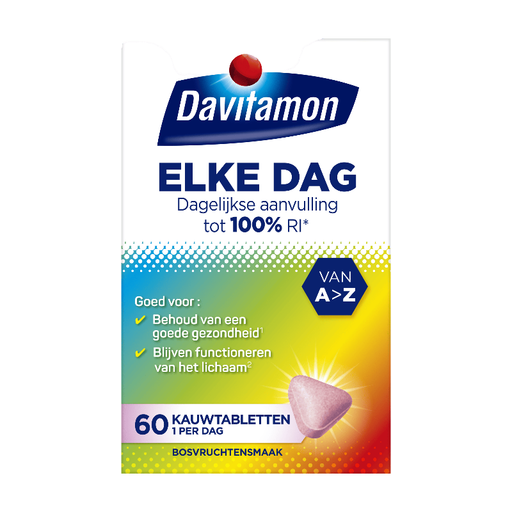
Why this suits the profile: A straightforward everyday choice for adults who want to take one chewable tablet a day without a complicated routine.
The packaging clearly states a daily dosage of one chewable tablet and identifies adults as the target group. This makes the composition easy to compare.
22 nutrients, one tablet per day, forest fruit flavour and, according to the product information, free from gluten, lactose and gelatine.
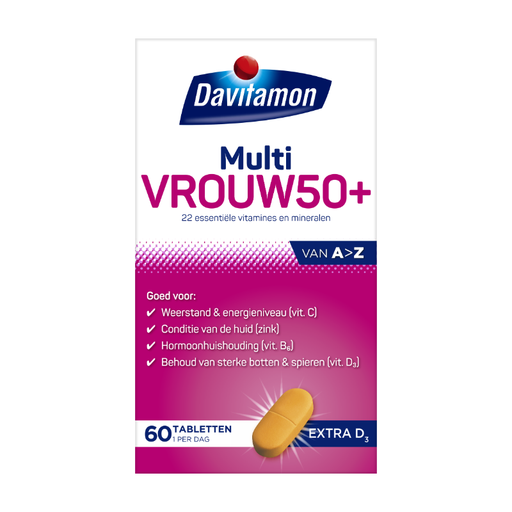
Why this suits the profile: Designed for women aged 50 and over who want a formula for their age group and one tablet per day.
The target age group and maximum dosage are clearly stated. Panax ginseng is also listed separately, so you can take this ingredient into account if you use medication.
Per tablet, the label lists 10 µg vitamin D3, 160 mg calcium, 75 mg magnesium and 100 mg Panax ginseng extract, among other ingredients.
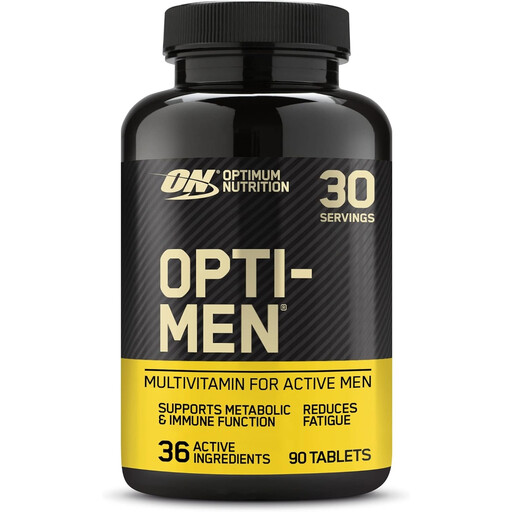
Why this suits the profile: Developed for adult men with an active lifestyle who are looking for a formula containing vitamins, minerals, amino acids and plant extracts.
The recommended amount is three tablets per day. This helps prevent you from buying a high-dose formula without taking the daily intake into account.
The product information lists more than 30 ingredients, including B vitamins, vitamin D, magnesium and amino acids. Please note: the composition includes soya and gluten.
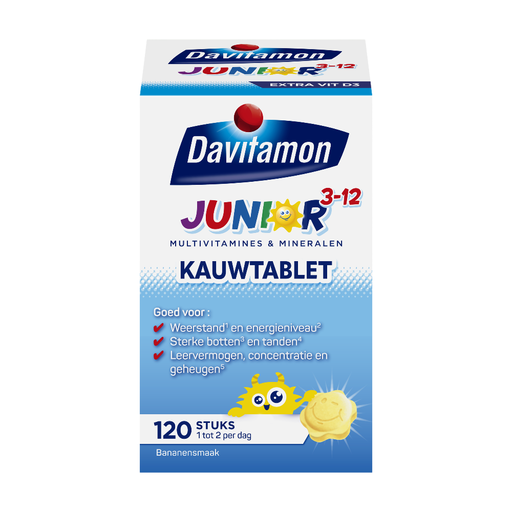
Why this suits the profile: A practical option for parents looking for children’s multivitamins for children aged 3 to 12.
The age limit, maximum dosage of two tablets and need for supervision are stated in the product information.
Banana-flavoured chewable tablets, 120 tablets and, according to the label, free from sugar, gluten and lactose.
We have put together a complete, up-to-date list of products that fully meet these strict selection criteria and the applicable European safety regulations.
Not everyone needs to take multivitamins every day. A varied diet remains the foundation. A supplement may be useful if you want to top up specific vitamins and minerals, or if a formula aimed at a particular age group or target audience suits your needs. Check the dosage and do not combine multiple supplements without a good reason.
Choose a product that clearly states the appropriate age. For children aged 1 to 3, for example, liquid vitamins or melt-in-the-mouth tablets are available. For children aged 3 to 12, chewable tablets are an option. Never give an adult multivitamin to a child without advice from a doctor or pharmacist.
Check the best-before date, recommended dosage and storage advice on the packaging. A tub containing 60 tablets, taken at one tablet per day, will last for approximately 60 days; at two or three tablets per day, it will run out sooner. Store supplements in a dry, dark place and keep them out of the reach of young children.
