
Vandaag of morgen in huis

Kwaliteit gegarandeerd

Welkomstaanbiedingen ontgrendelen: GRATIS bezorging | Tot 80% korting | Gratis 30 dagen JoyPlus-proefperiode
Download de app
Would you like to buy multivitamins, but can no longer see the difference between tablets, gummies, capsules and effervescent varieties? Packaging often promises “complete support”, while the practical differences mainly come down to dosage, age, stage of life, ingredients and ease of use.
A multivitamin is not a substitute for a varied diet. However, it can be suitable for a daily diet in which you want to supplement certain vitamins and minerals. The right choice therefore starts not with the largest number of ingredients, but with your own circumstances.
A product containing dozens of vitamins, minerals and plant extracts may seem appealing. However, it is important to check how much you actually consume per daily dose. Some formulas contain high percentages of the reference intake, while others mainly offer a broad, moderate composition.
Also look out for ingredients that may not be suitable for everyone, such as caffeine, herbal extracts, iron, iodine or sweeteners.
A general multivitamin can be practical, but age and stage of life may influence your choice. There are formulas for multivitamins for adults, as well as specific varieties such as a multivitamin for men, multivitamin for women, multivitamin 50+ or pregnancy vitamins.
So check the target group on the label first. A supplement for adults is not automatically suitable for children, pregnancy or breastfeeding.
A tablet that is difficult to swallow is soon forgotten. If you have trouble swallowing, you can choose liquid multivitamins, chewable tablets or multivitamin effervescent tablets. With an effervescent variety, check the sweeteners and allergens. For liquid products, the measuring cap, storage instructions and shelf life after opening are important.
Check how many tablets, capsules, gummies or millilitres the recommended daily dose contains. Then compare the amount per day, not just the contents of the packaging.
For example, a tub containing 120 tablets is not automatically better value if you need to take two capsules every day. Calculate:
The reference intake (RI) helps you compare nutritional values. A higher percentage does not automatically mean that the supplement is better suited to you.
There are general daily vitamins for adults, as well as specialised products. For example, a formula for over-50s may contain different amounts from a standard variety. For women who are trying to conceive, are pregnant or are breastfeeding, it is important to choose a product with an appropriate composition.
For example, Davitamon Mamafit Post-Pregnancy states a daily dose of one tablet and contains, among other things, folic acid, vitamin D and iron. According to the product information, this variety is suitable for use while breastfeeding. Always read the current packaging and consult a doctor or pharmacist if you take medication or have a medical condition.
If you follow a vegan diet, do not just look for the word “vegan”; check the full ingredients list as well. Gelatine, beeswax, shellac or fish oil may make a product unsuitable for vegans.
Also look out for:
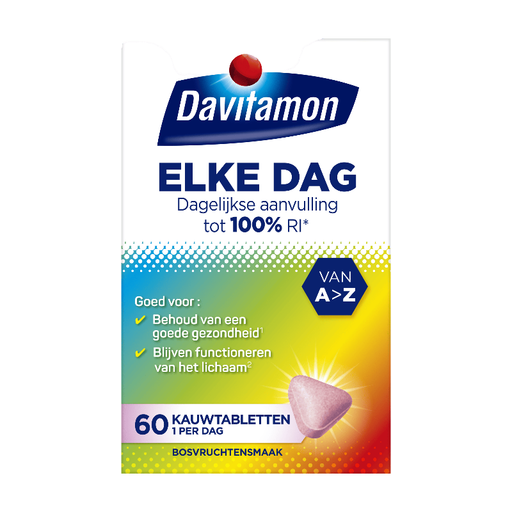
Why it suits this profile: A simple everyday choice for adults who prefer chewing to swallowing. The recommended dose is one chewable tablet per day.
The product information lists 22 nutrients and a clear daily dose. However, check the sweeteners and the current ingredients list.
Chewable format, one tablet per day and, according to the product description, free from gluten, lactose and gelatine.
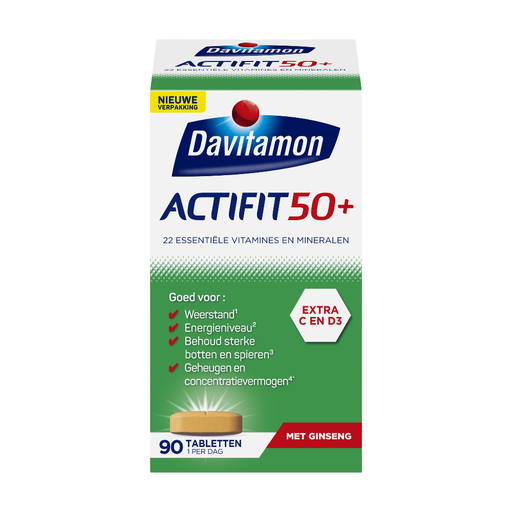
Why it suits this profile: Designed for adults aged 50 and over who are looking for a formula tailored to their age group.
The target group and daily dose of one tablet are clearly stated. According to the product information, consult a doctor or pharmacist beforehand if you take blood thinners or other medication.
Contains vitamin D, magnesium, zinc, selenium and Panax ginseng extract, among other ingredients; 90 tablets per pack.
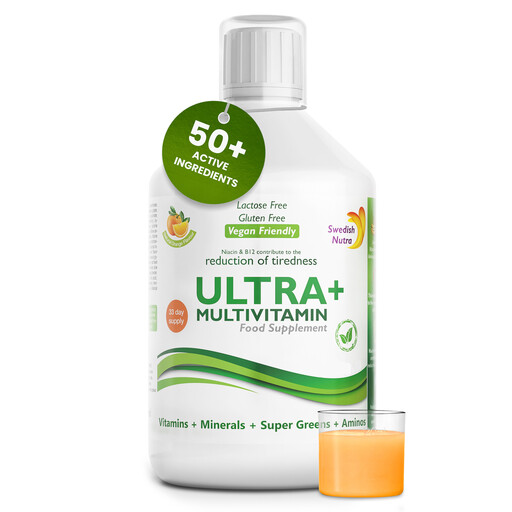
Why it suits this profile: For adults who want to combine a vegan, liquid format with an extensive composition, without having to swallow tablets.
The dosage is specific: 15 ml per day. However, note the stated 63 mg of caffeine per dose and store the product in the fridge after opening.
Vegan, liquid, 500 ml contents and, according to the product information, free from gluten and lactose. Not intended for children, pregnant women or breastfeeding women.
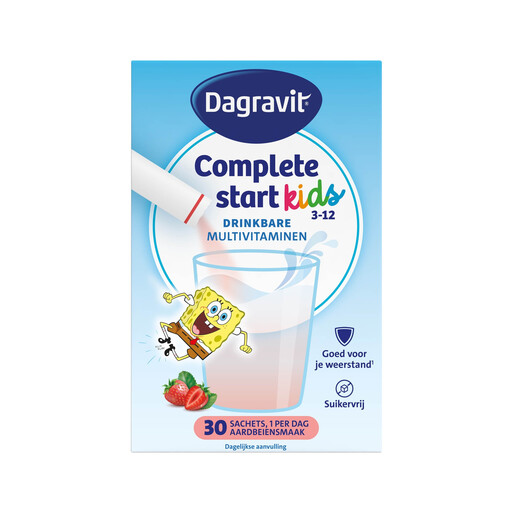
Why it suits this profile: For parents of children aged 3 to 12 who find a drinkable format more convenient than tablets.
The minimum age of 3 and preparation instructions using 200 ml of water are clearly stated. Do not use an adult formula as a children's product.
Strawberry flavour, drinkable sachets and, according to the product description, free from sugar, gluten and lactose.
We have compiled a complete, up-to-date list of products that fully meet these strict selection criteria and the applicable European safety regulations.
That depends on your age, diet, dietary requirements and preferred dosage format. A general formula may be suitable for everyday use, while a product for men, women or over-50s may be a better fit for a specific target group. Always compare the daily dose and warnings.
Not necessarily. Compare the price per daily serving, rather than just the selling price. A pack containing many tablets may work out more expensive if the recommended dose is several tablets a day. For liquid multivitamins, also check the shelf life after opening.
The recommended period of use is usually stated on the label or follows from the recommended dosage. Do not take more than the stated amount, and do not combine several supplements containing the same vitamins or minerals without careful consideration. If you are pregnant, breastfeeding, taking medication or have any doubts, it is advisable to seek advice from a doctor or pharmacist.
