
Vandaag of morgen in huis

Kwaliteit gegarandeerd

Welkomstaanbiedingen ontgrendelen: GRATIS bezorging | Tot 80% korting | Gratis 30 dagen JoyPlus-proefperiode
Download de app
The supplement aisle can be overwhelming. Dozens of bottles promise more energy, better immunity, or a complete addition to your diet. But how do you know if you're buying an effective product or just paying for clever marketing? As a Joybuy Product Recommendation Officer, I'm here to help you make the right choices based on facts, not hype. Let's navigate the most common pitfalls of buying a multivitamin.
Before you add a bottle to your cart, it's wise to understand where many people unnecessarily waste money.
To make an informed choice, you can focus on a few objective specifications on the label.
The Reference Intake (RI), formerly known as the Recommended Daily Allowance (RDA), indicates how much of a nutrient an average adult needs per day. A percentage of 100% RI means the product covers the full daily requirement. Pay close attention to this. A multivitamin might contain 100% RI for vitamin C but only 15% for zinc. Determine which nutrients are important for you, for instance, for boosting immunity or as supplements for energy, and check the dosage.
The needs of men and women differ. A multivitamin for men often contains different ratios than a multivitamin for women. For example, women typically have a higher need for iron, while supplements for men sometimes focus more on zinc and selenium. So, look for a formula that is tailored to your specific situation. During the dark winter months, a separate, higher dose of vitamin D can be a more meaningful supplement than a general multivitamin with a low dosage.
As mentioned earlier, bioavailability is crucial. This applies not only to magnesium but also to other minerals like zinc and iron. Organically bound forms (such as citrate, bisglycinate, picolinate) are generally better absorbed than inorganic forms (such as oxide, sulphate, carbonate). This information is often listed on the ingredients list and can justify the higher price of a product.
Based on formulation and target audience, we have highlighted a few popular choices that suit different needs.
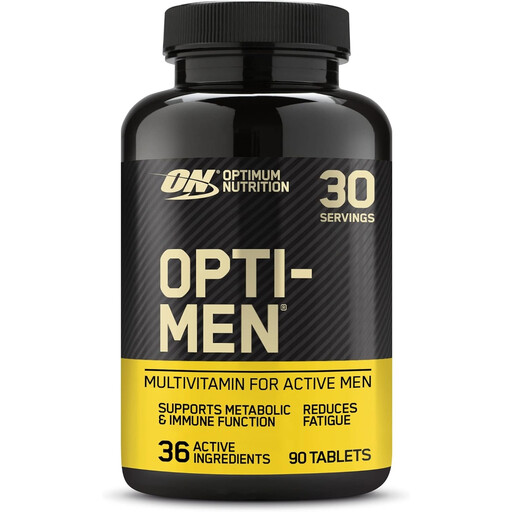
Why This Fits Their Persona: This formula is designed for men with an active lifestyle. It contains not only vitamins and minerals but also amino acids and plant extracts that cater to higher physical exertion.
Instead of a generic 'all-in-one' formula, this product specifically targets the needs of active men with higher doses of B-vitamins for energy metabolism.
Contains over 30 active ingredients, including B-vitamins, zinc, and amino acids. Vitamin C and selenium support the immune system.
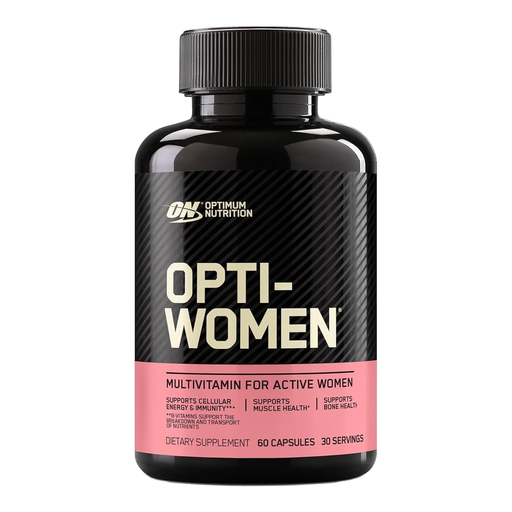
Why This Fits Their Persona: This multivitamin is formulated with the specific needs of active women in mind, with a focus on nutrients like iron and folic acid.
This product tackles the 'one-size-fits-all' trap by offering a formula tailored to female physiology, rather than a generic blend.
Rich in iron and folic acid (100% and 200% RI). Contains vitamin C and selenium to support the immune system and B-vitamins to combat fatigue.
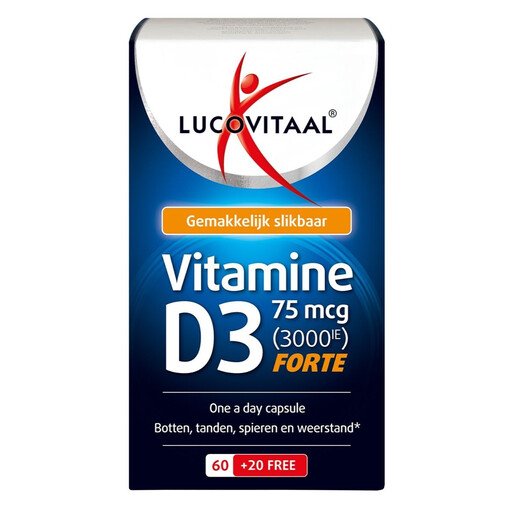
Why This Fits Their Persona: For those who specifically want to support their immune system, especially during the darker months. Vitamin D is essential due to limited sun exposure in many regions.
This is not a multivitamin, but a targeted solution. It avoids the pitfall of an 'all-in-one' product with a vitamin D dosage too low for a noticeable effect.
High, effective dose of 75 mcg of vitamin D3. Supports the immune system, calcium absorption, and is good for muscle function. One bottle contains 80 capsules.
A multivitamin is a personal choice. If the options above don't fully align with your needs, you can explore our wider range.
A multivitamin is not a quick energy boost. It's a supplement to support your nutritional status in the long term. Depending on your starting point, you may notice a difference after several weeks to months, for example, in your energy level or immunity. Consistency is key.
No, definitely not. For water-soluble vitamins (like C and B), you typically excrete any excess. For fat-soluble vitamins (A, D, E, and K), an intake that is too high can be harmful in the long run. Stick to the recommended dosage on the packaging, unless a doctor advises otherwise.
You can, but pay close attention to the labels to avoid exceeding the total intake of a specific vitamin or mineral. For example, if your multivitamin already contains 10 mcg of vitamin D and you also take a separate vitamin D supplement, add these dosages together to stay within safe limits. When in doubt, it is always wise to seek advice from a doctor or pharmacist.
