
Vandaag of morgen in huis

Kwaliteit gegarandeerd

Welkomstaanbiedingen ontgrendelen: GRATIS bezorging | Tot 80% korting | Gratis 30 dagen JoyPlus-proefperiode
Download de app
Choosing a multivitamin for women may seem straightforward: check the number of vitamins, compare the price and add a product to your basket. However, a long list of ingredients can be misleading. A formula containing dozens of substances is not automatically right for your age, lifestyle or diet.
As a Joybuy Product Recommendation Officer, I therefore focus mainly on verifiable information: the daily dosage, the amount of vitamins and minerals, the target group and any relevant warnings.
Some multivitamins contain plant extracts, amino acids and enzymes alongside the usual vitamins. That may sound comprehensive, but first check the amounts per daily serving. For some substances, no European reference value is provided, making comparisons more difficult.
Also check whether a product contains ingredients you do not need, such as caffeine, ginkgo, ginseng or green tea extract.
A tub containing 120 tablets may appear better value than a pack of 40 tablets. That is only true if the daily dosage is the same. Some products require one tablet a day, while others require two capsules or a 15 ml liquid serving.
So calculate the cost per day or per month. Also pay attention to the shelf life and storage instructions, particularly for liquid supplements.
The need for vitamins and minerals can vary depending on your circumstances. A 50+ multivitamin for women has a different formulation from a formula for active women or a supplement for after pregnancy. A product intended for use during the menopause may also contain plant extracts that require extra caution.
An iron supplement is not automatically suitable for everyone. Do you take medication, are you pregnant or are you breastfeeding? If so, discuss your choice with a doctor or pharmacist first.
Do not compare only the number of ingredients, but focus above all on the amount per recommended daily dosage. Look out for:
The percentages on the label are based on the European reference intake. They provide a practical basis for comparison, but do not mean that a higher value is automatically more suitable.
Tablets are compact and often easy to take with you. Capsules may be more comfortable if you find large tablets difficult to swallow. A liquid multivitamin, such as Swedish Nutra Ultra+, may be suitable if you do not want to take pills. According to the product information, the dosage is one 15 ml serving per day.
For liquids, check the storage instructions, sugar, sweeteners and shelf life after opening. According to the label, Swedish Nutra Ultra+ contains 63 mg of caffeine per serving, among other ingredients. The product is therefore not recommended for children, young people, pregnant women or breastfeeding women.
A vegan multivitamin for women can be a practical choice if you follow a plant-based diet. However, make sure you check the full ingredients list. A product may be vegan but still contain caffeine or several plant extracts.
Also look for information about gluten, lactose, gelatine and the recognised food allergens. Herbs such as ginkgo, ginseng, sage, maca or chasteberry may interact with medication. Product claims about botanical ingredients are not always approved health claims; when a brand mentions an effect, you should read this as information based on that brand’s product description, not as a guaranteed result.
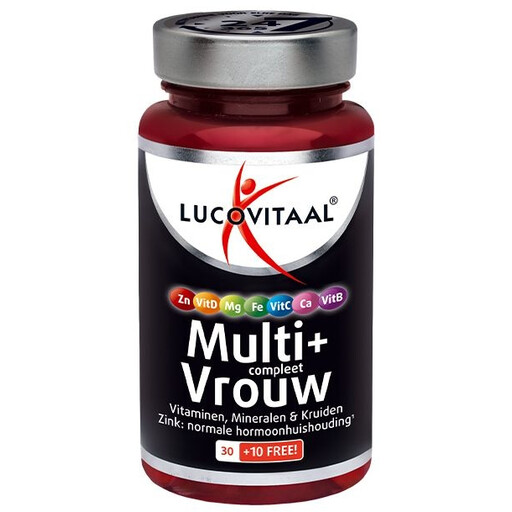
Why it suits this profile: A straightforward choice for adult women who want to start with one tablet a day and are looking for a compact pack.
The product page states a recommended intake of one tablet a day. However, check the current label before buying, as the available formulation information is limited.
40 tablets, one tablet a day and a formula for women.
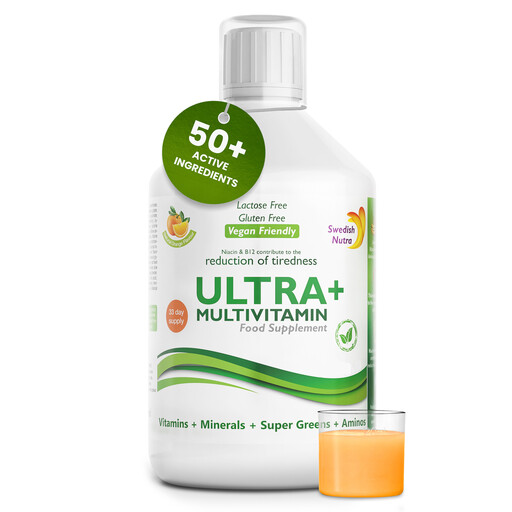
Why it suits this profile: Suitable for adults looking for a liquid, vegan formula without gluten or lactose.
The serving is clearly stated as 15 ml. However, check the caffeine content: according to the product information, one serving contains 63 mg.
500 ml, approximately 33 servings, vegan and containing vitamin D3, B vitamins and minerals.
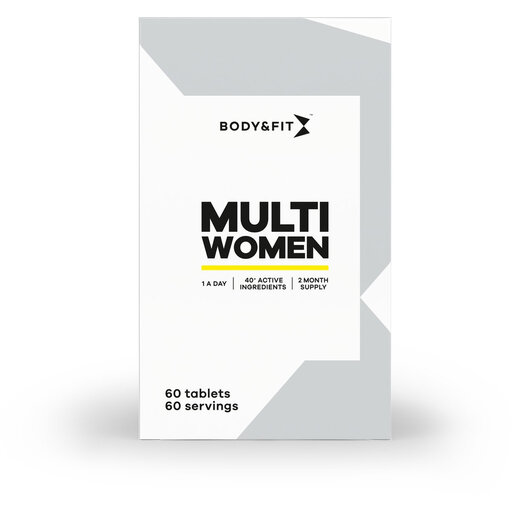
Why it suits this profile: Suits active women who want to combine one tablet a day with a broad mix of vitamins, minerals and plant extracts.
The formulation states the amount per tablet, including 14 mg of iron, 20 µg of vitamin D3 and 150 µg of iodine. This allows you to compare products with a specific purpose in mind.
60 tablets, one tablet a day, vegan according to the product information and containing iron, calcium, magnesium and zinc.
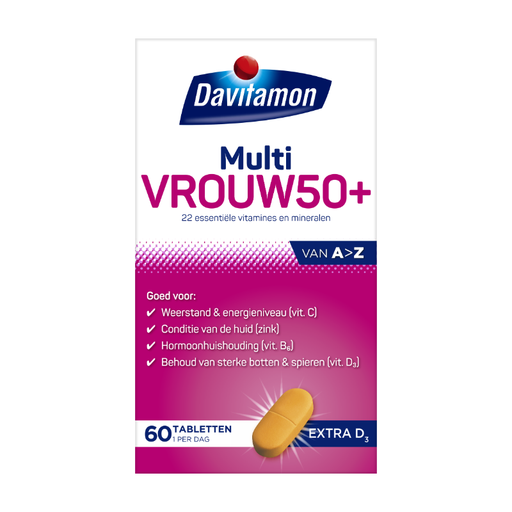
Why it suits this profile: The formula is aimed at women aged 50 and over and contains vitamin D, calcium, magnesium, iron and zinc, among other nutrients.
The target group and daily dosage of one tablet are clearly stated. It also contains Panax ginseng; if you take medication, consult a doctor or pharmacist beforehand.
60 tablets, one tablet a day and a formula for women aged 50 and over.
We have put together a complete, up-to-date list of products that fully meet these strict selection criteria and the applicable European safety requirements.
For the menopause, there are both standard multivitamins and specific formulas containing ingredients such as sage, maca or Cimicifuga. Always check the warnings. According to the product information from various brands, some claims relating to herbs are still under assessment under European regulations. Do not use such products as a substitute for medical advice.
After pregnancy, there are formulas containing iron, folic acid and other vitamins. Davitamon Compleet Mamafit Post-Pregnancy states a dosage of one tablet a day and, according to the product information, is suitable during breastfeeding. When breastfeeding or taking medication, always check the current label and consult a healthcare professional if in doubt.
That depends on your age, diet and goals. Compare the amounts per daily dosage and avoid formulas containing ingredients you already get plenty of from other supplements. For general supplementation, one tablet a day may be practical; during pregnancy, breastfeeding or in the case of a diagnosed deficiency, personalised advice is the wiser option.
Calculate the usage period by dividing the number of tablets or capsules by the daily dosage. So, 60 tablets at one tablet a day will last 60 days. A 500 ml liquid multivitamin taken at 15 ml a day will last approximately 33 days, according to the product information.
No. Iron is a relevant mineral in some vitamins for women, but taking extra iron is not automatically suitable for everyone. Consider your diet, other supplements and personalised advice. Keep iron-containing supplements out of the reach of children and do not exceed the recommended dosage.
