
Vandaag of morgen in huis

Kwaliteit gegarandeerd

Welkomstaanbiedingen ontgrendelen: GRATIS bezorging | Tot 80% korting | Gratis 30 dagen JoyPlus-proefperiode
Download de app
A multivitamin drink may seem simple to choose at first glance. However, products vary considerably in fruit content, sweeteners, vitamin profile, serving size and price per litre. Cheerful packaging or the words “with vitamins” does not automatically tell you whether the ingredients suit your family.
For drinking at home, at school, on the go or every day, three common pitfalls are particularly important:
First, check the fruit percentage on the label. A fruit drink with vitamins is not the same as pure fruit juice. Water, fruit juice from concentrate, sugar, sweeteners and flavourings may all form part of the recipe.
A few examples from the range:
A higher fruit percentage does not automatically mean that the taste or price will suit everyone. It does, however, provide a measurable difference between varieties. If you are mainly looking for a fruity flavour, you may wish to give this criterion more weight than the number of vitamins listed.
Always compare nutritional values per 100 ml. This prevents a small serving from appearing more favourable than a bottle with the same composition.
According to the product information, Capri-Sun Multivitamin Juice contains 7.1 grams of sugar per 100 ml. Roosvicee Multivit Kiwi Orange states 12 grams of sugar per 100 ml. Capri-Sun’s zero-sugar version states 0 grams of sugar and 3 kcal per 100 ml, but does contain sweeteners such as sucralose, cyclamate and saccharin.
With Karvan Cevitam Multifruit Zero, you prepare the vitamin drink yourself: the ratio is 1 part syrup to 9 parts water. The product information states 0% sugar and 0 calories in the marketing description, while the nutritional value of the undiluted product is 0.5 grams of sugar per 100 ml. So check carefully whether a value refers to the syrup or the prepared drink.
“Fruit drink with no added sugar” may still contain naturally occurring sugars. Therefore, check both the ingredients and the nutrition table.
The vitamins listed vary from one product to another. Capri-Sun mentions vitamin C, niacin, vitamin E, B6, B1 and biotin, among others. g’woon Multivitamin 10-Fruit Drink also lists vitamins A, B2, B5, B12 and E, among others.
A multivitamin for children is not automatically the same as an ordinary fruit drink with vitamins. Davitamon Junior 1-3, for example, is a liquid food supplement for children aged 1 to 3, with a recommended daily amount of 2.5 ml. Dagravit Start Drinkable Multivitamins is intended for children aged 3 to 12 and is mixed with water per sachet. These are supplements, not ordinary thirst-quenchers. For such products, follow the age recommendation, dosage and warnings on the packaging.
According to Roosvicee’s own information, one glass provides 30% of the daily vitamin requirement. Treat this as product information and check the current values on the label, as nutritional compositions may change.
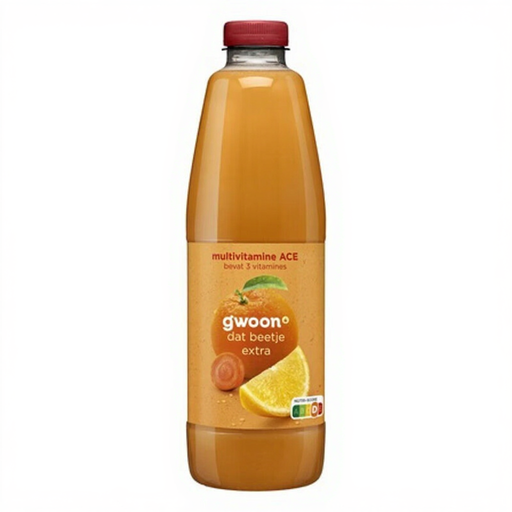
Why it suits this profile: The 1.5-litre bottle is practical for serving several glasses at home and means you do not need lots of smaller packs.
The product information states 25% fruit juice from concentrate and a blend of vitamins A, C and E. Check the current nutritional values on the physical label before ordering.
1.5-litre capacity, fruit and vegetable juice from concentrate, and none of the 14 major EU allergens according to the product details.
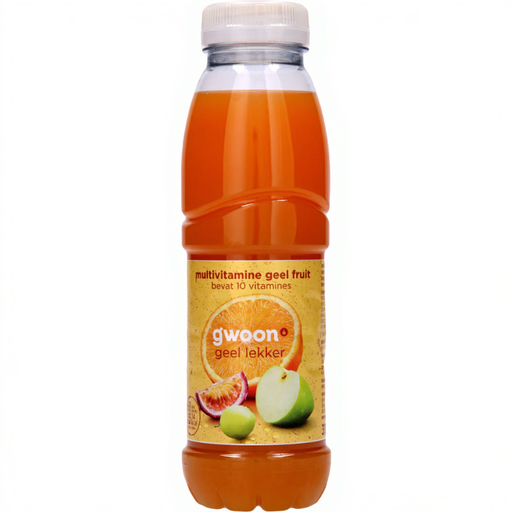
Why it suits this profile: For shoppers who primarily want to compare fruit percentage and a comprehensive vitamin composition.
The 75% fruit content is clearly stated in the product information, so you do not have to rely solely on the front of the packaging.
75% fruit juice and purée; vitamins A, B1, B2, B3, B5, B6, B8, B12, C and E according to the ingredients list.
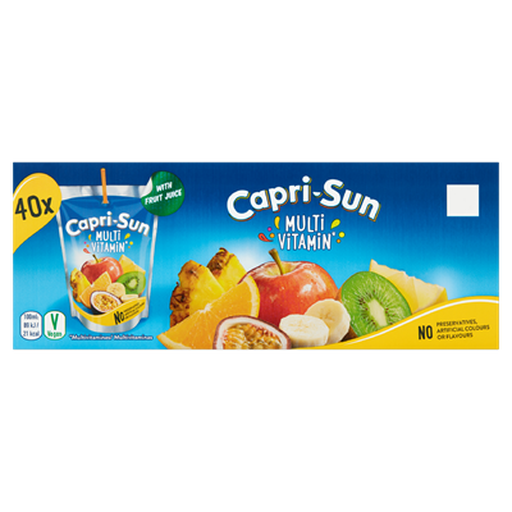
Why it suits this profile: The 200 ml portions are suitable for school, days out and families who regularly use smaller packs.
The multipack makes the number of portions clear in advance. However, compare the price per litre with bottles and check the sugar content on the packaging.
40 x 200 ml, vegan according to the product details, and containing vitamins C, B1, B3, B6, E and biotin.
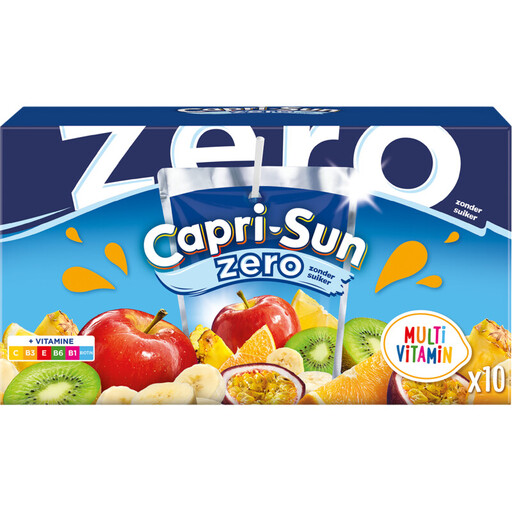
Why it suits this profile: A practical option if you are looking for sugar-free portions to take on the go and do not mind sweeteners.
The nutritional information states 0 grams of sugar per 100 ml. However, the ingredients list includes several sweeteners; this distinction is important when choosing.
10 x 200 ml, 3 kcal per 100 ml according to the product details, and a blend containing vitamin C, niacin, E, B6, B1 and biotin.
We have put together a complete, up-to-date list of products that fully meet these strict selection criteria and the applicable European safety regulations.
That depends on the product. An ordinary fruit drink is a foodstuff; a liquid or soluble multivitamin supplement often has a specific age range and dosage. Always check the label. According to the product information, Davitamon Junior 1-3 is intended for children aged 1 to 3, while Dagravit Start is intended for children aged 3 to 12.
Store opened bottles according to the instructions on the packaging, usually refrigerated and tightly sealed. Small packs are often intended to be consumed as individual portions. Always check the best-before date and the period within which the product should be consumed after opening.
“Sugar-free” describes the sugar content, not the full composition. Such a vitamin drink may contain sweeteners and have only a limited fruit content. So compare the sugar, calories, fruit percentage, sweeteners and serving size together. This will help you choose a fruit drink that suits your preferences and the occasion.
