
Vandaag of morgen in huis

Kwaliteit gegarandeerd

Welkomstaanbiedingen ontgrendelen: GRATIS bezorging | Tot 80% korting | Gratis 30 dagen JoyPlus-proefperiode
Download de app
Buying a multivitamin seems simple. You walk into a store, grab a bottle, and you're done. But the selection is overwhelming, and the marketing promises are often bigger than the bottles themselves. Many people pay for ingredients they don't need or get too little of what's truly important. Before you make a choice, it's wise to know what to look for.
As a Joybuy Product Recommendation Officer, I'm here to help you cut through the noise. We'll discuss the most common pitfalls and give you practical tools to find a multivitamin that fits your specific needs.
It's a waste of money to buy a supplement that isn't well-suited to your situation. These are the three most common mistakes:
To avoid these pitfalls, you can focus on a few concrete specifications. These will help you make an informed choice when buying a multivitamin.
Your body has different needs at different stages of life. A good multivitamin takes this into account.
Always check the label for the amount of each vitamin and mineral. This is often expressed as a percentage of the Reference Intake (RI), formerly known as the Recommended Daily Allowance (RDA). This percentage indicates how much of the recommended daily amount you get with a single dose. A product with dosages around 100% RI for the most important vitamins and minerals provides a solid supplement. Extremely high dosages (well above 100% RI) are usually unnecessary unless advised by a doctor.
How you take a multivitamin is a matter of personal preference. Each form has its own characteristics:
Based on the criteria above, we have selected a few products that align well with different profiles.
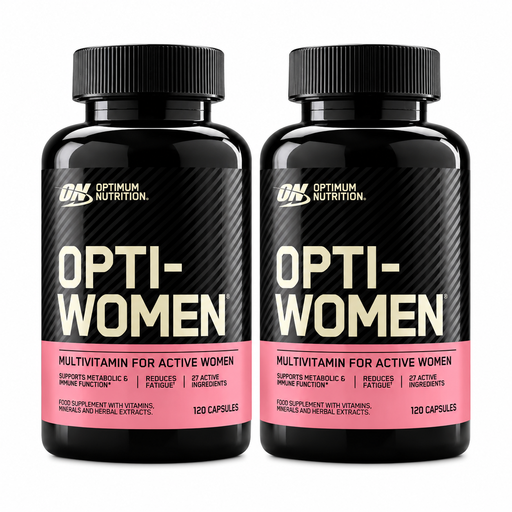
Why This Fits Their Persona: This multivitamin is specifically formulated for women with an active lifestyle. The formula supports energy levels and immunity, which is a great fit for a busy life or an intensive training schedule.
This product bypasses the "one-size-fits-all" pitfall by focusing on the specific needs of active women, with relevant dosages of iron and folic acid.
Contains over 20 active ingredients, including B-vitamins that promote energy metabolism and help reduce fatigue.
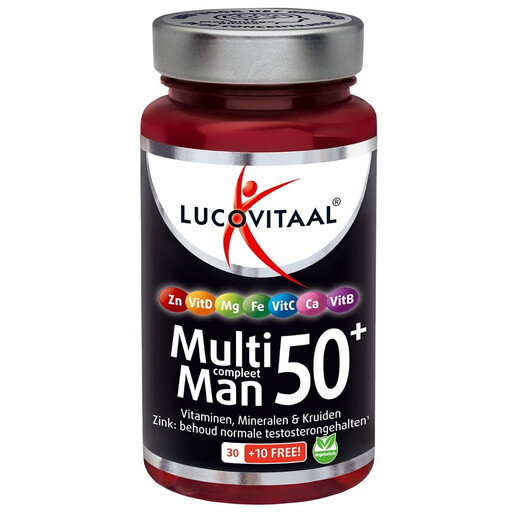
Why This Fits Their Persona: Specially developed for men over fifty. The addition of Ginkgo Biloba is interesting for those who want to support memory and concentration, while zinc contributes to maintaining normal testosterone levels.
This is a highly targeted product that avoids the pitfall of a generic formula. It focuses on the specific needs of an older man, rather than a broad audience.
The combination of a complete multivitamin with Ginkgo Biloba offers a dual function: support for overall vitality and cognitive functions.
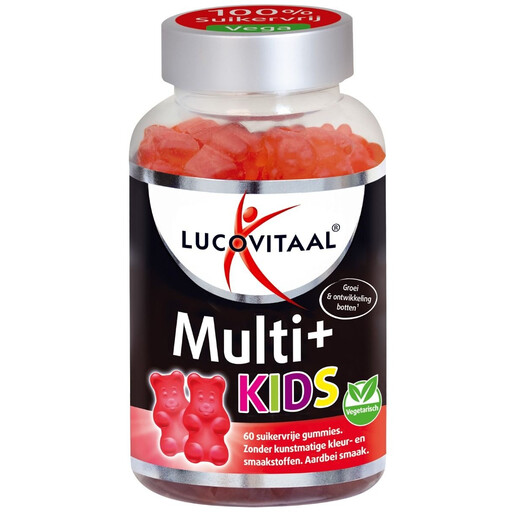
Why This Fits Their Persona: For parents looking for an easy and tasty way to supplement their children's nutrition. The gummies are specially formulated for children aged 5 and up and support immunity and growth.
This product addresses the "form over function" pitfall. It's a kid-friendly gummy, but it's sugar-free and has a composition tailored to a child's needs.
The natural strawberry flavor makes it easy to take. The formula is sugar-free and vegetarian, and contains vitamin D3 for the normal growth and development of bones.
We have compiled a complete, up-to-date list of products that meet these selection criteria and comply with local regulations.
A multivitamin is a supplement to, not a replacement for, a healthy and varied diet. For most people who eat a healthy diet, it is not strictly necessary. However, certain groups can benefit from a daily supplement. This includes people over 50, individuals on a vegan diet (due to vitamin B12), pregnant women, or people who cannot always eat a balanced diet due to a busy lifestyle.
The base is often the same, but the focus is different. A multivitamin for women typically contains more iron to compensate for loss during menstruation and extra folic acid. A multivitamin for men often contains a higher dose of zinc, which contributes to the maintenance of normal testosterone levels.
Yes, it is possible, especially with fat-soluble vitamins (A, D, E, and K). These are stored in your body, and excessive intake can be harmful in the long term. Water-soluble vitamins (B and C) are usually excreted in the urine if there is a surplus. It is therefore important not to exceed the recommended daily dosage on the packaging, unless otherwise advised by a doctor or specialist.
