
Vandaag of morgen in huis

Kwaliteit gegarandeerd

Welkomstaanbiedingen ontgrendelen: GRATIS bezorging | Tot 80% korting | Gratis 30 dagen JoyPlus-proefperiode
Download de app
A multisport cycling helmet may seem straightforward to choose at first glance. However, there are clear differences in fit, size range, ventilation and intended use. This is particularly important when one helmet is used for cycling, skateboarding, scooting, BMX riding and inline skating.
Parents also need to consider that children grow quickly. A helmet that fits well today may already be too tight in a few months. Adults and recreational athletes often face a similar question: does a skateboard helmet provide sufficient fit and comfort during longer bike rides?
As a Joybuy Product Recommendation Officer, I therefore focus mainly on verifiable specifications. Pay less attention to eye-catching marketing terms and check these three points first.
A dial at the back helps adjust the fit, but the adjustment range remains limited. Measure your head circumference with a flexible tape measure, approximately one centimetre above the eyebrows. Compare the result with the stated range in centimetres.
A helmet should not move loosely when you shake your head. At the same time, the chin strap must not dig in or be so tight that wearing the helmet becomes uncomfortable. For children, buying a helmet “to grow into” is not a good reason to choose a size that is too large.
A ventilated helmet may feel cooler, but the shape and positioning of the vents are also important. Also check whether the padding is removable and washable. Without washable padding, sweat and dirt can build up, particularly with regular skating or BMX riding.
A lightweight cycling helmet is comfortable on longer rides, but weight alone says nothing about fit or protection. Consider the overall design: the shell, inner padding, chin strap and size adjustment should work together.
An ABS and EPS helmet usually consists of a hard outer shell and a foam layer on the inside. ABS is used for the shell; EPS is a foam material which, according to the product description, is intended to help absorb impact energy. This does not guarantee a particular outcome in an accident.
Before buying, check whether suitable standards are stated on the packaging or product page, such as EN 1078 for cyclists, skateboarders and roller skaters. Also check the CE marking and the information about the EU responsible person. Not every helmet marketed as a BMX helmet or cycling helmet for skating is suitable for every sport or competition situation.
An adjustable cycling helmet should fit snugly all the way around without creating pressure points. Look for:
For a children’s cycling helmet, the stated age recommendation is only an indication. Head circumference and head shape are the deciding factors. According to the product information, the RoyalBaby Everest models are recommended for children aged 5 to 13 and have an adjustment range of 52.05 to 55.88 cm.
Removable padding is practical for children and athletes who train several times a week. Follow the manufacturer’s care instructions: hand-wash the padding if indicated, allow it to air-dry completely and clean the outer shell with a soft, damp cloth.
Do not make modifications that have not been approved by the manufacturer. Do not remove padding or drill additional ventilation holes. A helmet should be replaced after a serious fall, even when there is no visible damage on the outside. The OutdoorMaster Oryx product information also recommends replacement after approximately 3 to 5 years, as materials can deteriorate over time.
A cycling helmet for skating should remain securely in place during forward and sideways movements. For commuting or evening rides, visibility may be particularly relevant. A built-in LED rear light does not turn a helmet into cycle lighting and does not replace lights or reflectors on the bike. However, it can be an additional feature when the product has been designed for this purpose.

Why it suits this profile: An adjustable multisport helmet for recreational cycling, skateboarding, BMX and inline skating, with two sizes of removable padding.
The product information mentions ABS, EPS, an adjustable dial and washable padding. Check for yourself that size M corresponds to your head circumference.
ABS outer shell, EPS core, ventilation, dual adjustable padding and adjustable chin strap.
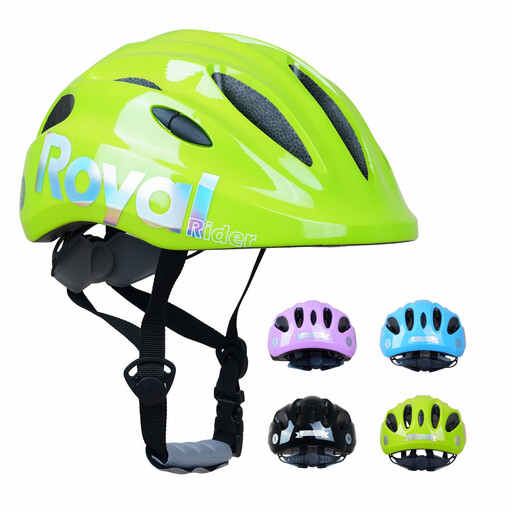
Why it suits this profile: Designed for children aged 5 to 13 who cycle, scoot, skateboard, rollerblade or ride BMX.
The stated range of 52.05–55.88 cm makes checking the size straightforward. According to the product information, the padding is removable and washable.
PC outer shell, EPS inner layer, 10 ventilation openings and a weight of approximately 213 grams.

Why it suits this profile: Size L is intended for a larger head circumference and suits users who want to use one helmet for several recreational sports.
The product description mentions an adjustable dial, chin strap, ventilation and two removable pads. Measure your head circumference before ordering.
Reinforced ABS shell, EPS core, ventilation system and hand-washable padding for regular use.
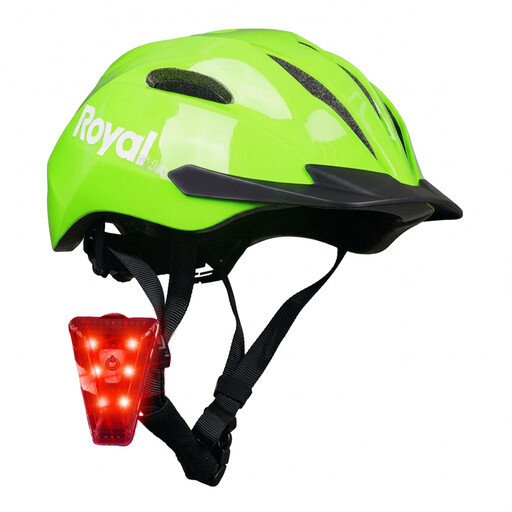
Why it suits this profile: A children’s helmet for families who also cycle or scoot at dusk and want to add extra visibility.
The LED function is clearly described, with 6 red lights and 3 modes. The washable padding helps prevent maintenance from being overlooked.
PC shell with EPS foam, multiple ventilation openings, removable padding, visor and built-in LED rear light.
We have put together a complete, up-to-date list of products that fully meet these strict selection criteria and the applicable European safety regulations.
It can be, provided the helmet is intended for cycling, skateboarding and roller sports according to the product information, and the correct size fits securely. Always check the stated standard, CE marking and usage restrictions. A skateboard helmet is not automatically suitable for every BMX discipline or competition.
The helmet should remain stable on your head without shifting forwards, backwards or sideways. The chin strap should sit securely, with limited space between the strap and your chin. Adjust the dial before every use, particularly when the helmet is shared by different family members.
Replace the helmet immediately after a serious fall or collision, even if there are no visible cracks. Also regularly check the shell, EPS layer, straps, buckle and padding. Follow the manufacturer’s replacement period; the OutdoorMaster Oryx product information states 3 to 5 years as a guideline for material ageing.
