
If you’re serving rusks to several guests
For a shared Easter lunch, the number of rusks and the texture you want from the seeds both matter. Albert Heijn lists AH Multiseed Rusks as containing ten servings and over 16% seeds and kernels.


When choosing rusks with chocolate sprinkles, start with a multiseed rusk whose nutritional values, serving size and ingredients suit your Easter lunch. Then decide which sprinkles to serve and how much. The rusks reviewed vary in fibre, protein and allergens, while your choice of topping also affects the sugar content per serving. If any guests have allergies, check both packs.
For a shared Easter lunch, the number of rusks and the texture you want from the seeds both matter. Albert Heijn lists AH Multiseed Rusks as containing ten servings and over 16% seeds and kernels.
If you’re choosing rusks with fibre and protein in mind, you can compare the values per 100 g. Albert Heijn lists 11 g of fibre and 20 g of protein for TastyBasics Multiseed Rusks, compared with 10 g of fibre and 17 g of protein for Bolletje High-Fibre Multiseed Rusks.
If a guest needs to avoid sesame, egg or gluten-containing cereals, you’ll need to check the exact pack. The three multiseed rusks reviewed contain wheat and sesame; the AH and TastyBasics varieties also contain egg. Remember to check your chosen chocolate sprinkles too.
First, compare the rusks per 100 g and per piece. Then check the ingredients in both the rusks and chocolate sprinkles, and decide how much you want to serve at lunch.
| What to consider | What should you check? | Who is this most important for? |
|---|---|---|
| Nutritional value of the rusks | Compare fibre, protein and carbohydrates per 100 g; also check the weight of each rusk. | If I’m choosing rusks mainly for their nutritional profile, I want to compare values without mixing up different serving sizes. Around 40% of consumers prioritise these nutritional values. |
| Ingredients and allergens | Check the ingredients and allergen statements on both current packs, including any warnings about possible traces. | If a guest needs to avoid certain ingredients, I need to know what’s in both the rusks and the chocolate sprinkles. Around 30% of consumers prioritise this check. |
| Servings and topping | Check the number of rusks, the weight per piece, and how much and what type of chocolate sprinkles you want. | For a shared lunch, I want to put out enough rusks and let guests choose their topping. Around 30% of consumers consider this practical choice the most important factor. |
The rusks reviewed contain wheat and sesame; AH Multiseed Rusks and TastyBasics Multiseed Rusks also contain egg. So the product name alone won’t tell you whether a guest can eat them.
Before serving, check the ingredients and allergen information on the pack you’ve bought, and do the same for the chocolate sprinkles.
According to Albert Heijn, the fibre content of the three rusks reviewed ranges from 7 to 11 g per 100 g. A visible layer of seeds doesn’t, by itself, tell you the nutritional value of the rusks.
Compare the nutritional information per 100 g, then check the weight of one rusk if serving size matters to you.
According to the Voedingscentrum, an average 15 g serving of chocolate sprinkles contains 9.4 g of sugars. The nutritional value of the rusks doesn’t change what the topping adds.
Compare the nutritional information for your chosen chocolate sprinkles and decide how much you want to serve on each rusk.
The Voedingscentrum says that using iodised baker’s salt in bread is not compulsory. So don’t assume what type of salt has been used in rusks based on the product category alone.
Check the label of your chosen rusks to see whether baker’s salt or iodised salt is listed among the ingredients.
AH Multiseed Rusks are an option if you’re looking for a pack with ten servings and a visible seed base for your Easter lunch.
TastyBasics Multiseed Rusks are worth considering if you want to give the nutritional values of your rusks particular attention.
Bolletje High-Fibre Multiseed Rusks are a vegan variety included in this review, with each rusk weighing around 16 g.
De Ruijter is a brand of chocolate sprinkles to consider once you’ve chosen your rusks. Jumbo lists milk and dark chocolate varieties, among others.
Venz is another option for chocolate sprinkles; Jumbo lists milk chocolate sprinkles and Rimboe varieties, among others.
These products include multiseed rusks as a base, with separate milk or dark chocolate sprinkles for topping. Choose your rusks and chocolate sprinkles separately so you can check the packaging, ingredients and serving size you want for each product.
 Image unavailable
A seed-based option for your Easter lunch. If you’re serving guests with allergies, check the ingredients on the pack. If it matters to your choice, also see whether baker’s salt or iodised salt has been used.
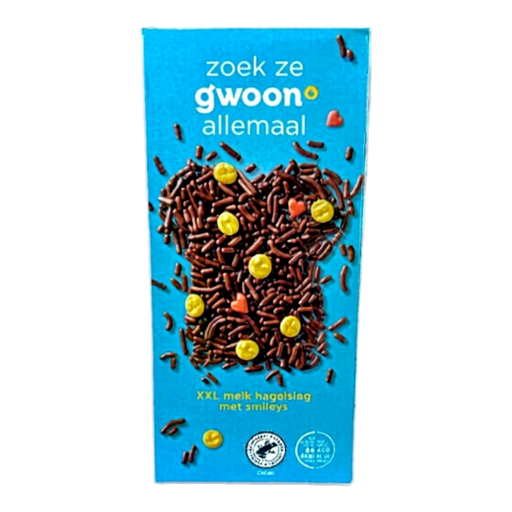 Image unavailable
Milk chocolate sprinkles with smiley-shaped pieces to top your rusks. Check the allergens and nutritional information on the pack before serving them to guests.
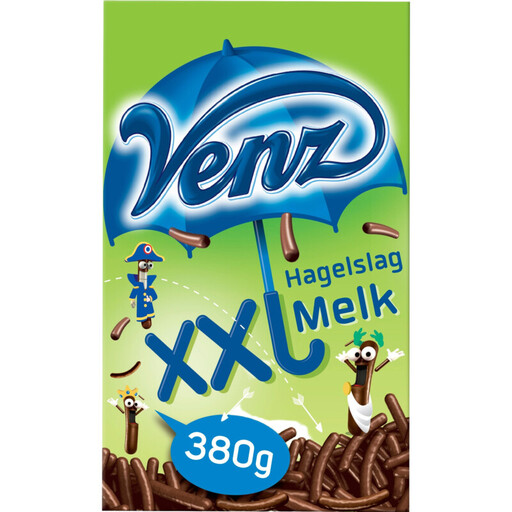 Image unavailable
A milk chocolate topping for anyone who wants to choose their rusks and chocolate sprinkles separately. Check the allergen information and use the pack to decide how much to serve.
 Image unavailable
A dark chocolate topping if you’d like to offer another flavour alongside milk chocolate sprinkles. Check the ingredients, allergens and nutritional information on the pack.
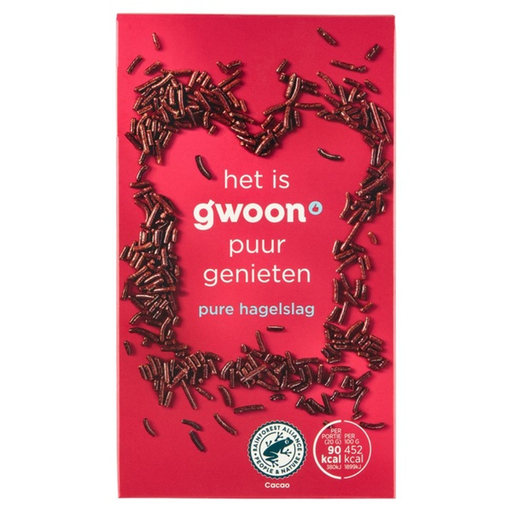 Image unavailable
A second dark chocolate topping, in a 400 g pack. Compare the nutritional information and allergens for this exact variety with the other chocolate sprinkles you’re considering.
No. Albert Heijn lists 7 g of fibre per 100 g for AH Multiseed Rusks, 10 g for Bolletje High-Fibre Multiseed Rusks and 11 g for TastyBasics Multiseed Rusks across the three varieties reviewed. Compare the nutritional information for the variety you buy.
Don’t serve any of the varieties reviewed without checking first: all three contain wheat and sesame, and the AH and TastyBasics varieties also contain egg. Read the current packaging for both the rusks and the chocolate sprinkles, and only choose products whose ingredients are suitable for what your guest needs to avoid.
Don’t assume so. According to the Voedingscentrum, using iodised baker’s salt in bread is not compulsory. Check the label of your chosen rusks to see which type of salt is listed as an ingredient.
Seal the pack well after opening and store the rusks in a dry place. Serve the chocolate sprinkles separately and let guests top their rusks just before eating.
Yes. According to the Voedingscentrum, an average 15 g serving of chocolate sprinkles contains 9.4 g of sugars. Compare the nutritional information for your chosen variety and take into account how much you sprinkle on each rusk.