
Snack makers who want to slice their own bread
You want to match the size of the bread pieces to the toppings and presentation. Check whether a whole loaf is unsliced, or choose a loaf shape you can slice yourself after baking.


For generously topped Christmas market snacks, choose bread you can slice yourself if you want to control the thickness: a whole loaf may already be pre-sliced. Also check separately whether the bread is wholemeal, and read the current packaging if you have allergies. A thick slice alone doesn’t prove that the bread can support generous toppings.
You want to match the size of the bread pieces to the toppings and presentation. Check whether a whole loaf is unsliced, or choose a loaf shape you can slice yourself after baking.
You’re looking for a wholemeal base and don’t want to rely on the word ‘multigrain’ alone. The Netherlands Nutrition Centre points out that multigrain bread can also be made with white flour, so check the product description, ingredients and fibre per 100 g.
You want to know which ingredients and allergens are in the specific loaf before serving it. Read the current packaging, including any warnings about the possible presence of other allergens.
First decide whether you want to slice the bread yourself or use pre-sliced bread. Then check whether it is labelled wholemeal and review the ingredients of the loaf you’re actually buying.
| What to consider | What to check when buying | Who it matters to |
|---|---|---|
| Slicing it yourself | Ask whether the bread is pre-sliced; check the slices or choose a loaf shape you can slice yourself after baking. | If I want to match the portions to my toppings, I want to be able to choose the slice thickness myself. An estimated 44% of consumers say this is their top priority. |
| Wholemeal and fibre | Check whether the bread is labelled wholemeal and compare the fibre per 100 g in similar loaves. | For my snack, I want to know whether the bread is genuinely wholemeal, rather than assuming this from the word ‘multigrain’ alone. An estimated 33% of consumers put this question first. |
| Ingredients and allergens | Read the current ingredients list, allergen information and any warnings on the packaging. | When I’m buying bread for guests, I need to be able to check whether the ingredients are suitable for them. An estimated 23% of consumers say this is their top priority when buying. |
According to the Netherlands Nutrition Centre, ‘multigrain’ means that at least three types of grain are used. The word doesn’t mean that the bread is made with wholemeal flour.
Look for a wholemeal label, read the ingredients and, if you like, compare the fibre per 100 g.
‘Whole’ can describe the size of the loaf. For example, PLUS explicitly says that its Korenlanders Donker meergranen rond heel loaf is sliced.
Check how the bread is sliced before you buy it. If you want to choose the slice thickness yourself, pick a loaf you can actually slice yourself.
Ingredients can change, so an old product description isn’t a substitute for checking the packaging of the bread you’re serving.
When you buy the bread, read the ingredients, highlighted allergens and any warnings on the current packaging.
You may have portions left over after a one-off event.
Match the quantity to the number of snack portions you’re planning. Divide any bread you want to freeze into handy portions beforehand.
Albert Heijn lists products including AH Vloerbrood meergranen heel.
Jumbo lists products including Stevig Meergranen and wholemeal multigrain breads.
Lidl describes its Meergranenbrood as bread containing, among other things, wheat, barley and buckwheat.
ALDI lists products including boeren volkoren meergranenbrood and a meergranenstokbrood.
PLUS lists products including Korenlanders Donker meergranen rond heel and wholemeal multigrain baguettes to bake at home.
Dirk lists products including Bakker van der Akker multigrain bread in whole and half sizes, as well as a multigrain baguette to bake at home.
These products are baguettes to bake at home and round loaves that you can slice yourself after baking. Check the baking instructions on the packaging, then decide whether the slices you cut are suitable for your toppings.
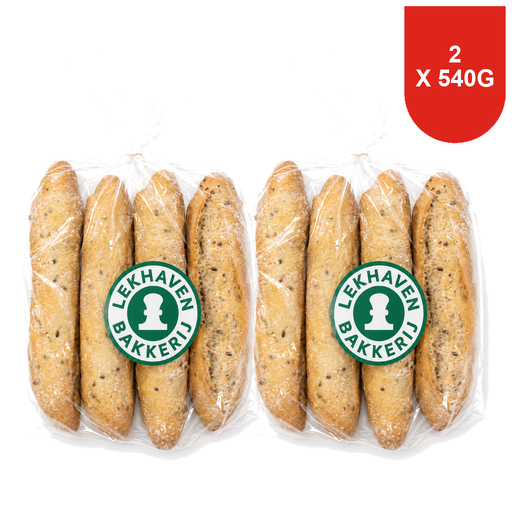 Image unavailable
A baguette to bake at home, ideal if you want to slice it yourself after baking.
Let the bread cool according to the product instructions before slicing. Allow time for defrosting and baking; check the current packaging for preparation instructions and allergen information. This doesn’t guarantee a particular slice thickness or that the bread can support generous toppings.
 Image unavailable
A baguette to bake at home, ideal if you want to slice it yourself after baking.
Let the bread cool according to the product instructions before slicing. Allow time for defrosting and baking; check the current packaging for baking times and allergen information. This doesn’t guarantee a particular slice thickness or that the bread can support generous toppings.
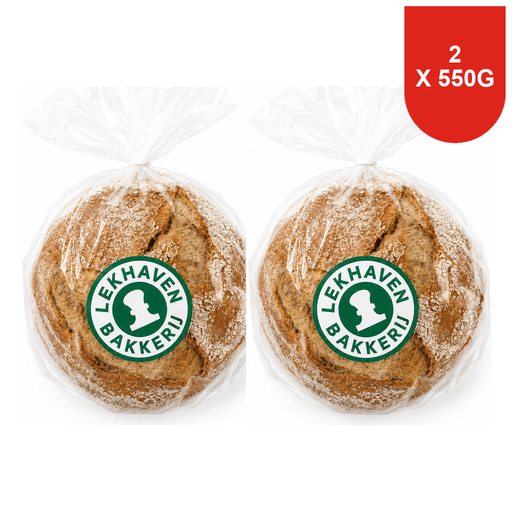 Image unavailable
A round loaf for anyone who wants to slice it themselves after baking.
The bread needs to be defrosted, baked and cooled before slicing. Check the current packaging for baking times and allergen information. Try out your preferred slice thickness before assuming the slices can support generous toppings.
 Image unavailable
A round loaf for anyone who wants to slice it themselves after baking.
Allow time for defrosting, baking and cooling. Check the current packaging for baking times and allergen information. Try out your preferred slice thickness before assuming the slices can support generous toppings.
No. According to the Netherlands Nutrition Centre, multigrain bread contains at least three different types of grain, but it can also be made with white flour. If you’re looking for wholemeal bread, check the product description and ingredients.
Not necessarily: ‘whole’ doesn’t tell you whether the bread is unsliced. PLUS even states that its Korenlanders Donker meergranen rond heel loaf is sliced. Ask how it’s sliced or choose a loaf you can slice yourself.
The Netherlands Nutrition Centre recommends keeping opened wholemeal bread for 2 to 4 days in a kitchen cupboard, or 1 to 3 months in the freezer. Freeze any portions you want to use later in good time, and bear in mind that quality may deteriorate during longer storage.
Check the allergen information on the current packaging for the specific loaf. Multigrain products may contain cereals containing gluten or sesame, for example; also look for any warnings about the possible presence of other allergens.
No, the name ‘multigrain bread’ doesn’t tell you that. Read the current ingredients list and ask the manufacturer for product-specific information if you want to know the iodine content of a particular loaf.