What should you look for when choosing?
First, check whether allergens limit your choice. Then decide when you want to eat the bread: bread you can use for sandwiches straight away needs different planning from a loaf you still have to bake.
| What to consider |
What should you check? |
Who does this matter to? |
| Ingredients and nutritional value |
Check which types of flour are used and compare fibre and salt per 100 g. |
If I’m taking bread for several snacks, I want to know what’s in it rather than rely on the word ‘multigrain’. This is the most important consideration for around 36% of consumers. |
| Preparation and quantity |
Check whether the bread is sliced or part-baked, as well as the pack size and storage instructions. |
If I want to make sandwiches straight away while travelling, part-baked bread isn’t right for my plans if there’s no oven. Around 29% of consumers put this convenience first. |
| Sourdough flavour and texture |
Read how the bread and proving process are described; consider flavour separately from nutritional value. |
If I want to take only a small amount of filling, the flavour of the bread itself could be the deciding factor. This comes first for around 21% of consumers. |
| Allergens |
Read the allergen information and, if necessary, check for an explicit gluten-free label. |
If I need to avoid gluten or another allergen, the product information determines which bread I can choose. This is the first consideration for around 14% of consumers. |
Multigrain baguettes for baking later
These Lekhaven Bakkerij multigrain baguettes are suited to a planned meal when you have time to defrost and bake them. If you want to eat sandwiches during the journey, choose bread you can prepare in advance.
 No image available
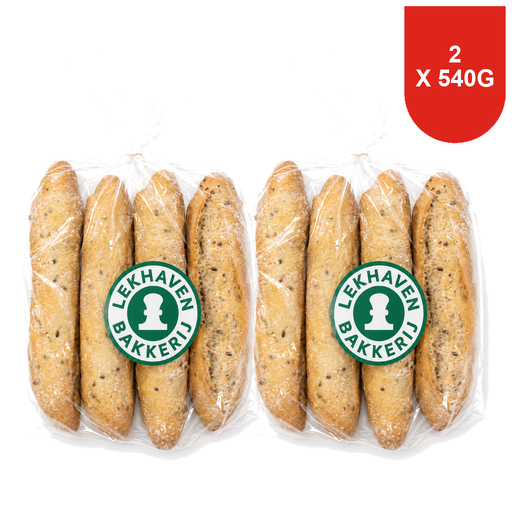
Lekhaven Bakkerij Multigrain Rustic Baguette 4 × 135 g × 2
For planned snack breaks when you can defrost and bake the baguettes before eating them.
Two packs of four 135 g baguettes. Check the ingredients, allergens and nutritional information on the packaging if they affect your choice.
View at Joybuy
 No image available
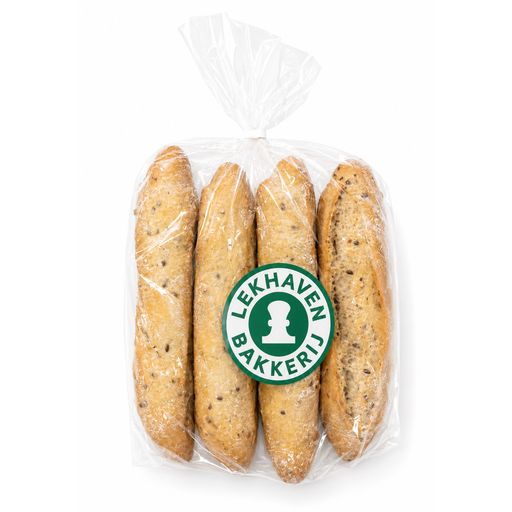
Lekhaven Bakkerij Multigrain Rustic Baguette 4 × 135 g
For a later meal when you have time to defrost and bake them, rather than eating them straight from the pack while travelling.
Four 135 g baguettes. Before buying, check the ingredients, allergens and nutritional information that are relevant to your choice.
View at Joybuy
Frequently asked questions
Is multigrain bread automatically wholemeal?
No. According to the Voedingscentrum, multigrain bread is made from at least three different types of grain; that doesn’t tell you whether all the flours used are wholemeal. Check the ingredients list and, if useful, compare the fibre per 100 g.
Is multigrain sourdough automatically gluten-free?
No. The regular multigrain sourdough products described from Jumbo and PLUS contain cereals containing gluten. If you need to avoid gluten, check that the bread you choose is explicitly labelled gluten-free and read the other allergen information too.
How can I find out about allergens in unpackaged bread?
Ask before you buy, or check what information is provided with the bread. According to the Netherlands Food and Consumer Product Safety Authority, consumers must be able to get information about allergens present in unpackaged products too, for example on a shelf label or from a member of staff.
Can I freeze multigrain sourdough bread before setting off?
It depends on the bread. For AH OerDesem donker meergranen heel gesneden, Albert Heijn says you can freeze it on the day you buy it and should use it within one month. Follow the storage and use instructions for any other bread.
Does multigrain sourdough bread always contain iodised salt?
You can’t tell from the name of the bread. Jumbo lists iodised salt in its Desem Baguette Meergranen, while PLUS mentions bakers’ salt in a multigrain sourdough bread it describes. If the type of salt matters to your choice, check the ingredients list of the bread you buy.


