
For a picnic or drinks
If you want to share bread or bake it just before serving, consider multigrain sourdough rolls or baguettes. Just make sure you have the time and equipment to prepare them according to the instructions on the pack.


For sandwiches you want to hand out straight away, choose a sliced multigrain sourdough loaf. If you want to bake bread just before a King’s Day gathering, look for rolls or baguettes and allow time to prepare them. According to the Netherlands Nutrition Centre, multigrain means a loaf contains at least three types of grain, but it doesn’t mean the bread is wholemeal. Check the ingredients and compare the nutritional information per 100 g to find out.
If you want to share bread or bake it just before serving, consider multigrain sourdough rolls or baguettes. Just make sure you have the time and equipment to prepare them according to the instructions on the pack.
The front of the pack won’t tell you how much wholemeal flour a multigrain loaf contains. Compare the ingredients list and fibre per 100 g if that matters to your choice.
If you need to know about iodised salt or allergens, the up-to-date information for the specific product matters more than general descriptions such as multigrain, sourdough or organic.
First, decide how you want to serve the bread on King’s Day and whether it needs baking. Then compare the ingredients and nutritional information of the options that suit your plans.
| What to consider | What to check when buying | Who it matters to |
|---|---|---|
| Wholemeal and fibre | Look for wholemeal flour in the ingredients list and compare fibre per 100 g. | If I want a loaf made with wholemeal flour for breakfast, I don’t want to rely on the word multigrain alone. For around 31% of consumers, wholemeal or fibre is the top priority. |
| Size and format | Check the weight, number of items and whether the bread is sliced. | When I’m catering for a group, I want to know whether I can quickly make sandwiches or would rather hand out rolls and baguettes. Around 25% of consumers give serving format top priority. |
| Preparation and storage | For part-baked bread, check the instructions for your equipment; for storage, read the freezing advice. | If I’m leaving straight away, I don’t want to find myself having to defrost or bake bread unexpectedly. Planning ahead is the main buying consideration for around 25% of consumers. |
| Salt and allergens | Check the current ingredients, allergen information and salt per 100 g; look for iodised salt or bakers’ salt if needed. | If an ingredient or allergen affects my choice, I want to read the information for that exact loaf. For around 19% of consumers, checking the label comes first. |
According to the Netherlands Nutrition Centre, multigrain means that the bread contains at least three types of grain. It doesn’t mean the flour is wholemeal.
Read the ingredients list and, if fibre matters to your choice, compare the values per 100 g.
According to the Netherlands Nutrition Centre, using bakers’ salt in bread isn’t compulsory. The words sourdough and organic don’t tell you whether it’s been used either.
If it matters to your purchase, check the ingredients list of the bread you’ve chosen for bakers’ salt or iodised salt.
A part-baked product needs the equipment and preparation time specified on the pack. For example, PLUS gives different oven and air fryer instructions for its multigrain sourdough demi-baguettes.
If you need to leave straight away, choose bread that’s ready to serve. Otherwise, check the instructions for your part-baked product in advance.
Defrosting and baking take time to plan for and require suitable equipment.
The Jumbo and PLUS products reviewed list cereals containing gluten and, depending on the product, other possible allergens. The word multigrain doesn’t tell you which information applies to your chosen option.
If you have an allergy, check the current allergen information on the pack of the exact bread you’re choosing.
These examples show how the type of bread and label information can vary between products. The features listed don’t necessarily apply to a brand’s entire range.
Sliced AH OerDesem dark multigrain is an example for anyone who wants to prepare sandwiches in advance.
Jumbo’s multigrain sourdough products reviewed include rolls and a baguette.
The Bio rustic multigrain sourdough loaf is a 600 g brown loaf with seeds and kernels.
Boeren wholemeal multigrain is a sliced loaf for anyone mainly looking for a wholemeal multigrain option.
The multigrain sourdough products reviewed include a small brown loaf and part-baked demi-baguettes.
Dirk lists, among other options, a whole multigrain hearth loaf and a rustic multigrain baguette to bake at home.
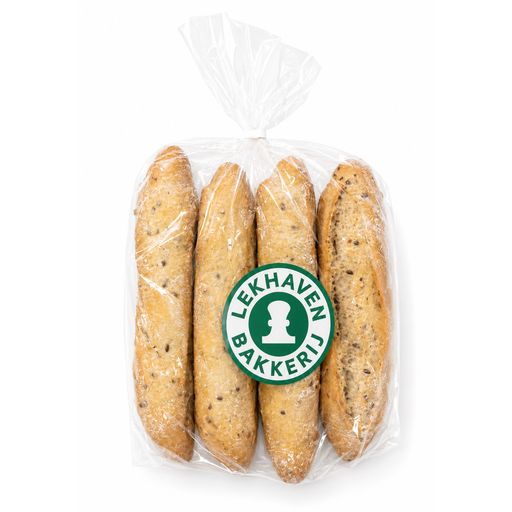
If you want to serve baguettes at a King’s Day gathering, here’s a multigrain option that’s ready to bake. Check the packaging if wholemeal flour, preparation method or specific ingredients are important to your choice.
 No image available
An option if you want to serve baguettes at a gathering and have time to prepare them before serving.
Check the current defrosting and baking instructions: the baking times listed vary. The product description lists yeast as well as sourdough starter; check the packaging if you’re looking for bread with no added yeast. Also check the ingredients, nutritional information and allergen details for the option you’ve chosen.
No. According to the Netherlands Nutrition Centre, multigrain means a loaf contains at least three types of grain; it doesn’t confirm that the flour is wholemeal. Check the ingredients and compare fibre on the same per-100 g basis.
Not for every multigrain sourdough product. The ingredients lists reviewed for some Jumbo and PLUS products also include yeast as well as sourdough starter. If added yeast matters to you, read the list for the option you’ve chosen.
No. The Netherlands Nutrition Centre says that using bakers’ salt isn’t compulsory. Check the current ingredients list for the bread you’ve chosen to see whether it lists bakers’ salt or iodised salt.
Follow the instructions on the packaging for the product you’ve chosen. For its multigrain sourdough demi-baguettes, PLUS recommends 8–10 minutes in a preheated oven at 220 °C, or 5–6 minutes in an air fryer at 200 °C. These instructions don’t automatically apply to other baguettes.
It depends on the product and its storage advice. Albert Heijn says you can freeze AH OerDesem dark multigrain at home on the day you buy it; check the packaging for any other loaf.