
If you want a quick slice late at night
Sliced bread is ready to eat, with no oven or air fryer needed. If you only eat bread now and then, you can freeze individual slices so you don’t have to use the whole loaf at once.


Sliced multigrain sourdough bread is a handy choice for a late-night snack when you want something ready to eat. Choose bake-at-home rolls or a baguette if you’d rather have warm bread and have time to prepare it. If you’re looking for bread that’s entirely wholemeal, check that the packaging specifically says ‘wholemeal’. Also compare fibre and salt per 100 g, and read the ingredients and allergen information rather than relying on ‘multigrain’ or ‘sourdough’ alone.
Sliced bread is ready to eat, with no oven or air fryer needed. If you only eat bread now and then, you can freeze individual slices so you don’t have to use the whole loaf at once.
A bake-at-home roll or small baguette is a good fit when you’re happy to spend a little time preparing your snack. Before you buy, check whether it needs to be defrosted and follow the cooking instructions on the packaging.
‘Multigrain’ alone isn’t enough. Look for the word ‘wholemeal’, compare the nutritional information per 100 g, and check the ingredients and allergen information for the bread you choose.
First, decide between bread that’s ready to eat and a warm snack that needs preparing. Then assess the type of bread and its label separately: the word ‘sourdough’ doesn’t tell you whether it’s wholemeal or how much salt it contains.
| What to consider | What to check before buying | Who it matters to |
|---|---|---|
| Ready to eat or bake at home | Check whether the bread is sliced and ready to eat, or needs to be defrosted and baked. | If I want a slice late at night, I don’t want to have to switch on the oven first; being able to eat it straight away is the deciding factor for around 38% of consumers. |
| Wholemeal and nutritional information | Look for ‘wholemeal’ and compare fibre and salt per 100 g. Check the ingredients and allergen information too. | If I’m having a late-night snack regularly, I want to know which bread is entirely wholemeal and what else it contains; around 31% of consumers put these label checks first. |
| Sourdough, crust and portion size | Check whether sourdough is listed in the ingredients, and whether the size and cooking instructions suit your snack. | I’m happy to take the time to prepare warm bread, as long as the size suits what I want to eat or share; around 31% of consumers say this combination matters most. |
Multigrain means the bread contains several types of grain; it doesn’t automatically mean it’s made entirely from wholemeal flour. According to the Voedingscentrum, wholemeal bread is made from 100% wholemeal flour.
If you specifically want wholemeal bread, look for the word ‘wholemeal’ and read the ingredients list.
You can’t tell how much fibre or salt a bread contains from words such as ‘sourdough’ or ‘artisan’. The Voedingscentrum also points out that ‘artisan’ isn’t a legally defined product description.
Compare the nutritional information per 100 g and check the ingredients, even if the bread’s name focuses on how it’s made.
If you only have a slice late at night now and then, the rest may dry out or go off before you get round to eating it.
Freeze slices in portions soon after buying, or choose a smaller loaf if you’d rather not freeze it.
Ingredients and salt levels vary from product to product. A similar-sounding bread name is no substitute for checking the label on the pack you’re buying.
Read the allergen information and compare salt per 100 g when choosing between different types of bread.
An example of sliced multigrain sourdough bread that’s ready to eat.
For anyone looking to bake multigrain sourdough rolls or a baguette at home.
For a warm snack, with a bake-at-home multigrain sourdough demi-baguette or a frozen bread roll.
Multigrain alternatives in the form of a half loaf or bake-at-home baguettes.
A multigrain bake-at-home baguette for anyone wanting to prepare or share a larger loaf.
These baguettes are suited to a planned, warm late-night snack, prepared as individual portions. If you want a slice of bread without any preparation, you’ll need a different type.
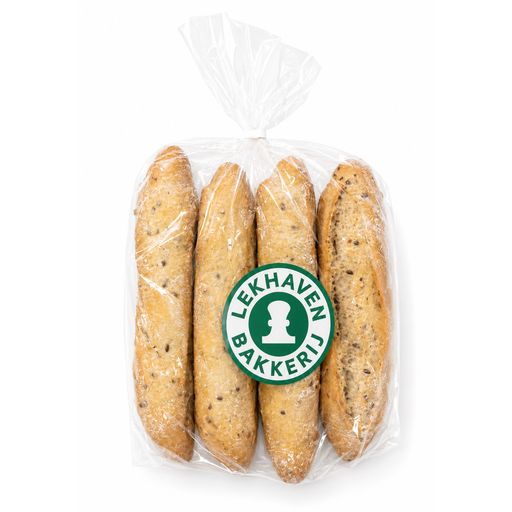 Image unavailable
A good choice if you want to prepare a warm multigrain sourdough baguette one at a time, as long as you can plan ahead for defrosting.
The pack contains four baguettes weighing 135 g each. According to the product description, they need to defrost for around four hours and then bake for 5–7 minutes.
Look for the word ‘wholemeal’ on the packaging if you want bread that’s entirely wholemeal. Compare fibre and salt with other breads only when the nutritional information is clearly given per 100 g.
No. ‘Multigrain’ doesn’t automatically mean the bread is entirely wholemeal. According to the Voedingscentrum, wholemeal bread is made from 100% wholemeal flour, so look for the word ‘wholemeal’ on the packaging if that’s important to you.
Start with the type of bread: sliced bread is ready to eat, while bake-at-home bread takes time to prepare. Then check whether sourdough is listed in the ingredients, and look separately at the wholemeal content, nutritional information and allergens.
Freeze the bread in portions so you only need to take out the slices you need. The Voedingscentrum recommends keeping wholemeal bread in a kitchen cupboard for 2–4 days or in the freezer for 1–3 months; freezing it for longer may make it drier.
Check the ingredients list on the specific loaf for the words ‘iodised salt’. Don’t rely on the bread’s name or the fact that it’s made with sourdough: neither tells you what type of salt the product contains.