
Livraison le jour même et le lendemain

Qualité garantie

Débloquez vos offres de bienvenue: Livraison GRATUITE | Jusqu'à -80 % | 30 jours d'essai gratuits à JoyPlus
Téléchargez l'application
Looking for multigrain rice and porridge for breakfast, a quick meal or a pantry stocked with Asian foods? You will soon come across products containing black rice, grains, pulses, rice flakes or flavourings. The packaging may give a healthy impression, but the ingredients, preparation method and serving size determine whether a product is genuinely right for your household.
Terms such as multigrain rice, black rice and wholegrain rice may sound clear, but always check the percentages. A product may contain several grains while the proportion of black rice or other grains remains limited. For example, Yin Lu Hao Zhou Dao Black Rice Porridge contains 15% black glutinous rice, alongside ingredients including maize, oats, barley, red beans and buckwheat.
Also look out for added sugar, syrup, oil and flavour enhancers. Ready-made rice porridge is primarily designed for convenience; that does not automatically make it comparable with homemade rice porridge or unsweetened rice.
Instant rice porridge prepared with boiling water is very different from a dry rice mix that needs to be soaked and cooked first. According to the product information, MAMA Instant Porridge Seafood Cup is ready in around two minutes after boiling water has been added. SAWAT-D Multi Grain Rice, on the other hand, requires rinsing, brief soaking, cooking in a rice cooker and a further ten minutes of resting time.
If you have little time in student accommodation, at the office or in a small kitchen, it is worth reading the full preparation instructions. A rice cooker can make a multigrain mix easier to prepare, but it does not always eliminate the cooking time needed for firmer grains and pulses.
Multigrain products regularly contain gluten-containing grains, such as oats, barley, wheat, spelt or coix seed. Sesame, soya, peanuts, milk, fish and shellfish are also found in rice porridge and breakfast cereals. So do not check only the front of the packaging; also read the allergen information and any warning about cross-contamination.
Compare the ingredients list by looking at both the order and the percentages. For a rice mix, it is relevant whether rice is the main ingredient or whether pulses, maize and other grains make up a significant proportion. Also check the nutritional value per 100 grams and per serving. A dry rice mix and ready-made porridge contain different proportions of water, so their figures are not directly comparable.
SAWAT-D Multi Grain Rice lists approximately 356 kcal, 10 grams of protein and 4.1 grams of fibre per 100 grams. Lassie Multi-Grain Rice lists 7.1 grams of fibre per 100 grams and, according to the product information, is ready in around eight minutes. These figures are product details, not a guarantee of any particular health effect.
For loose multigrain rice, the water ratio and resting time are important. SAWAT-D recommends rinsing one cup of rice twice, adding approximately 1.8 cups of water, soaking for ten minutes and keeping the rice warm for a further ten minutes after cooking.
A rice cooker with programmes for mixed grains can be useful for families. The Instant Pot Rice Cooker 5 L includes programmes for white rice, brown rice, mixed grains, quinoa, steaming and slow cooking. When buying electrical appliances, always check the plug, power rating, instructions and the amount of available worktop space.
For instant porridge, you will usually only need a kettle. Do pay attention to the instructions, though: VIFON Beef Flavour uses a 50-gram serving and states 2.3 grams of salt per pack. This is important information if you use several instant products each week.
Canned products such as Yin Lu and Daliyuan can be stored unopened at room temperature in a cool, dry place. Once opened, the contents should be consumed immediately. Dry rice and breakfast cereals stay usable for longer when the packaging is sealed properly after opening and protected from moisture, heat and strong odours.
Vacuum packaging, as used for the SAWAT-D mix, can help keep the product sealed during storage. Even so, check that the packaging is undamaged, and always refer to the label for the specific best-before date.
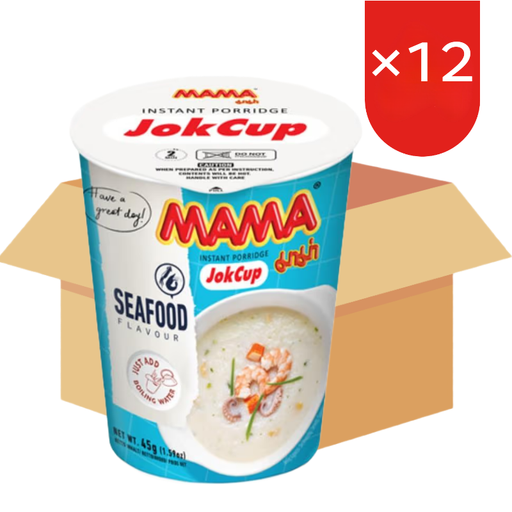
Why it suits this profile: A stock of individual cups is practical for breakfast, the office, travelling or a quick meal without a hob.
The preparation steps and serving size are clearly stated: add boiling water, stir and wait for approximately one to two minutes. Do check the listed allergens, including shellfish, fish, milk, soya, wheat and barley.
12 serving cups of 45 grams; prepared using boiling water only; suitable for home, work and eating on the go.
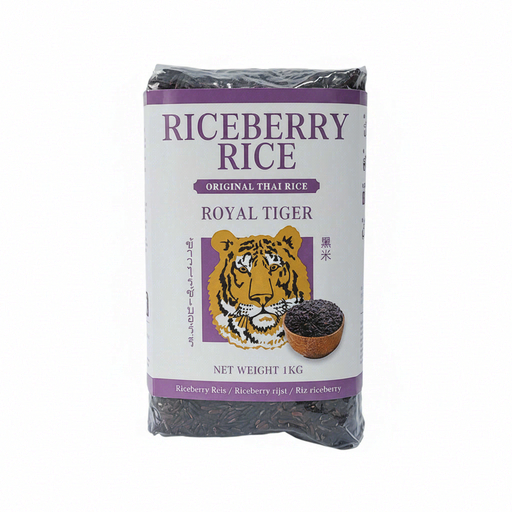
Why it suits this profile: This Thai wholegrain rice is ideal for anyone who values flavour, texture and provenance, and is happy to take time over preparation.
The ingredients are simple: Riceberry Rice 100%. This tells you exactly which type of rice you are buying, rather than an unclear mix with varying proportions.
1 kg pack; 4.1 grams of fibre and 7.8 grams of protein per 100 grams according to the product information; suitable for rice bowls, salads and Asian meals.
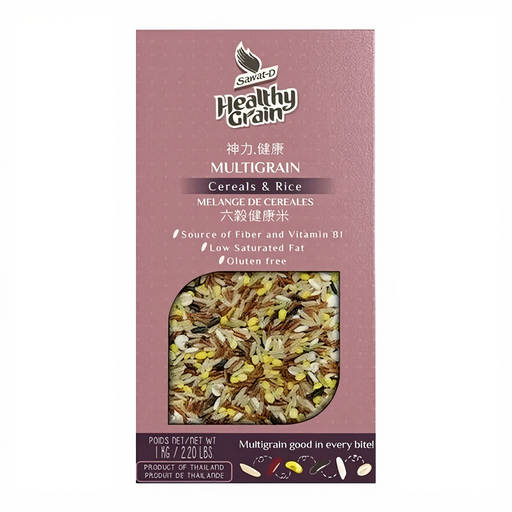
Why it suits this profile: A generously sized bag is suitable for households that regularly include Thai rice, pulses and mixed grains on the menu.
The preparation method specifies rinsing, soaking, cooking and resting. The ingredient mix may vary by region or batch, so check the current packaging for the exact composition.
Vacuum packaging; approximately 356 kcal, 10 grams of protein and 4.1 grams of fibre per 100 grams according to the product description; suitable for a rice cooker.
We have put together a complete, up-to-date list of products that fully meet these strict selection criteria and the applicable European safety regulations.
That depends on the ratio of rice, grains and pulses. Ideally, use a mixed-grain programme and follow the water ratio stated on the packaging. When trying a new mix, it is sensible to prepare a small quantity first.
Store unopened instant porridge and tinned porridge in a cool, dry place. Once opened, dry black rice and breakfast cereals should be sealed properly and kept away from moisture and heat. Consume opened ready-made porridge immediately and do not store it again.
Do not look only at the price per pack; consider the price per serving. A 1 kg bag may seem good value, but it still requires cooking time and water. A multipack of tins or cups may cost more per serving, but offers the convenience of keeping a stock and requires less preparation. This allows you to choose based on how you use the product, rather than simply judging it by the front of the packaging.
