
Anyone planning the Christmas table
For a shared brunch, soup course or cheeseboard, you’ll want to choose bread that suits the way you plan to serve it. A rustic shape, crust, sourdough or visible grains and seeds may all be worth considering.


For a Christmas breakfast or brunch where you’ll need plenty of slices, a wholemeal multigrain loaf is an obvious choice. For a cheeseboard or a table where everyone shares, the shape of a rustic sourdough or hearth-baked loaf may matter more. If you’d like to serve warm bread just before eating, consider a bake-at-home baguette and plan when to prepare it. According to the Netherlands Nutrition Centre, multigrain does not automatically mean wholemeal: check the ingredients and allergens too, and look for baker’s salt if that matters to your choice.
For a shared brunch, soup course or cheeseboard, you’ll want to choose bread that suits the way you plan to serve it. A rustic shape, crust, sourdough or visible grains and seeds may all be worth considering.
You’ll want to check whether the bread is actually wholemeal and compare its fibre per 100 g. According to the Netherlands Nutrition Centre, the term multigrain on its own says nothing about whether bread is wholemeal.
If ingredients or allergens affect your choice, you’ll need up-to-date information about the bread. You’ll also need to check each product if you want to know whether baker’s salt or iodised salt has been used.
First decide whether you’re looking for evenly sliced bread, a loaf to share or something warm to serve with soup and nibbles. Then compare the product description and label of breads that suit the occasion.
| What to consider | What to check before buying | Who it matters to |
|---|---|---|
| Shape and serving occasion | Check whether the bread is sliced or needs preparing. For bake-at-home bread, check the instructions and make sure you have enough oven space. | I want to serve bread with soup or at a shared Christmas table, so I need to know whether it’s ready to serve. For around 42% of consumers, the serving occasion comes first. |
| Wholemeal and fibre | Look for the wholemeal label and compare the stated fibre per 100 g on the same basis. According to the Netherlands Nutrition Centre, multigrain means that at least three types of grain have been used, not that the bread is wholemeal. | For my Christmas breakfast, I want to be able to choose wholemeal bread without relying on the word multigrain alone. Around 33% of consumers give this check priority. |
| Ingredients and salt | Read the latest allergen information; if the bread is sold loose, ask before buying. Check separately whether baker’s salt or iodised salt is listed. | If particular ingredients are decisive for me, I need to be able to assess the specific bread before buying it. Around 25% of consumers put this label check first. |
According to the Netherlands Nutrition Centre, multigrain refers to at least three types of grain. The term does not confirm that the bread is made exclusively with wholemeal flour.
If wholemeal is your main priority, check the product description and ingredients. Compare the fibre values per 100 g, if provided.
Bread made with several grains and seeds may contain ingredients that matter to someone at the table, including cereals containing gluten or sesame. The name of the bread doesn’t give you the full allergen list.
Read the current packaging. If the bread is sold loose, ask about the allergen information before buying, as recommended for consumers by the Netherlands Food and Consumer Product Safety Authority.
Under Dutch food regulations, baker’s salt is iodised table salt used for bakery products. The Netherlands Nutrition Centre says that bakers are not required to use it.
For packaged bread, check the ingredients for baker’s salt or iodised salt. If the bread is sold loose, ask the seller.
Bake-at-home bread needs oven or air fryer space shortly before the meal. For example, PLUS recommends baking a particular multigrain sourdough baguette in the oven for 8–10 minutes at 220 °C.
Check the instructions for the bread you buy and plan its preparation around the other dishes. If you don’t want to bake anything, choose bread that’s ready to serve.
According to Albert Heijn, its Liefde & Passie multigrain loaf is a rustic 550 g bread made with ingredients including wheat sourdough, sunflower seeds, sesame and sprouted rye grains.
Jumbo has described multigrain and wholemeal multigrain options for different occasions.
PLUS’s Korenlanders multigrain sourdough baguette is designed to be baked at home and could work well with soup or drinks and nibbles.
Dirk describes, among other options, a rustic 440 g bake-at-home multigrain baguette for sharing at the table.
ALDI lists options including farmhouse wholemeal multigrain bread, multigrain hearth bread and multigrain baguettes.
Lidl describes a rustic multigrain sourdough loaf with seeds, available through its shops.
This selection includes round loaves, baguettes to bake at home and multigrain triangles. Choose according to the portions you need and how much preparation you’re happy to do. The triangles are not a whole loaf or bake-at-home baguette. For the Lekhaven products, check the packaging to see whether the multigrain description, wholemeal status and preparation method match what you’re looking for.
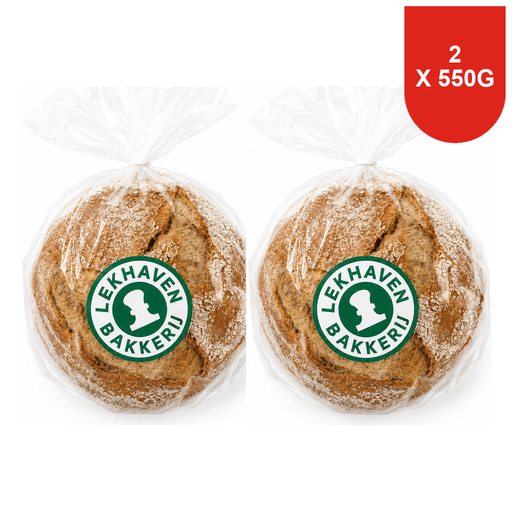 Image unavailable
These round loaves are ideal for a meal where you want to share bread at the table. The product description mentions sunflower, linseed and sesame seeds. Allow time and oven space to defrost and bake the loaves. Check the packaging for the types of grain, allergens, wholemeal status and salt used.
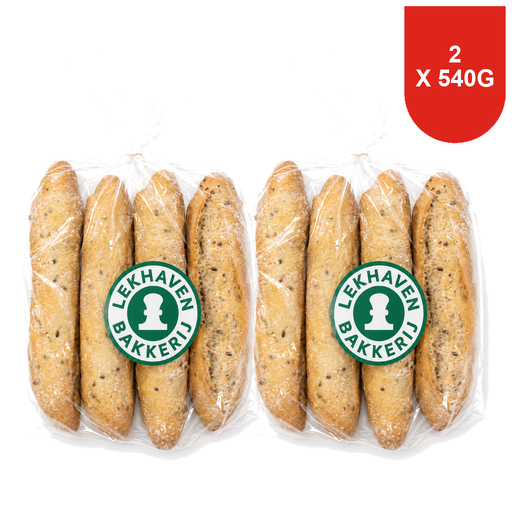 Image unavailable
These smaller baguettes are a good option if you’d like to serve individual portions of bread with soup or drinks and nibbles. The product information mentions sunflower, sesame and linseed. Allow time to defrost and bake, and check the packaging for preparation instructions, types of grain, allergens and salt.
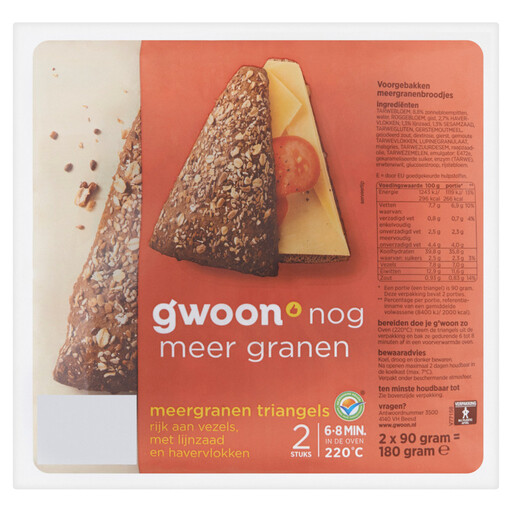 Image unavailable
These triangular snacks make handy smaller portions for a brunch table, but they’re not a substitute for a whole loaf or bake-at-home baguette. The product information lists wheat, rye, oats, millet and maize. If you have an allergy, check the current packaging for allergens including cereals containing gluten, lupin, milk, sesame and soya.
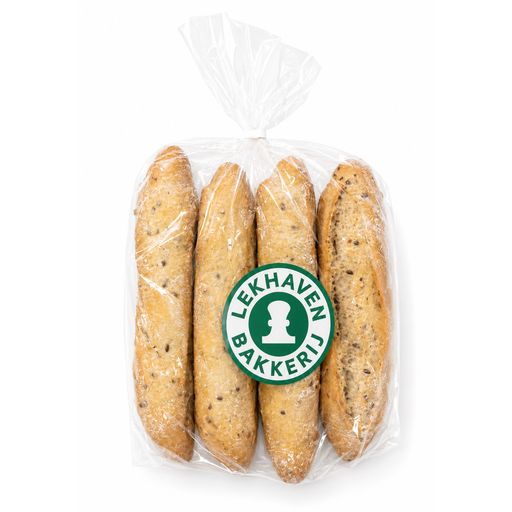 Image unavailable
These four baguettes are a good fit for an occasion where you want to bake individual portions of bread. The product information mentions sunflower, sesame and linseed seeds. Check the baking time on the packaging, as the stated instructions vary. Also check the types of grain, allergens, wholemeal status and salt.
 Image unavailable
Share this round loaf at the table if you’d rather not serve individual baguettes. The product information mentions sunflower, linseed and sesame seeds. Allow time to defrost and bake. Check the instructions on the packaging, as the stated baking times vary, and check the types of grain, allergens, wholemeal status and salt too.
No. According to the Netherlands Nutrition Centre, multigrain bread contains at least three types of grain, but the term doesn’t mean that the bread is wholemeal. Look for wholemeal in the product description and check the ingredients. Compare fibre per 100 g if that matters to you.
A bake-at-home baguette is a good choice if you want to serve warm bread and have space to prepare it just before the meal. Check the instructions for the product you choose. For a cheeseboard, you could also consider a rustic sourdough or hearth-baked loaf. A whole sliced loaf is more convenient if you mainly need even slices for breakfast or lunch.
No. Dutch food regulations define baker’s salt as iodised table salt for bakery products, but the Netherlands Nutrition Centre says bakers are not required to use it. For packaged bread, read the ingredients; if the bread is sold loose, ask which salt has been used.
For pre-packed bread, read the allergen information on the current label. If the bread is sold loose, ask the seller before buying. For multigrain bread, check which grains and seeds are in the specific recipe, and look out for the allergen statement and any warnings on the packaging.