
Hosts serving generously topped snacks
For topped or warm bites, you’ll want to know how the bread has been sliced. Ask for an unsliced loaf or check the slice thickness yourself; the term ‘multigrain’ doesn’t tell you anything about that.


For generously topped snacks, choose your multigrain bread only after checking whether you can get the thick slices you want or cut them yourself; ‘whole loaf’ and ‘hearty’ tell you nothing about slice thickness. If wholemeal matters to you, look specifically for that description and compare the nutritional information and allergens for the exact loaf.
For topped or warm bites, you’ll want to know how the bread has been sliced. Ask for an unsliced loaf or check the slice thickness yourself; the term ‘multigrain’ doesn’t tell you anything about that.
Multigrain and wholemeal don’t mean the same thing. According to the Dutch Nutrition Centre, ‘multigrain’ refers to different types of grain, while bread labelled ‘wholemeal’ is made from 100% wholemeal flour.
Check the ingredients and allergens for the exact loaf. If a guest needs to know whether it contains iodised salt, check which type of salt is listed on the label too.
First, decide what kind of slices you need for your snack table. Then compare the ingredients of suitable loaves and work out how much you’ll actually serve.
| What to consider | What to check when buying | Who it matters to |
|---|---|---|
| Slice thickness and how it’s cut | Look at the slices or ask whether you can get the loaf unsliced or thickly sliced. Check whether each slice will suit the toppings you have in mind. | For heavy or layered toppings, I want to be able to choose how thick the slices are. Around 36% of consumers give this the highest priority. |
| Wholemeal and nutritional value | Look for the term ‘wholemeal’ and compare the fibre and salt per 100 g on the label. | If wholemeal is my top priority, I don’t want to rely on the word ‘multigrain’ alone. For around 29% of consumers, this nutritional choice matters most. |
| Allergens and type of salt | Read the current ingredients and allergen information for the exact loaf; if necessary, check whether iodised salt has been used. | For guests with relevant allergies or a question about iodised salt, I need to be able to check the ingredients before serving. Around 21% of consumers put this check first. |
| Quantity and storage | Choose an appropriate amount of bread and follow the storage and freezing instructions on the packaging. | If I’m shopping well before the evening, I only want to buy bread that I can store according to the product instructions. This is the top priority for around 14% of consumers. |
According to the Dutch Nutrition Centre, multigrain means that the bread contains at least three types of grain; it doesn’t mean that it’s entirely wholemeal.
If you want wholemeal bread, look for that description on the loaf and then compare the nutritional information for each product.
A whole loaf may already be sliced. And the description ‘hearty’ doesn’t tell you how thick the slices are.
Check how it’s actually cut, or ask before buying whether the loaf is available unsliced or in your preferred thickness.
Grains and other potential allergens are also relevant in the Jumbo and PLUS product examples; visible seeds don’t tell the whole story.
Ask guests about any relevant allergies and read the current allergen information for the bread you’re planning to serve.
According to the Dutch Nutrition Centre, bread doesn’t have to be made with bakers’ salt. So the type of bread or the shop’s name won’t confirm which type of salt has been used.
If the type of salt matters to your choice, check the ingredients on the packaging or ask the baker.
These examples from shops can help you focus on the type of bread, how it’s cut and the information on the label. Check the details of the loaf you actually choose.
AH Vloerbrood meergranen heel is a brown multigrain loaf.
Jumbo Stevig Meergranen is described as a whole wholemeal multigrain loaf with seeds.
Lidl describes its multigrain bread as a hearty loaf containing wheat, barley and buckwheat, among other ingredients.
Aldi lists Luxe vloerbrood meergranen heel as a pre-sliced loaf.
PLUS Korenlanders Donker meergranen rond heel is described as a whole wholemeal multigrain loaf.
Dirk lists Bakker van der Akker Bakkers multigrain bread as available in half and whole loaves.
These two pack sizes from Lekhaven Bakkerij are worth considering if you’re looking for a round loaf for your snack table. Before buying, check the preparation and slicing options: the product name doesn’t confirm a specific slice thickness.
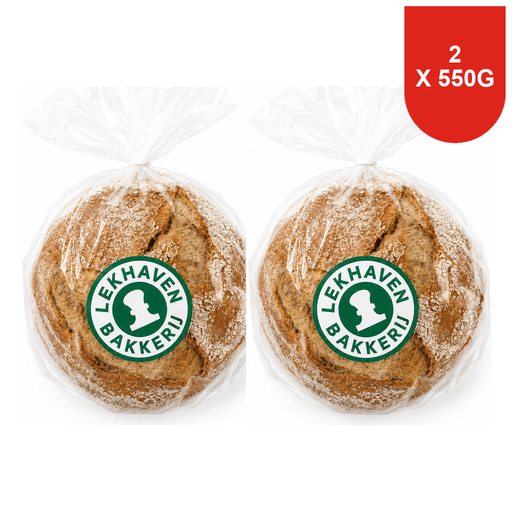 Image unavailable
This pack of two round loaves is an option if you need more bread for your snack table. Check whether you can cut them into the slices you want, and read the preparation instructions and allergen information before serving.
 Image unavailable
This 550 g round loaf is an option if one loaf is a better fit for the quantity you’ve planned. Check whether it can be sliced to suit your toppings and follow the preparation instructions. If you’re serving guests, check the current allergen information too.
No. According to the Dutch Nutrition Centre, ‘multigrain’ refers to at least three different types of grain; the term ‘wholemeal’ on bread means that it’s made from 100% wholemeal flour. So check the exact name and ingredients of the loaf you’re buying.
Check the slices yourself or ask whether you can get an unsliced loaf that you can cut to your preferred thickness. A whole loaf, a description such as ‘hearty’ or a round shape doesn’t, on its own, confirm the slice thickness.
No. According to the Dutch Nutrition Centre, using bakers’ salt in bread isn’t compulsory. Check the ingredients list or ask the baker which type of salt was used for that particular loaf.
Read the current allergen information for the exact loaf and ask guests which ingredients they need to avoid. The Jumbo and PLUS examples show that ingredients such as gluten-containing grains, sesame or soya may need attention in multigrain bread; don’t assume the same applies to another loaf.
Yes, as long as you store it according to the instructions for the loaf you’ve chosen. The Dutch Nutrition Centre recommends keeping opened wholemeal bread for 2–4 days in a kitchen cupboard or 1–3 months in the freezer. For a specific product, follow the packaging too, especially for defrosting and refreezing.