What should you look for when choosing?
If wholemeal is your main reason for buying, start by checking that the bread is labelled wholemeal. Then choose the right size and check the nutrition information and allergens for the loaf you’re actually buying.
| What to consider | What to check when buying | Who it matters to |
|---|
| Wholemeal and fibre |
Look for the wholemeal label and compare the fibre content per 100 g across similar bread products. |
For a shared breakfast, I want to know whether the multigrain bread is wholemeal too, rather than simply containing several grains. Around 42% of consumers put wholemeal and fibre at the top of their list. |
| Allergens |
Read the allergen information for the exact variant, including relevant details about possible presence. For unpackaged bread, ask the shop. |
If I need to avoid certain ingredients, I can’t rely on the name of the bread or the seeds I can see. For around 25% of consumers, checking allergens is the top priority. |
| Quantity and storage |
Choose between a whole loaf, half a loaf or rolls, and check the storage and any freezing instructions. |
When there are only a few of us at breakfast, I don’t want to be left with a whole loaf. Portion size and storage come first for around 17% of consumers. |
| Baker’s salt and salt information |
Check whether baker’s salt has been used and, if you wish, compare the salt content per 100 g. |
If I want to know whether my bread was made with baker’s salt, I can’t tell from the word ‘multigrain’ alone. Around 16% of consumers prioritise this information. |
According to the Netherlands Nutrition Centre, ‘multigrain’ means that bread is made from at least three different types of grain; the word doesn’t automatically mean that it is wholemeal. Kernels and seeds can change the composition, but they don’t replace the need to check the wholemeal base. The Netherlands Nutrition Centre also says that baker’s salt is not compulsory, so check the label or ask which salt was used if you’re buying unpackaged bread.
Relevant brands and supermarket ranges
These supermarkets offer types of bread you can compare for this breakfast. Always check the information for the specific variant rather than relying on the shop’s name alone.
Albert Heijn
Has separate categories for products including wholemeal bread and multigrain bread.
- The wholemeal bread category includes AH Extra lang lekker waldkorn volkoren heel.
- Albert Heijn notes that ingredients, nutritional values and allergens can change, so check the latest packaging.
Jumbo
Has a multigrain bread category, including Jumbo Boeren Donker Volkoren Meergranen.
- For this variant, Jumbo lists wholemeal wheat flour as an ingredient.
- The product information lists wheat, rye, barley and oats as gluten-containing grains. If you have an allergy, check the full, up-to-date declaration.
Lidl
Offers multigrain bread and a fresh-from-the-oven bread range for shoppers buying their weekend loaf in store.
- Lidl describes a multigrain bread made with ingredients including wheat, barley and buckwheat.
- Check the shelf or packaging information to see whether your chosen variant is wholemeal and which allergens apply.
ALDI
Offers, among other options, a whole Boeren volkoren meergranenbrood in its bread range.
- The product name includes both ‘wholemeal’ and ‘multigrain’, making it easy to search for this type of bread.
- Check the nutritional information for the loaf in store to compare fibre, salt and allergens.
PLUS
Offers wholemeal multigrain rolls and wholemeal multigrain part-baked bread as alternatives to a whole loaf.
- According to PLUS, Korenlanders Volkoren meergranenbollen can be frozen at home on the day of purchase.
- For your chosen rolls or part-baked variant, check the allergens and, for part-baked bread, the cooking instructions.
Dirk
Offers Bakker van der Akker Boeren volkoren heel, among other products, for anyone looking for a wholemeal loaf.
- Dirk describes this variant as bread for breakfast or lunch.
- Use the latest packaging to check the fibre, other nutritional values and allergens for your chosen variant.
Bread options on Joybuy
These are bread alternatives for weekend breakfast, not a selection of wholemeal multigrain breads. The wholemeal wheat breads offer a different type of loaf. Check separately whether the rye bread meets your requirements for wholemeal bread.
 Image unavailable
TastyBasics rye bread, 9 pieces
An option if you’re looking for individual pieces of rye bread for breakfast; this is not multigrain bread. If you’re looking for wholemeal bread, check the label on the packaging and read the allergen information.
View on Joybuy
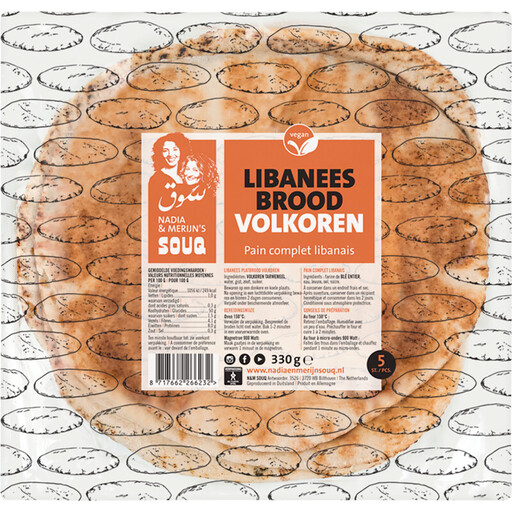 Image unavailable
Souq Lebanese Bread Whole Wheat, 6 stuks
A wholemeal wheat option if flatbread suits your breakfast better than a whole loaf. The pack contains six pieces. Check the storage instructions after opening and read the latest allergen information.
View on Joybuy
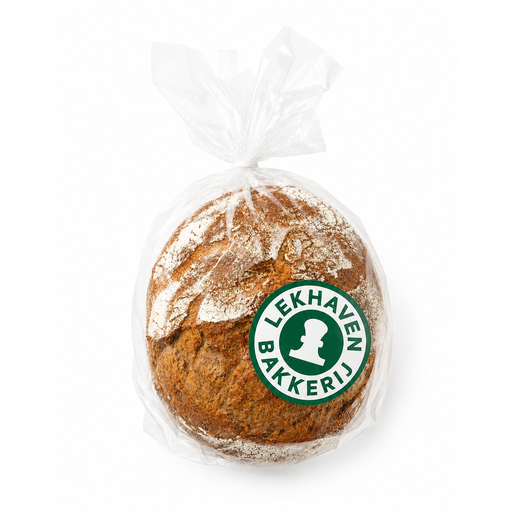 Image unavailable
Lekhaven Bakkerij Whole Wheat Country Round Bread, 550 g
A round wholemeal wheat loaf for anyone who wants to bake a single loaf for weekend breakfast; it isn’t a multigrain variant. The loaf weighs 550 g. Plan when to defrost and bake it using the instructions on the packaging, and check the latest allergen information.
View on Joybuy
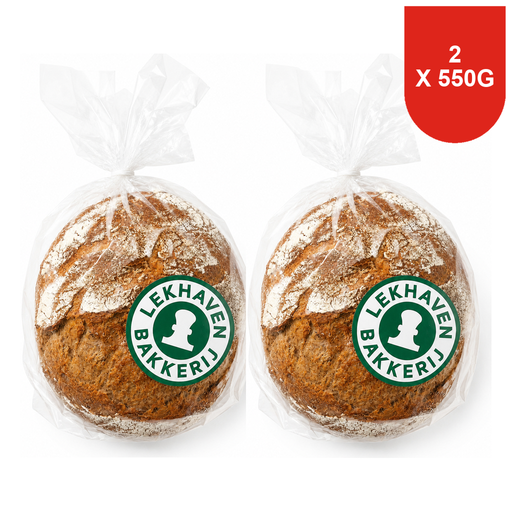 Image unavailable
Lekhaven Bakkerij Whole Wheat Country Round Bread, 2 × 550 g
The pack of two round wholemeal wheat loaves is a good choice if you need more bread or can store the rest; these aren’t multigrain variants. Each loaf weighs 550 g and needs to be defrosted and baked. Check the preparation, storage and allergen information for this pack.
View on Joybuy
Frequently asked questions
Is multigrain bread automatically wholemeal?
No. According to the Netherlands Nutrition Centre, multigrain refers to bread made with at least three different types of grain; it doesn’t automatically mean the bread has a wholemeal base. So look for the wholemeal label, then compare the ingredients and fibre content per 100 g.
Where can I find allergen information for unpackaged bread?
Ask the shop or baker before you buy. The Netherlands Food and Consumer Product Safety Authority says that allergen information must also be available for unpackaged products. For prepacked bread, you’ll find it on the label. Always check the exact variant.
Does bread always contain iodised baker’s salt?
No. According to the Netherlands Nutrition Centre, using baker’s salt is not compulsory. Check the ingredients on the label or ask whether baker’s salt has been used if you’re buying unpackaged bread.
What should I do with leftover wholemeal bread after the weekend?
If you won’t eat the bread in time, it’s best to freeze it in portions and follow the storage instructions on the packaging. The Netherlands Nutrition Centre’s Storage Guide recommends keeping opened wholemeal bread in a kitchen cupboard for 2–4 days or in the freezer for 1–3 months. Product-specific instructions may differ.


