Who are you choosing bread for?

Families with fussy bread eaters

Multigrain bread made with both white flour and wholemeal flour can be a stepping stone for people used to white bread. Check the ingredients and texture: the name ‘multigrain’ doesn’t tell you whether the crumb is mild.

Bread eaters who prioritise wholemeal and fibre

Look for bread explicitly labelled wholemeal and compare the fibre content per 100 g. That way, you can base your choice on the product itself rather than its colour.

Hosts serving savoury food

A multigrain cob loaf with grains and seeds can work well with herring, fish or other savoury toppings. Consider whether the texture will suit your guests, and check the allergen information too.

What should you look for when choosing?

First decide whether a mild crumb, a wholemeal base or serving bread at a shared table matters most. Then compare the packaging of breads that meet your needs.

What to consider What to check before buying Who it matters to
Crumb and bite Check whether the ingredients include both white flour and wholemeal flour, and consider how many seeds the bread contains. If someone is used to white bread, I look for a loaf whose flavour and texture aren’t too different. This gentler transition is the deciding factor for around 42% of consumers.
Wholemeal and fibre Look for the explicit ‘wholemeal’ label and compare the fibre content listed per 100 g. People who eat bread regularly and value the whole grain don’t want to judge by its dark colour. Around 33% of consumers put wholemeal and fibre first.
Serving and sharing Check whether the bread is whole or pre-sliced, and read the allergen information for your guests. For a Vlaggetjesdag table, I want bread that’s easy to share with savoury toppings, without overlooking my guests’ needs. This is the top priority for around 25% of consumers.

Common mistakes

  • Assuming dark or multigrain bread is wholemeal

    According to the Voedingscentrum, ‘multigrain’ refers to bread containing at least three types of grain; it doesn’t mean that all the flour used is wholemeal. A dark colour doesn’t tell you that either.

    Look for the ‘wholemeal’ label, read the ingredients and compare the fibre content per 100 g if that’s your main criterion.

  • Choosing bread for fussy eaters based only on the seeds

    Bread with lots of visible seeds can feel different from what these eaters are used to. A celebratory presentation says little about whether they’ll like the crumb.

    As well as checking the ingredients, consider the texture and thickness of the slices. A smaller loaf can be handy if you’re not sure whether they’ll like it.

  • Guessing allergens from the bread’s name

    The grains and other ingredients used vary from one multigrain bread to another. The name alone won’t tell your guests which allergens may be present.

    Read the current packaging. If the bread isn’t packaged, ask for the allergen information before serving it.

  • Assuming every loaf contains iodised baker’s salt

    The Dutch 2008 Bakers’ Salt Use Agreement encourages the use of iodised salt in bread-making. According to brood.net professionals, using salt containing iodine isn’t a legal requirement.

    Check the bread’s ingredients list if the type of salt used matters to you.

Brands to consider

Albert Heijn

Albert Heijn offers multigrain cob loaves, among other options, and provides information about bread made with white flour, wholemeal flour or a mix of the two.

  • For AH Vloerbrood meergranen heel, Albert Heijn lists 31% wholemeal wheat flour and 30% wheat flour: a clear example of a blend.
  • Check the packaging of the loaf you buy, as ingredient and allergen information can change.

Jumbo

Jumbo offers multigrain bread in several varieties. Product information can help you compare wholemeal flour and fibre content.

  • For Jumbo Volkoren Meergranen Brood, Jumbo listed 40% wholemeal wheat flour and 7,8 g of fibre per 100 g.
  • That particular bread was no longer available online; compare the information with that of a loaf you’re actually considering buying.

Lidl

Lidl describes its multigrain bread as a hearty loaf containing wheat, barley and buckwheat, among other ingredients.

  • The description gives you a useful starting point if you’re looking for a loaf made with different grains.
  • Check the current ingredients, allergen and nutritional information in store before comparing it with another loaf.

Aldi

Aldi describes both a farmhouse wholemeal multigrain loaf and a premium multigrain cob loaf.

  • According to Aldi, the premium cob loaf contains grains and seeds and comes pre-sliced, which may be useful for sharing.
  • Don’t assume the cob loaf is wholemeal or allergen-free based on information about the other variety; check the label on the loaf you choose.

PLUS

PLUS offers sourdough multigrain bread with buckwheat, brown multigrain varieties and packaged multigrain bread, among other options.

  • These different styles give you options for choosing between everyday bread and a loaf to serve at the table.
  • Compare the ingredients, fibre, salt and allergens listed for the specific loaf.

Dirk

Dirk describes its multigrain cob loaf as hearty and packed with grains and seeds.

  • This product description may be useful if you’re considering a loaf with a pronounced texture to serve with savoury toppings.
  • The description doesn’t confirm that the cob loaf is wholemeal or suitable for guests with allergies, so check the packaging.

Multigrain bread and rolls at Joybuy

This selection includes individual multigrain rolls, baguettes and a round loaf for sharing. Choose the format that suits how you plan to serve it, and check the ingredients separately if a wholemeal base or a mild crumb is important to you.
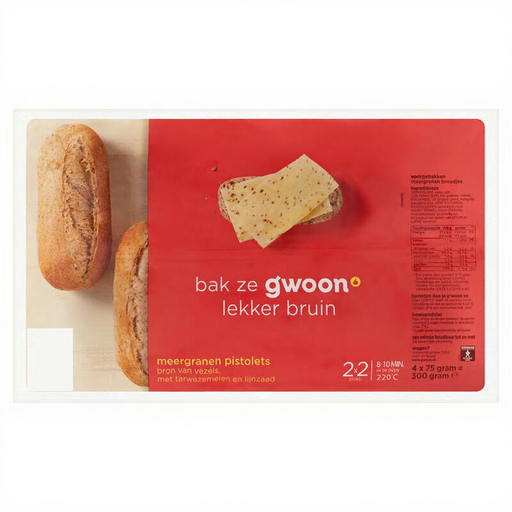
g'woon Multigrain Rolls, four rolls

g'woon Multigrain Rolls, 4 rolls

Four individual rolls are a handy option if you want to serve portions at the table.

If you’re choosing based on wholemeal flour, fibre or allergens, check the current packaging. Consider whether the crumb will suit fussy eaters too.

View at Joybuy
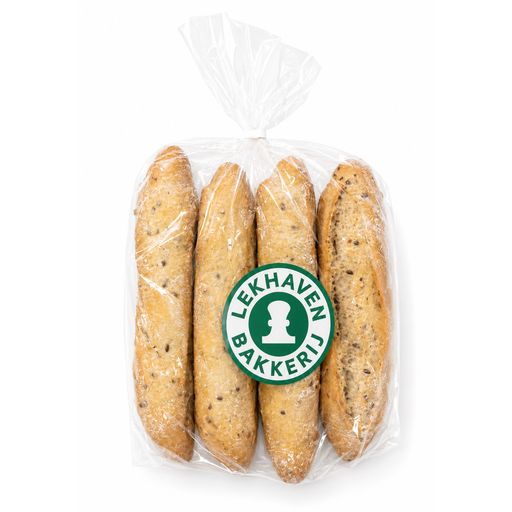
Lekhaven Bakkerij Multigrain Rustic Baguette, four 135 g baguettes

Lekhaven Bakkerij Multigrain Rustic Baguette, 4 × 135 g

Four individual baguettes are a good fit for a table where you want to serve bread one piece at a time.

Allow time to defrost and bake, and follow the packaging for the baking time. Check it for allergen information and, if it matters to you, the types of flour used.

View at Joybuy

Lekhaven Bakkerij Multigrain Country Bread Round, 550 g round loaf

Lekhaven Bakkerij Multigrain Country Bread Round, 550 g

This round loaf is a good option if you want to slice it yourself for a shared table of savoury food.

When serving, allow time to defrost, bake and cool before slicing. Check the packaging for allergens and types of flour, and see whether the bread is already sliced.

View at Joybuy

Frequently asked questions

Is multigrain bread always wholemeal?

No. According to the Voedingscentrum, multigrain bread contains at least three types of grain, but it can be made with wholemeal flour, white flour or a mix of the two. Look for the explicit ‘wholemeal’ label and check the ingredients if the whole grain matters to your choice.

Which multigrain bread goes well with savoury toppings for Vlaggetjesdag?

A hearty multigrain loaf or cob loaf can work well if you want to serve slices with savoury toppings. Check whether it’s pre-sliced or looks easy to slice. If your guests prefer a fine crumb, don’t choose based only on visible seeds.

Is iodised baker’s salt required in Dutch bread?

No, it isn’t a general requirement for every loaf. The Dutch 2008 Bakers’ Salt Use Agreement encourages the use of iodised salt; according to brood.net professionals, using salt containing iodine isn’t a legal requirement. Check the ingredients list for the specific loaf if this matters to your choice.

How do I check for allergens in multigrain bread?

Read the current allergen information for the bread you’ve chosen, even if you’ve already looked at the product description. Different loaves can contain different grains and other ingredients. If the bread isn’t packaged, ask for the allergen information before serving it to guests.

Can I freeze wholemeal bread ahead of a celebratory meal?

Yes. According to the Voedingscentrum, you can keep opened wholemeal bread in the freezer for 1 to 3 months. Plan defrosting and any baking around the bread you’ve bought, and follow the instructions on the packaging.
