What should you look for when choosing?
First decide whether you want to cut the slices yourself or serve the bread straight away. Then compare the quantity and the label: these are separate considerations from slice thickness.
| What to consider | What to check when buying | Who it matters to |
|---|
| Choosing the slice thickness yourself |
Choose a whole, unsliced loaf if you want to cut it yourself; ask the bakery counter what slicing options are available. |
I want generous slices with my split pea soup, without being restricted to a pre-cut thickness. For around 36% of consumers, choosing their own slice thickness would be the top priority. |
| Wholemeal and fibre |
Look for the word ‘wholemeal’ in the product description and, if needed, compare the stated fibre per 100 g. |
I want to be sure my multigrain bread is wholemeal too; its dark colour or visible seeds don’t prove that. Around 29% of consumers would put wholemeal information first. |
| Convenience and quantity |
Compare whole, half and pre-sliced loaves; check the storage instructions if you have any bread left over. |
For a small soup meal, I don’t want to prepare or store more bread than I need. The right quantity or the convenience of serving it straight away would matter most to around 21% of consumers. |
| Ingredients and labelling |
Read the allergen information and check the salt per 100 g, including whether baker’s salt or iodised salt is listed. |
I want to know what’s in the bread before I buy it, especially if an ingredient or allergen matters to me. For around 14% of consumers, checking the label would be their main concern. |
Brands to compare
These examples show the types of loaf and label information you can compare; a product name alone doesn’t guarantee thick slices.
Albert Heijn
AH OerDesem donker meergranen is a sliced wholemeal multigrain sourdough loaf.
- Albert Heijn lists this loaf as 800 g and provides ingredients and nutritional information, including 6.6 g of fibre and 0.85 g of salt per 100 g.
- ‘Whole, sliced’ means a whole loaf that has been sliced, not that you can still choose the thickness yourself.
Jumbo
Jumbo’s bread range includes Stevig Meergranen and a wholemeal multigrain variety.
- The range includes whole, half and sliced loaves.
- Check the slice thickness and ingredients of the loaf you choose; ‘Stevig Meergranen’ doesn’t indicate a particular thickness.
Lidl
The half loaf of donker meergranenbrood is an option if a whole loaf would be too much for your meal.
- Lidl describes the 400 g half loaf as containing, among other ingredients, wheat, barley and buckwheat.
- The half-size format doesn’t confirm that the individual slices are thick; check the current label for allergens and nutritional values.
ALDI
ALDI offers a half boeren volkoren meergranenbrood for anyone looking for a smaller quantity.
- ALDI describes this bread as sliced and wholemeal.
- You’ll still need to check the slice thickness and ingredients of the loaf you choose.
PLUS
Korenlanders donker meergranen rond heel is labelled as wholemeal multigrain bread.
- PLUS lists the ingredients, allergen information, 6.8 g of fibre and 1.02 g of salt per 100 g for this loaf.
- Check that the loaf you buy is unsliced if you want to choose the thickness yourself; ‘round whole loaf’ doesn’t indicate a particular slice thickness.
Dirk
Bakker van der Akker’s whole multigrain hearth loaf is worth considering if you want to cut your own slices.
- Dirk describes the hearth loaf as hearty and filled with grains and seeds.
- Decide for yourself what slice thickness you want, and check the product information when you buy for ingredients, allergens and nutritional values.
Multigrain products on Joybuy
These breads are options if you want to cut your own slices after preparing them to serve with split pea soup. The two round loaves and the baguettes differ in shape and pack size; none of the product names promises a particular slice thickness.
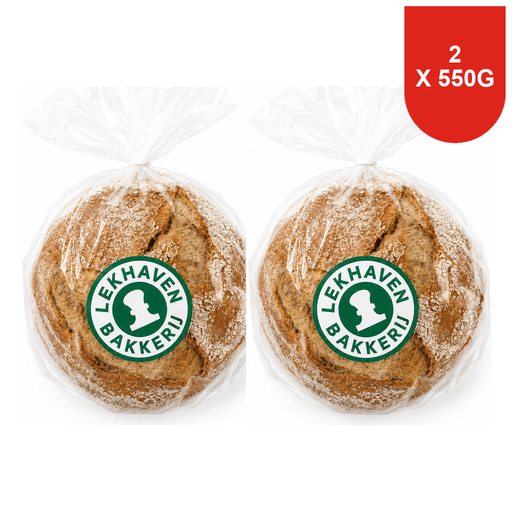 Image unavailable
Lekhaven Bakkerij round multigrain bread, 2 × 550 g
An option if you want to cut your own slices for more than one soup meal. Allow time to defrost, bake and cool before slicing; check the packaging for allergens and whether the bread is wholemeal.
View on Joybuy
 Image unavailable
Lekhaven Bakkerij round multigrain bread, 550 g
A round loaf for anyone who wants to choose the slice thickness after preparing it. Let it cool after defrosting and baking before you slice it; check the current label for ingredients, allergens and nutritional information.
View on Joybuy
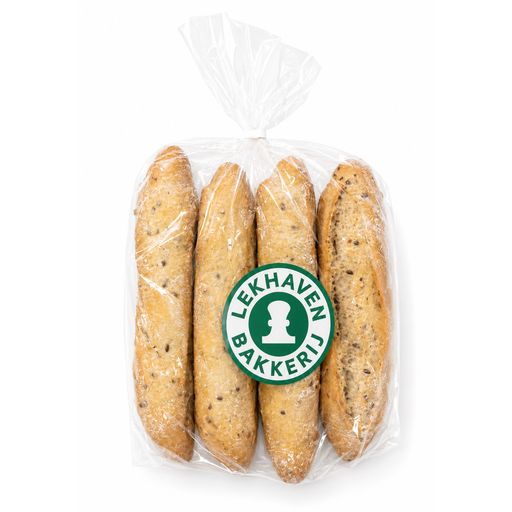 Image unavailable
Lekhaven Bakkerij multigrain baguettes, 4 × 135 g
A baguette-style option if you want to cut your own bread to serve with soup but would prefer a different shape from a round loaf. Allow time to defrost and bake; check the ingredients and allergens before buying, and decide for yourself whether the shape works for the slices you want.
View on Joybuy
Frequently asked questions
How can I get thick slices of multigrain bread to serve with split pea soup?
Choose a whole, unsliced loaf and cut it to your preferred thickness. If you’d like the bread sliced for you, ask the bakery counter about the available options first; ‘hearty’ on the packaging doesn’t indicate a particular thickness.
Is multigrain bread always wholemeal?
No, ‘multigrain’ doesn’t automatically mean ‘wholemeal’. Look for the wholemeal label on the specific loaf and read the ingredients list if the types of grain matter to your choice.
Does all multigrain bread contain iodised salt?
Don’t assume it does; check the ingredients of the bread you buy. Albert Heijn lists iodised salt in AH OerDesem donker meergranen, while PLUS lists baker’s salt in Korenlanders donker meergranen, but these product details don’t apply to every loaf.
Where can I check allergens in bread from the bakery counter?
For pre-packed bread, check the label. For unpackaged bread, ask for allergen information before you buy; according to the Netherlands Food and Consumer Product Safety Authority, this information must also be available for unpackaged bread.
What should I do with leftover wholemeal bread?
Divide the bread into portions if you want to freeze it, and follow the storage instructions on the packaging. The Voedingscentrum’s storage guide recommends keeping wholemeal bread in a kitchen cupboard for 2–4 days or in the freezer for 1–3 months.


