
For sharing a loaf at the table
You’re looking for a whole, hearty loaf to slice or serve alongside your split pea soup. A hearth loaf or rustic sourdough is worth considering; also check that the ingredients meet your needs.


If you want to serve a whole loaf with split pea soup, consider the loaf’s shape and the description of its texture. If wholemeal flour, fibre or organic certification matters more to you, check those features separately: the terms ‘multigrain’ and ‘sourdough’ don’t tell you this automatically. Always check the current label for salt and allergens.
You’re looking for a whole, hearty loaf to slice or serve alongside your split pea soup. A hearth loaf or rustic sourdough is worth considering; also check that the ingredients meet your needs.
Look beyond the multigrain label and compare the bread description, ingredients and fibre per 100 g. According to the Netherlands Nutrition Centre, wholemeal bread contains more fibre, vitamins and minerals than other types of bread.
You want to know which allergens the bread contains and what type of salt has been used before you buy. For bread containing several grains or seeds, the current ingredients and allergen information matter more than its appearance or product name.
First decide whether you’re mainly looking for a loaf to share at the table, a clearly labelled wholemeal loaf or bread with specific information on the label. Organic ingredients, sourdough and a rustic shape can go together, but on their own they don’t tell you anything conclusive about the other features.
| What to consider | What to check before buying | Who it matters to |
|---|---|---|
| Shape and texture | Consider whether you want to serve a whole loaf, a hearth loaf or individual rolls, and whether it needs baking. | If I want to share bread at the table with soup, I look for a shape that suits the meal. Around 42% of consumers prioritise presentation and texture. |
| Wholemeal flour and fibre | Check the wholemeal description and ingredients; compare fibre on the same basis, per 100 g. | What matters most to me is what’s in the bread, not just how rustic it looks. Around 33% of consumers prioritise wholemeal and fibre content. |
| Salt and allergens | Read the current ingredients and allergen information. If necessary, check the salt per 100 g and look for ‘baker’s salt’ or ‘iodised salt’. | If I need to watch out for particular ingredients, I want to be able to check the label before choosing a loaf. This is the top priority for around 25% of consumers. |
The presence of several grains or seeds doesn’t tell you whether the flour used is wholemeal. So the bread may have a different composition from what you expect based on the front of the pack.
Look for a wholemeal description, read the ingredients list and, if you wish, compare the fibre per 100 g.
According to the Netherlands Nutrition Centre, bakers aren’t required to use baker’s salt. The word ‘organic’ doesn’t tell you which salt is in a particular loaf either.
If this information matters to you, look for ‘baker’s salt’ or ‘iodised salt’ in the ingredients list.
‘Rustic’, ‘sourdough’ and ‘multigrain’ don’t mean that a bread is free from allergens. The grains and seeds used vary from product to product.
Check the current allergen information for the exact variety you’re buying.
Ingredients and nutritional information can change. If you’re buying a loaf ahead of time, its storage and preparation instructions are also important.
Compare products online, but read the current packaging before buying and check how to store or prepare the bread.
These brands offer different options for the type of bread you might serve with split pea soup. Always compare the specific variety, not just the brand.
Its range includes a dark wholemeal multigrain OerDesem and an organic multigrain OerDesem variety.
Its range includes Korenlanders Desem Meergranen Boekweit, a sourdough bread with buckwheat, as well as multigrain bread to bake at home.
Its range includes a whole multigrain hearth loaf from Bakker van der Akker, an option for sharing with soup.
Its range includes a premium multigrain hearth loaf and a farmhouse wholemeal multigrain loaf.
Its range includes a rustic multigrain sourdough with kernels and seeds, for anyone who wants to serve this style of bread with soup.
Its range has included various multigrain breads, including a dark wholemeal loaf and a whole multigrain loaf.
These options include round loaves to share, rustic baguettes and individual rolls. Focus on the shape and preparation that suit your split pea soup meal; always check the current packaging for wholemeal flour and allergens.
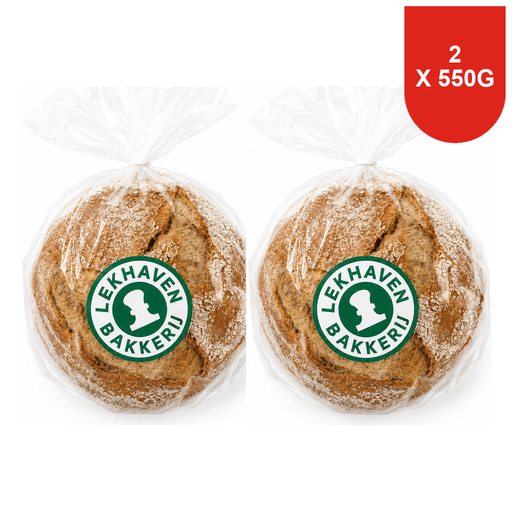 No image available
A round loaf to share at the table with split pea soup. Allow time to defrost, bake and cool before serving. If wholemeal flour, allergens or iodised salt are important to your choice, check the current label.
 No image available
A round loaf for anyone who wants to serve bread at the table with soup and has time to defrost and bake it. Check the packaging for the baking time, as the product information gives different timings. Also check the ingredients and allergens on the label.
 No image available
Baguettes for anyone who prefers to serve smaller pieces of bread alongside soup. Defrosting and baking take a little preparation. Check the packaging for the total quantity, as the title and description give different amounts. Also check the current label for wholemeal flour and allergens.
 No image available
Individual rolls for anyone who doesn’t want to serve a whole loaf alongside split pea soup. The product information lists iodised salt, but the information about sesame is inconsistent. So check the current packaging carefully, especially if sesame matters to your choice; check the types of flour listed there too.
No. ‘Multigrain’ doesn’t automatically mean that the grains used are wholemeal. Check the bread description and ingredients list; the Netherlands Nutrition Centre describes wholemeal bread as bread made from the entire grain.
A whole hearth loaf or round loaf is an option if you want to share bread at the table; individual rolls work well if you’d rather serve everyone their own. For bake-at-home bread, allow for the required defrosting and preparation time, and check the label before choosing a specific variety.
No. According to the Netherlands Nutrition Centre, bakers aren’t required to use baker’s salt. If it matters to your purchase, look for ‘baker’s salt’ or ‘iodised salt’ in the ingredients list of the loaf you choose.
No. The Netherlands Nutrition Centre says that organic bread usually contains non-iodised salt, but Albert Heijn lists iodised salt in its organic multigrain OerDesem. So check the label for the specific variety.
Yes, if the storage and preparation instructions for the loaf you choose fit your plans. Check the packaging to see whether the bread needs to be frozen, defrosted or baked, and allow time for these steps before serving.