When you do your initial food shop, choose multigrain bread to suit the meal: a whole sourdough or hearth loaf can take pride of place on the table, while bake-at-home bread is ideal if you want to prepare it just before serving. Also check the quantity, ingredients and nutritional information; ‘multigrain’ does not automatically mean ‘wholemeal’. If you need to avoid gluten, choose only a product clearly labelled gluten-free and check the latest allergen information.
Who is this choice relevant to?
If you’re hosting a special meal
For a lunch to share, a soup supper or a drinks gathering, think about how the bread will look on the table and when you’ll serve it. A whole hearth loaf, sourdough loaf or bake-at-home option each involves a different balance of presentation, preparation and quantity.
If you want to compare wholemeal bread and nutritional information
A dark colour or visible seeds doesn’t tell you whether multigrain bread is wholemeal. Check the product description and ingredients, and compare fibre and salt on the same basis, for example per 100 g.
If you need to avoid gluten
Standard multigrain bread isn’t automatically gluten-free. Look for a product explicitly labelled gluten-free and check the other allergens on the current packaging or in the shop’s product information.
What should you look for when choosing?
First decide what part the bread will play in the meal and how much you’ll need. Then compare the preparation, nutritional information and allergens of the products you’re considering.
| What to consider |
What to check when buying |
Who should bear this in mind? |
| Appearance and flavour |
Look at the shape of the loaf, its crust, the grains and seeds listed, and whether a whole or sliced loaf would work better for serving. |
For a meal with guests, I want to choose bread that has a place on the table too, without buying more than we’ll eat. Around 36% of consumers prioritise appearance or flavour. |
| Wholemeal ingredients and nutritional information |
Look for a wholemeal claim and check the ingredients; compare fibre and salt only when the quantities are stated on the same basis, such as per 100 g. |
If the ingredients are my first consideration, I don’t want to rely on a dark colour or visible seeds. Around 29% of consumers prioritise wholemeal ingredients or nutritional information. |
| Preparation and serving time |
For bake-at-home bread, check the instructions on the packaging and make sure you have enough oven space. |
I want to prepare the bread just before the meal, but I may also need the oven for other dishes. For around 21% of consumers, serving time is the main consideration. |
| Gluten and other allergens |
Read the latest allergen information; if the bread is sold loose, ask before buying. |
If I need to avoid an allergen, the label on the bread I choose must suit that need. Around 14% of consumers give this check the highest priority. |
Common mistakes
-
Assuming ‘multigrain’ means ‘wholemeal’
According to the Voedingscentrum, multigrain bread contains at least three different types of grain. The term alone doesn’t mean that the bread is wholemeal.
If wholemeal is what you’re looking for, check the product description and ingredients rather than relying on the colour or name.
-
Judging nutritional information by a rustic appearance
A crusty loaf, sourdough or visible seeds may suit the meal you have in mind, but they don’t tell you how much fibre or salt the bread contains.
Compare the nutritional information for each bread per 100 g, where the values are given on the same basis.
-
Overlooking allergens in bread sold loose
The grains and seeds you can see don’t give you the full picture of allergens. This is especially important if someone at the table needs to avoid an ingredient.
For packaged bread, read the label. If the bread is sold loose, ask about allergens before buying; the Netherlands Food and Consumer Product Safety Authority explains the information requirements for sellers of unpackaged food.
-
Buying a whole loaf without planning how much you need
A large loaf can work well for a meal shared with others, but if there are only a few of you, you may have some left over. The Voedingscentrum lists bread as a product that is often wasted.
Choose a whole loaf, half loaf or individual bake-at-home portions to suit the number of people eating. If you want to store the bread, follow the instructions for the product you’ve chosen.
Brands and shops to consider
These product ranges offer different options for a special meal. Check the latest packaging and shop information for each loaf before comparing ingredients, nutritional values or preparation instructions.
Albert Heijn
Albert Heijn describes both Liefde & Passie multigrain sourdough and multigrain hearth loaves for anyone who wants to serve a whole or rustic-style loaf.
- The product descriptions distinguish between sourdough and a hearth loaf, whose crust is highlighted by Albert Heijn.
- Check the latest ingredients and allergen information for the loaf you choose; its appearance doesn’t tell you whether it’s wholemeal.
Jumbo
Jumbo lists products including Volkoren Donker Meergranen and Lo-Sel Meergranenbrood, two options to assess using their individual nutritional information.
- The individual product pages provide information about fibre and salt.
- Compare values only when the quantity they relate to is clear and the same; check the current range too.
Lidl
Lidl describes a 600 g organic rustic multigrain sourdough loaf with seeds as an in-store product.
- The stated loaf shape and quantity can help you plan a meal for several people.
- Lidl says its oven-fresh range may vary from one branch to another; check the packaging for ingredients, allergens and nutritional information.
ALDI
ALDI describes a pre-sliced multigrain hearth loaf and a farmhouse wholemeal multigrain loaf.
- The distinction between a hearth loaf and a wholemeal loaf lets you assess presentation and the ingredients you want separately.
- Check the packaging of the option you choose for the full ingredients, allergen information and nutritional values.
PLUS
PLUS lists products including Korenlanders Donker multigrain bread, multigrain bake-at-home baguettes and a Schär option labelled gluten-free.
- For Korenlanders, PLUS lists 50% wholemeal wheat flour in the ingredients; it also gives oven instructions for the bake-at-home baguettes.
- This information relates to different products. Assess preparation, nutritional information and allergens for each pack you choose.
Dirk
Dirk describes a whole multigrain hearth loaf and a half multigrain loaf from Bakker van der Akker.
- A whole or half loaf gives you different quantities to suit the number of people eating.
- Use the latest product information to compare ingredients, allergens and nutritional values.
Multigrain bread to bake at home
These Joybuy options are baguettes and round multigrain loaves for baking at home shortly before serving. Choose a quantity to suit the number of people eating and check the baking instructions on the packaging; these products aren’t a comparison of wholemeal or gluten-free options.
 No image available
Lekhaven Bakery Multigrain Rustic Baguette 4 × 135 g
Four individual baguettes, making it easier to plan how much bread you need for a meal to share. Check the baking time and temperature on the latest packaging before deciding when to serve them.
View at Joybuy
 No image available
Lekhaven Bakery Multigrain Country Bread Round 550 g
A round loaf for anyone who wants to serve one whole loaf with the meal. Check the latest packaging for baking instructions and choose a quantity to suit your group.
View at Joybuy
 No image available
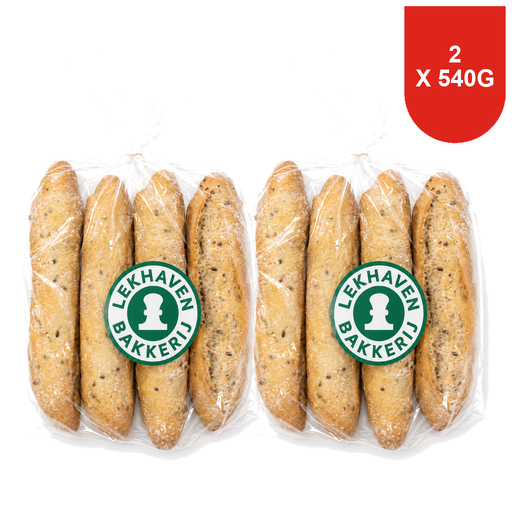
Lekhaven Bakery Multigrain Rustic Baguette 2 × (4 × 135 g)
The twin pack contains eight baguettes in total, making it a good option for a meal where you want to plan for more individual portions. Before buying, work out how many you need and follow the preparation and storage instructions on the packaging.
View at Joybuy
 No image available
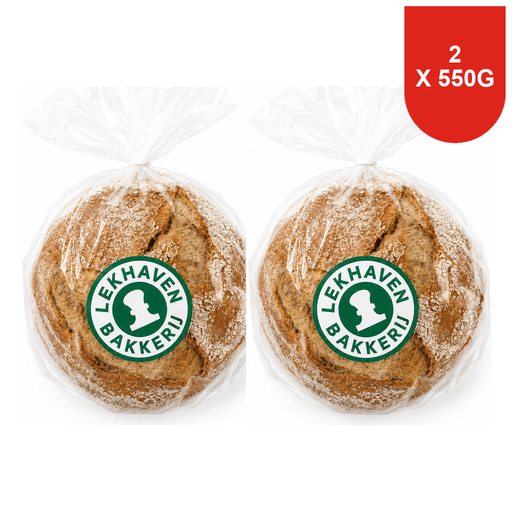
Lekhaven Bakery Multigrain Country Bread Round 2 × 550 g
Two round loaves for a meal where one might not be enough. If there are only a few of you, bear in mind that you may have some left over, and check the product’s preparation and storage instructions.
View at Joybuy
Frequently asked questions
Is multigrain bread automatically wholemeal?
No, multigrain bread isn’t automatically wholemeal. According to the Voedingscentrum, multigrain bread contains at least three different types of grain. If you’re looking for wholemeal bread, check the product description and ingredients of the specific loaf.
How should I store a whole loaf if the meal is later?
First check the storage instructions for the bread you’ve chosen. If it’s suitable for freezing, freeze it on the day you buy it. PLUS says this is an option for Korenlanders Donker multigrain bread; for the loaf you buy, also follow the instructions for defrosting and use.
Can I ask about allergens in bread sold loose?
Yes. Before you buy, ask which allergens the loose bread contains. The Netherlands Food and Consumer Product Safety Authority explains that sellers of unpackaged food must provide this information; don’t rely solely on the grains or seeds you can see.


