If you’re looking for a soft slice of bread for a picky eater to enjoy as a late-night snack, don’t choose by colour or the word ‘multigrain’ alone. If a wholemeal base matters, check that the specific loaf is labelled wholemeal, then compare its ingredients, fibre per 100 g and allergen information. The Netherlands Nutrition Centre stresses that multigrain bread doesn’t automatically have the same composition as wholemeal bread.
Who is this bread choice relevant to?
Fussy late-night snackers
If you enjoy a soft, familiar slice of bread, look for a wholemeal multigrain loaf with a texture you like. Check whether it is wholemeal separately: the word ‘multigrain’ or a dark colour doesn’t tell you enough about the ingredients.
People comparing fibre content
If fibre is important when choosing bread, compare the wholemeal label, ingredients and nutritional information per 100 g. That way, you’re comparing specific loaves rather than just their colour or the types of grain they contain.
People who need to check allergens
If you have a relevant allergy or need to follow a gluten-free diet, the allergen information for the specific loaf is what matters. Multigrain bread may contain gluten-containing cereals, so check the packaging for other allergens too.
What should you look for when buying?
First decide whether a soft texture or a clearly labelled wholemeal base matters most. Then compare the packaging of loaves that match your preference. If you need to check for an allergy, product suitability always comes first.
| What to consider |
What to check when buying |
Who it matters to |
| Wholemeal base and fibre |
Look for the wholemeal label, read the ingredients and compare fibre per 100 g. |
When I choose bread for a late-night snack, I want to see whether it really is wholemeal rather than relying on the word ‘multigrain’. For around 50% of consumers, this check would be the top buying priority. |
| Soft, familiar texture |
Check the product description and type of bread; assess texture separately from whether it is wholemeal. |
For a fussy eater, I look for a slice with an appealing texture, while also checking the ingredients. This would be the top priority for around 33% of consumers. |
| Allergens and labelling |
Read the allergen information and ingredients for the specific loaf; you may also want to compare salt per 100 g. |
If I need to choose bread because of an allergy or dietary restriction, I want to know whether the product is suitable before buying it. For around 17% of consumers, this check would be the first requirement. |
Common mistakes
-
Assuming multigrain means wholemeal
Using several types of grain doesn’t mean that the bread is made exclusively with wholemeal flour. According to the Netherlands Nutrition Centre, multigrain bread may also be made with white flour.
Check the wholemeal label and ingredients, and use the fibre value per 100 g to compare specific products.
-
Judging dark bread by its colour
The colour of Waldkorn bread doesn’t tell you how much wholemeal flour it contains. Albert Heijn explains that it may be made with wholemeal flour, white flour or a mix of both.
Read the ingredients and nutritional information for the loaf you want to buy, even if the crust is dark.
-
Guessing allergens from the type of bread
The ingredients in multigrain bread vary from one product to another. The name of a type of bread is therefore no substitute for checking the allergen information.
Check the current packaging every time you buy. If you need to eat gluten-free, only rely on a product with clear, relevant information stating that it is suitable.
-
Buying a whole loaf for the occasional late-night snack
If you only have a slice now and then, a whole loaf may not keep for as long as you need it to.
Divide the loaf into portions after buying it and freeze any you won’t use soon. Throw away bread that has gone mouldy.
Brands to consider
Albert Heijn
The AH Zaans Multigrain Whole Loaf is a useful example of a bread described as soft that you can compare with its label information.
- Albert Heijn provides the ingredients, allergen information and nutritional details for this product, including fibre and salt.
- Check the current packaging before making your choice: product information can change, and this particular loaf doesn’t tell you anything about the composition of other Albert Heijn breads.
Multigrain products for a planned late-night snack
These rolls, round loaves and baguettes are options if you’re considering multigrain bread for a late-night snack. Check the ingredients of each product if a wholemeal base matters; for bake-at-home products, allow time for preparation too.
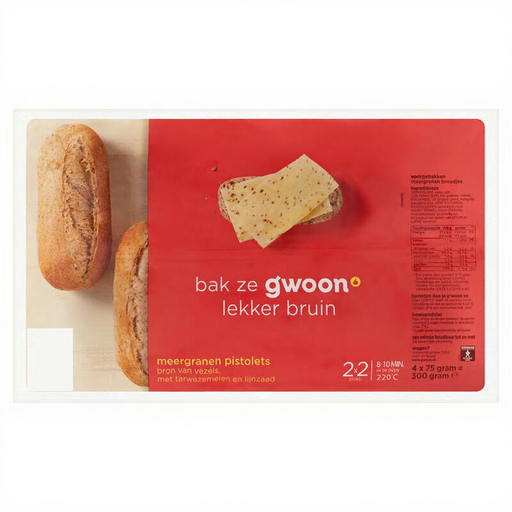 Image unavailable
g'woon multigrain rolls, 4 pieces
Four individual rolls are handy when you don’t want to cut into a whole loaf for a snack. Check the ingredients if you’re looking for wholemeal bread, and read the current allergen information if you have an allergy.
View at Joybuy
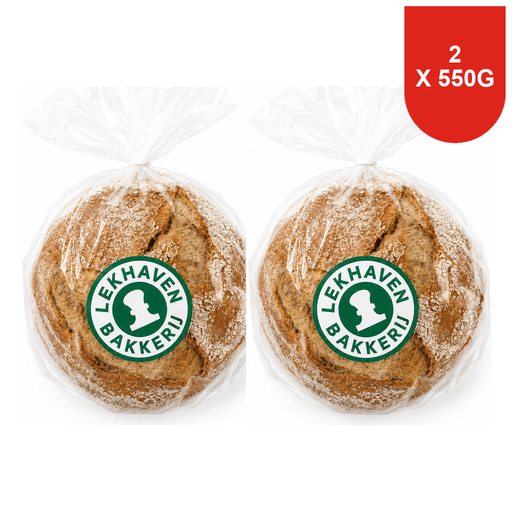 Image unavailable
Lekhaven Bakkerij round multigrain country loaf, 2 × 550 g
This round loaf is suited to a snack you’ve planned in advance: allow time to defrost and bake it, and follow the preparation instructions on the packaging. The product title states 2 × 550 g; check the ingredients if wholemeal is your priority.
View at Joybuy
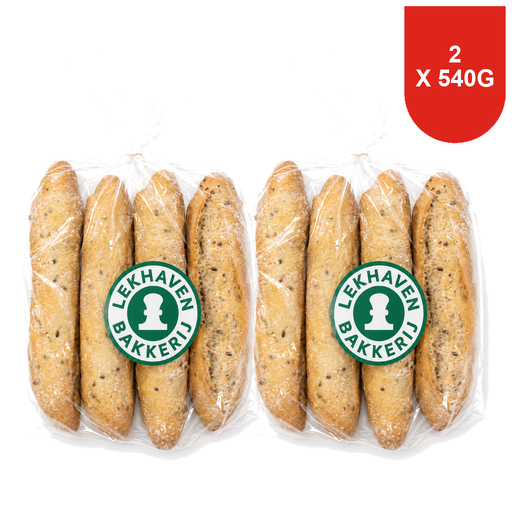 Image unavailable
Lekhaven Bakkerij rustic multigrain baguette, 4 × 135 g × 2
These bake-at-home baguettes need to be prepared before you can enjoy them as a late-night snack. The product title states 4 × 135 g × 2; check the total pack quantity and baking time on the packaging.
View at Joybuy
 Image unavailable
Lekhaven Bakkerij round multigrain country loaf, 550 g
This round loaf also needs to be defrosted and baked, so plan your snack in advance. The product title states 550 g; check the preparation instructions, ingredients and allergens on the packaging.
View at Joybuy
Frequently asked questions
Is multigrain bread automatically wholemeal?
No. The word ‘multigrain’ doesn’t mean that the bread is made entirely with wholemeal flour. The Netherlands Nutrition Centre distinguishes between multigrain bread and wholemeal bread, so check the product name and ingredients of the loaf you choose.
How should I store bread for the occasional late-night snack?
Freeze portions if you won’t use the bread within a few days. The Netherlands Nutrition Centre says wholemeal bread keeps for 2–4 days in a kitchen cupboard and 1–3 months in the freezer. Also follow the instructions and use-by date on the packaging of your loaf.
How can I tell whether my multigrain bread contains iodised salt?
Look for iodised salt in the ingredients list for the specific loaf. It is listed as an ingredient in the Albert Heijn product described here, but you can’t assume that other multigrain breads contain it.
Is ordinary multigrain bread suitable for people with coeliac disease?
Don’t assume so: multigrain bread may contain gluten-containing cereals. The Netherlands Nutrition Centre notes that gluten is relevant for people with coeliac disease, so check whether the specific loaf is explicitly labelled gluten-free and read the current allergen information.


