
Fussy eaters
For snack night, it matters whether the bread’s shape and texture work with the snacks and suit the group. Bread labelled multigrain isn’t automatically wholemeal, so consider taste preferences and wholemeal status separately.


For snack night, choose a bread shape and texture that suit the people you’re serving. But if you want wholemeal bread, don’t rely on its dark colour or the word ‘multigrain’—check the product name and ingredients instead. If you want to serve the bread warm, factor in how it needs to be prepared. Check the allergen information for the group too, and look for a mention of baker’s salt if that matters to your choice.
For snack night, it matters whether the bread’s shape and texture work with the snacks and suit the group. Bread labelled multigrain isn’t automatically wholemeal, so consider taste preferences and wholemeal status separately.
If you want to use the same bread beyond snack night, compare the wholemeal claim and fibre per 100 g. This is a more reliable guide than the crust’s colour or whether the bread contains seeds.
Bake-at-home bread works well for an evening when you can pop it in the oven or air fryer just before eating. The cooking instructions, available space and allergen information will help you decide whether a particular option suits the group.
First decide whether wholemeal is a must-have or whether bread shape and texture matter more to you. Then check whether the bread can go straight on the table and whether everyone can eat it.
| What to consider | What to check when buying | Who is this important to? |
|---|---|---|
| Wholemeal and fibre | Look for an explicit wholemeal claim, check the ingredients and compare fibre on the same basis, per 100 g. | If I want to use this bread after snack night too, I want to know whether it really is wholemeal. For around 29% of consumers, wholemeal and fibre are the top priorities. |
| Flavour and texture | Choose a bread shape and ingredients that suit the group’s preferences; don’t assume the flavour will be mild just because the name says ‘multigrain’. | When sharing snacks, I want to serve bread with a texture the group will enjoy. Around 29% of consumers put flavour preferences first. |
| Serving it warm | Check whether the bread needs baking and look at the product-specific cooking time, temperature and equipment required. | I want the bread to be ready at the same time as the hot snacks, without oven space becoming a problem. This is the top priority for around 24% of consumers. |
| Allergens and salt | Read the latest allergen and ingredient information, or ask for it if the bread is unpackaged. If you’re interested in iodised salt, look for ‘baker’s salt’ or ‘iodised salt’. | Before I buy bread for the group, I need to be able to check which allergens and what type of salt it contains. For around 18% of consumers, this information comes first. |
According to the Netherlands Nutrition Centre, multigrain bread contains at least three different types of grain. That alone doesn’t tell you whether the bread is wholemeal. So check the description for the specific loaf, even if it’s dark or has lots of seeds.
Multigrain describes the types of grain used, not whether the whole grain has been used. A dark colour and visible seeds don’t answer that question either.
Look for an explicit wholemeal claim, and check the ingredients and fibre per 100 g if these matter to your choice.
According to the Netherlands Nutrition Centre, bread doesn’t have to be made with baker’s salt. So the word ‘multigrain’ won’t tell you whether iodised salt has been used.
Check the ingredients for ‘baker’s salt’ or ‘iodised salt’, or ask if the bread is unpackaged.
Ingredients and the possibility of traces vary from one bread to another. A description such as ‘multigrain’ isn’t enough to determine whether someone with an allergy can eat it.
Read the latest allergen information for the specific product, and ask about anything relevant to the group if the bread is unpackaged.
Bake-at-home bread needs to fit in alongside heating the snacks; oven space and cooking time can make all the difference.
Read the instructions for your chosen bread in advance. If you don’t have enough time or space, choose bread that’s ready to serve straight away.
You’ll find a range of bread shapes and multigrain descriptions at these retailers. Compare the information for the specific bread you want to buy; a brand name doesn’t tell you whether every product in its range is wholemeal or allergen-free.
Albert Heijn offers, among other options, Zaans multigrain bread, hearth-baked bread, dark multigrain bread and multigrain rolls.
Jumbo Stevig Meergranen is a specific loaf with listed ingredients and nutritional values.
Lidl describes a freshly baked multigrain bread containing, among other ingredients, wheat, barley and buckwheat.
ALDI offers both boeren wholemeal multigrain bread and multigrain baguettes with seeds.
PLUS offers a whole dark multigrain loaf and separate bake-at-home wholemeal multigrain baguettes.
At Dirk, multigrain bread sits alongside Multikorn options labelled as wholemeal.
These rolls, baguettes and round loaves are options to serve with snacks. Compare the quantity you need and check the packaging for each product if wholemeal status, allergens or preparation instructions are key to your choice.
 Image unavailable
Four individual rolls are a good option if you want to serve separate portions with the snacks.
Check the latest packaging for a wholemeal claim and allergen information before choosing them for the group.
 Image unavailable
You can serve the four baguettes individually alongside shared snacks.
If you want to serve them warm, follow the thawing and baking instructions on the packaging. Check the wholemeal claim and allergen information there too.
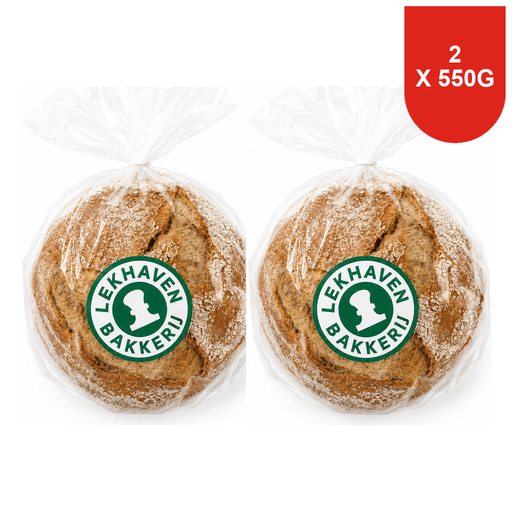 Image unavailable
Two round loaves let you serve sliced bread to a larger group.
If you’re baking them at home, allow time and oven space according to the packaging. Check the wholemeal claim and allergen information for this option too.
 Image unavailable
One round loaf is a good option if you want to serve sliced bread with the snacks.
Follow any thawing and baking instructions on the packaging, and check the latest wholemeal and allergen information.
No. According to the Netherlands Nutrition Centre, multigrain means the bread contains at least three types of grain; it doesn’t tell you whether wholemeal flour has been used. If you want wholemeal bread, look for an explicit claim and check the ingredients.
No. The Netherlands Nutrition Centre explains that using baker’s salt isn’t compulsory. If this matters to your choice, look for ‘baker’s salt’ or ‘iodised salt’ on the label, or ask if the bread is unpackaged.
Before buying, ask for the allergen information for the specific bread and whether it may contain traces that are relevant to the people you’re serving. For prepacked bread, the Netherlands Food and Consumer Product Safety Authority says allergen information is shown on the label.
For PLUS Baguettes volkoren meergranen, PLUS recommends 8–10 minutes at 220 °C in a preheated oven, or 5–6 minutes at 200 °C in a preheated air fryer. For other baguettes, follow the instructions on their own packaging.
You can, if the storage instructions for your chosen bread allow it. For Korenlanders Donker meergranen rond heel, PLUS recommends freezing it on the day of purchase and using it within one month. Check the instructions for other breads.