
For sharing bread at the table
A whole, rustic multigrain loaf is a good choice if you want to serve slices with dips, soup or toppings. Think about how you’ll slice it and when you’ll need the bread, too.


Choose a rustic whole multigrain loaf if you want to slice and share the bread at the table. If you’d like to serve it warm just before eating, bake-at-home multigrain baguettes are a better fit, provided you have time and an oven or air fryer. For both options, check the wholemeal designation, nutritional information per 100 g and allergens separately; the name ‘multigrain’ doesn’t tell you everything you need to know.
A whole, rustic multigrain loaf is a good choice if you want to serve slices with dips, soup or toppings. Think about how you’ll slice it and when you’ll need the bread, too.
If the ingredients matter more to you than visible seeds, check the wholemeal designation and fibre per 100 g. According to the Netherlands Nutrition Centre, wholemeal bread is made from 100% wholemeal flour.
If a guest has a gluten or allergen requirement, the current packaging is what matters. Bread made with several grains isn’t automatically gluten-free, and gluten-free bread isn’t automatically free from other allergens.
First decide whether you want to share a whole loaf or bake the bread just before eating. Then assess its ingredients and any allergen requirements separately from how you plan to serve it.
| What to consider | What to check when buying | Especially relevant for |
|---|---|---|
| Wholemeal content and fibre | Look for the ‘wholemeal’ designation and compare fibre per 100 g; visible seeds don’t tell you how much wholemeal flour the bread contains. | I don’t want to rely on the name ‘multigrain’ alone; I want to know which bread suits my preference for wholemeal. This is the top priority for around 40% of consumers. |
| Shape and serving time | Choose between a whole loaf to slice and bake-at-home baguettes; for bake-at-home bread, check which appliance you need and the preparation instructions. | If I want to serve warm bread, baking it needs to fit into my plans; for a sharing board, I’d rather choose a whole loaf. Serving time is the main priority for around 30% of consumers. |
| Gluten and other allergens | Read the current ingredients and allergen information, including ‘may contain’ statements. If gluten-free is essential, look for an explicit gluten-free designation. | I first need to check that the bread meets my guest’s gluten or allergen requirements, whatever my serving plans. This check is the most important factor for around 30% of consumers. |
Using several types of grain doesn’t automatically make a loaf wholemeal. According to the Netherlands Nutrition Centre, wholemeal bread is made from 100% wholemeal flour.
Check the product description and ingredients, and compare fibre on the same 100 g basis.
A rustic look doesn’t tell you how much fibre or salt a loaf contains, or which allergens it includes.
As well as the product description, read the nutritional information and allergen details on the current packaging.
An explicitly labelled gluten-free multigrain loaf may contain other allergens. For Schär Meesterbakker Mehrkorn, PLUS product information lists soya and the possible presence of lupin, mustard and sesame.
Check all the information on the packaging for every relevant allergy, even if ‘gluten-free’ appears on the front.
You may have bread left over if you buy a whole loaf or a pack containing several pieces.
Choose an appropriate quantity or freeze portions for later. Follow the product’s storage instructions.
The breads listed here show different serving formats and product descriptions. Always compare the specific loaf rather than choosing on brand name alone.
Albert Heijn describes AH Liefde & Passie Meergranen gesneden as a rustic sourdough loaf, baked on a stone oven floor.
Jumbo offers multigrain breads with different product descriptions and nutritional values, including a dark wholemeal loaf.
Lidl describes a 600 g organic brown sourdough multigrain loaf with seeds.
PLUS product information includes both wholemeal multigrain bake-at-home baguettes and dark multigrain bread.
PLUS product information describes Schär Meesterbakker Mehrkorn as gluten-free multigrain bread.
These Joybuy products are bake-at-home multigrain breads: small baguettes to serve individually and round loaves to share. For both, plan ahead for thawing and baking before serving.
 Image unavailable
These four baguettes are a good choice if you want to serve bread in individual portions.
Thaw them before baking. Check the current packaging for the baking time, and also check the wholemeal designation, nutritional information and allergens if these matter to your choice.
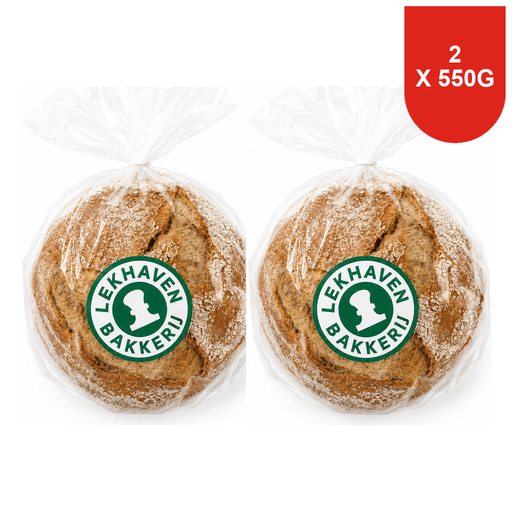 Image unavailable
The round shape makes this a good choice if you want to slice and share a loaf with your meal.
This bread needs a little preparation: thaw it, bake it according to the product instructions and allow time for it to cool. Check the packaging for the wholemeal designation, nutritional information and allergens if these affect your choice.
No. According to the Netherlands Nutrition Centre, wholemeal bread is made from 100% wholemeal flour; ‘multigrain’ simply means that several types of grain are used. So check the wholemeal designation on the specific loaf.
Compare the amount of salt per 100 g in the current nutritional information for both breads. This means you’re comparing the same amount of product, even if the loaves or portions are different sizes.
Check the current ingredients list, the allergens listed and any ‘may contain’ information for each loaf. A gluten-free designation alone doesn’t tell you whether other allergens are present.
Yes, you can freeze bread in portions. The Netherlands Nutrition Centre recommends storing wholemeal bread in the freezer for 1–3 months; also follow the instructions on the packaging of the bread you buy.