
Shopping for a small top-up
You need bread for today or the next few days and want to choose a size you can finish or store. So check the number of items or slices, and the storage instructions.


For a small top-up shop, a size you can finish or store is often more practical than a loaf that leaves you with lots of leftovers. Also check separately whether the bread is wholemeal, compare fibre per 100 g if that matters to you, and read the ingredients and allergen information for your chosen variety if you have dietary requirements.
You need bread for today or the next few days and want to choose a size you can finish or store. So check the number of items or slices, and the storage instructions.
You’re looking for bread for everyday use and want to know more than the name ‘multigrain’ tells you. Check whether it’s labelled wholemeal and compare fibre on a like-for-like basis, such as per 100 g.
You’re keeping an eye out for cereals containing gluten or other allergens in the exact variety you’re buying. An explicit gluten-free label doesn’t mean you can skip checking for other allergens.
First decide how much bread you need. Then check the wholemeal labelling, nutritional information and any allergens listed on the packaging.
| What to consider | What to check when buying | Who is this most important for? |
|---|---|---|
| Suitable size | Check the number of items or slices, the weight and the storage instructions. | I only need bread for a few meals and don’t want lots left over; around 56% of consumers would consider a suitable portion size the main priority. |
| Wholemeal and fibre | Look for the wholemeal label and compare fibre per 100 g on the packaging. | I want to know what’s behind the name ‘multigrain’ for my everyday sandwiches; around 33% of consumers would prioritise wholemeal status and fibre content. |
| Gluten and allergens | Read the ingredients and allergen list for your chosen variety; check for an explicit gluten-free label if necessary. | If I need to avoid certain ingredients, the label is decisive, even on bread called ‘multigrain’; around 11% of consumers would make this their first concern when buying. |
A whole loaf, half a loaf and individual rolls won’t necessarily provide the same number of servings. A large pack can be inconvenient if you only need bread for a short time.
Check the weight and storage instructions. Buy a size you can finish, or check whether and when you can freeze the remainder.
According to the Netherlands Nutrition Centre, multigrain bread is made with at least three types of grain. The name alone doesn’t tell you whether the bread is wholemeal.
Look separately for the wholemeal label on the packaging, and check the ingredients and fibre per 100 g if these matter to your choice.
Gluten-free multigrain bread may still contain other allergens. Regular multigrain breads also vary in the grains and seeds they contain.
Read the current ingredients and allergen information for every variety you choose, even if you’ve bought the product before.
These examples show the product information you can compare across different types of bread. Always check the current label for the variety you choose.
Jumbo offers both wholemeal multigrain bread and a variety with seeds.
Albert Heijn offers, among other products, a whole multigrain loaf and an individual multigrain triangle roll.
The Korenlanders range includes, among other products, dark multigrain bread and sourdough varieties.
Lidl offers freshly baked and pre-packaged loaves.
Schär is a relevant range if you’re specifically looking for gluten-free multigrain bread.
This selection includes rolls for a small top-up and multigrain bread that needs to be baked at home. For larger packs in particular, check what you can store and prepare.
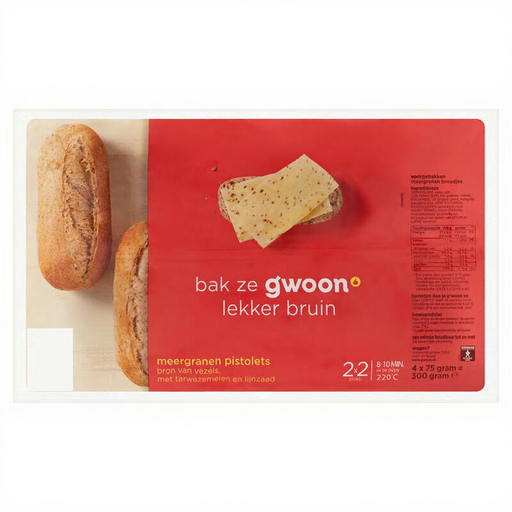 Image unavailable
A pack of four rolls may be suitable for a small top-up. Check the pack weight if portion size matters to your choice.
If you have allergies, read the current ingredients and allergen information on the packaging.
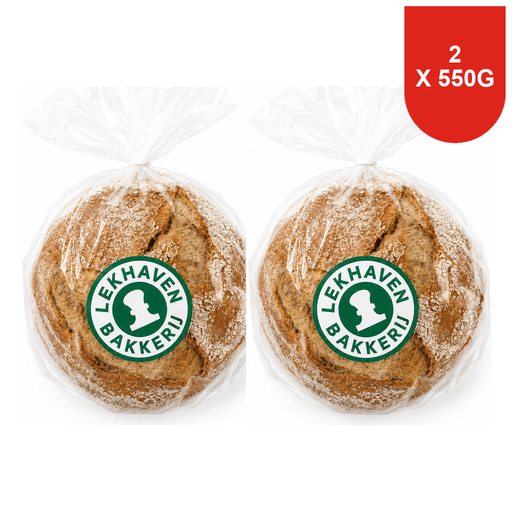 Image unavailable
Two round multigrain loaves may suit you if you want to store bread for several meals. They need to be thawed and baked before use, so bear this in mind if you’re looking for a quick top-up.
Check the baking instructions and current allergen information on the packaging.
 Image unavailable
This 550 g round multigrain loaf is a separate option for several meals. It needs to be thawed and baked before use.
Check the baking time on the packaging and, if you have allergies, read the current allergen information.
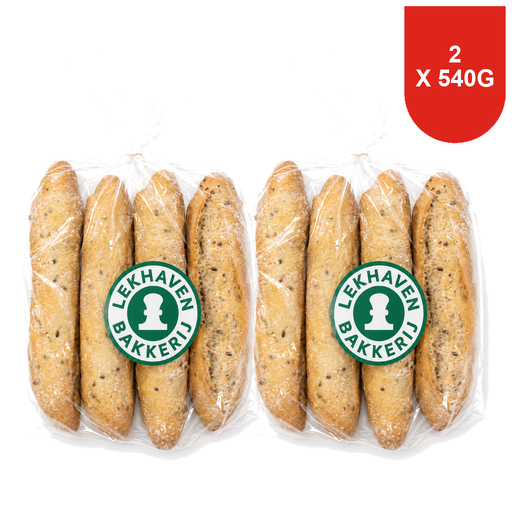 Image unavailable
These multigrain baguettes are intended to be thawed and baked at home. Check the number of items and total weight on the packaging, as the multipack description is unclear.
Follow the baking instructions and, if you have allergies, read the current allergen information.
No. According to the Netherlands Nutrition Centre, multigrain bread contains at least three different types of grain; that doesn’t mean it’s wholemeal. Look separately for the wholemeal label on the packaging and, if you wish, compare the fibre per 100 g.
You can’t tell from the name ‘multigrain’. Check the ingredients for something such as baker’s salt or iodised salt; AH Boeren donker meergranen lists iodised salt.
Choose a smaller pack or follow the freezing instructions for the specific bread. PLUS says to freeze Korenlanders Donker meergranen on the day you buy it and use it within one month.
If you need to eat gluten-free, only choose bread with an explicit gluten-free label; the name ‘multigrain’ doesn’t tell you anything about this. Also check the other allergens on the current packaging, even for a gluten-free variety.