What should you look for when choosing?
First decide whether a wholemeal base or a milder bread is your priority. Then compare the nutritional information and check the label of your chosen product before buying.
| What to consider |
What to check when buying |
Who it matters to |
| Wholemeal content and fibre |
Check for the ‘wholemeal’ label, the order of ingredients and the amount of fibre per 100 g. |
If wholemeal bread is the priority at the table, I want to know whether wholemeal flour really is the main ingredient. Around 42% of consumers are said to consider this their main reason for buying. |
| A milder bread |
Check the balance of wholemeal flour and white flour; don’t judge by the dark colour or seeds alone. |
If those around the table are used to white bread, I’m looking for a mix they’ll be willing to try, without assuming that ‘multigrain’ means wholemeal. Around 33% of consumers are said to prioritise this middle ground. |
| Allergens and baker’s salt |
Read the allergen statement, including ‘may contain’ information, and look for baker’s salt or iodised salt if needed. |
If an ingredient must be avoided or the type of salt matters, I want to be able to check the exact packaging. This is said to be the first priority for around 25% of consumers. |
When comparing fibre, it’s important to use the same basis. Jumbo lists 8.6 g of fibre per 100 g for Stevig Meergranen, while PLUS lists 7.8 g per 100 g for Korenlanders Volkoren meergranenbollen. PLUS Korenlanders Desem Meergranen Boekweit lists 4.9 g per 100 g and, according to the product information, contains both wholemeal wheat flour and white wheat flour. These figures describe these particular products; they don’t predict which texture or taste those around your table will enjoy.
For a platter where everyone helps themselves, individual rolls are a different option from a whole loaf that you slice. The shape alone doesn’t tell you whether the bread has a wholemeal base: check the ingredients and nutritional information per 100 g for small rolls too.
Brands and shops to consider
Compare specific loaves in each range: ingredients, nutritional values and allergens can vary even between products from the same shop.
Jumbo
Jumbo provides product information that lets you assess loaves such as Stevig Meergranen by their ingredients and nutritional values.
- For Jumbo Stevig Meergranen, Jumbo lists 43% wholemeal wheat flour, 8.6 g of fibre and 0.96 g of salt per 100 g.
- The listed ingredients include wheat, barley, sesame and soya. Check the current product if allergens are a concern.
PLUS
The multigrain rolls and sourdough multigrain bread reviewed at PLUS show why you should assess the bread’s format and ingredients separately.
- PLUS lists 45% wholemeal wheat flour and 7.8 g of fibre per 100 g for Korenlanders Volkoren meergranenbollen.
- According to PLUS, Korenlanders Desem Meergranen Boekweit contains 21% wholemeal wheat flour and 17% white wheat flour, with 4.9 g of fibre per 100 g. The products reviewed also have different allergen statements.
Albert Heijn
Albert Heijn’s explanation of Waldkorn helps you avoid confusing a bread’s name and appearance with its ingredients.
- According to Albert Heijn, Waldkorn bread can be made with wholemeal flour, white flour or a combination of the two.
- A dark colour is no substitute for checking the ingredients list or nutritional information for a specific product.
Lidl
For Lidl’s multigrain bread, the information on the packaging is a practical starting point for comparison.
- Check the ingredients, allergens and nutritional values on the product you choose.
- For nutritional information on many food products, Lidl Customer Services refers customers to product information other than a general online ingredients list. So use the current packaging to help you decide what to buy.
Multigrain bread at Joybuy
These products offer two formats for your Sinterklaas table: individual multigrain rolls or baguettes to share, and round loaves to slice yourself. Check the ingredients and fibre per 100 g when choosing; the shape alone doesn’t tell you whether a loaf is wholemeal or mild in flavour.
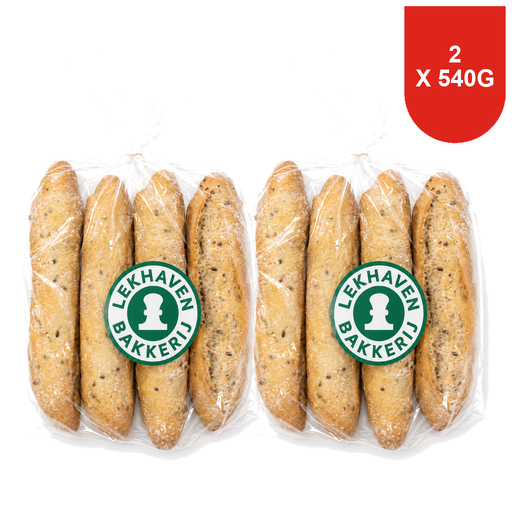 Image unavailable
Lekhaven Bakkerij Multigrain Rustic Baguette, 135 g
An individual baguette can be a good choice if you’d like to share the bread around the table. Check how many baguettes are in the pack before buying, as the listed quantities vary.
If you’re choosing wholemeal bread, compare the ingredients and fibre per 100 g on the packaging, and read the current allergen statement.
View at Joybuy
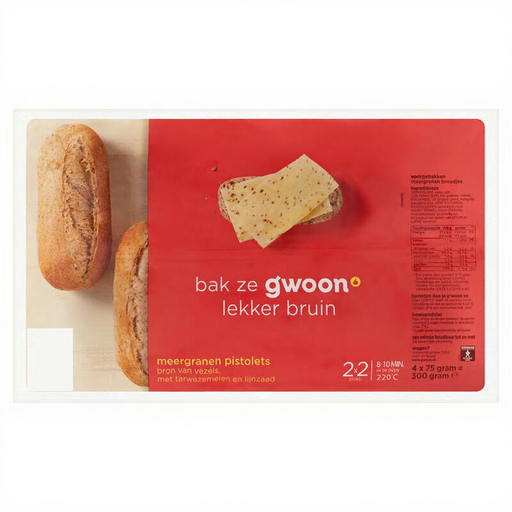 Image unavailable
g'woon Multigrain Rolls, 4 pieces
Four individual rolls are a handy option if you want to serve smaller portions. The listed ingredients include white wheat flour; if a wholemeal base matters to you, check the current ingredients and fibre per 100 g.
The product information is unclear about whether it contains sesame. So read the allergen statement on the packaging, especially if sesame needs to be avoided.
View at Joybuy
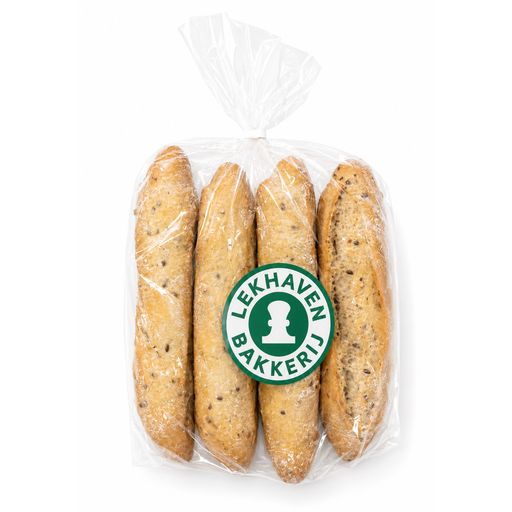 Image unavailable
Lekhaven Bakkerij Multigrain Rustic Baguette, 4 × 135 g
Four individual baguettes are handy for a table where you’d like to share the bread out one at a time and bake them just before serving. Follow the preparation instructions on the packaging, as the listed baking times vary.
Also check the current allergen statement and compare the ingredients and fibre per 100 g before considering this a wholemeal option.
View at Joybuy
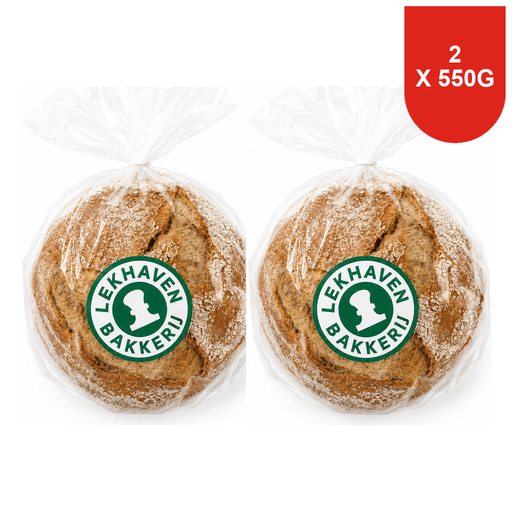 Image unavailable
Lekhaven Bakkerij Multigrain Country Bread Round, 2 × 550 g
Once baked, you can slice these round loaves yourself to serve at the table. A round shape doesn’t tell you whether the bread has a mild flavour or a wholemeal base; check the ingredients and fibre per 100 g for that.
Also read the allergen information on the packaging before serving.
View at Joybuy
 Image unavailable
Lekhaven Bakkerij Multigrain Country Bread Round, 550 g
This 550 g round loaf is a good option if you’d like to slice the bread yourself. If you’re looking for a particular balance of white flour and wholemeal flour, check the ingredients and fibre per 100 g.
Follow the preparation instructions on the packaging, as the listed baking times vary, and check the current allergen information.
View at Joybuy
Frequently asked questions
Is dark or Waldkorn bread always wholemeal?
No. According to Albert Heijn, Waldkorn bread can be made with wholemeal flour, white flour or a mix of the two, and malt powder can contribute to its dark colour. If you specifically want wholemeal bread, check the product description and ingredients.
Does multigrain bread in the Netherlands always contain iodised baker’s salt?
No. The Voedingscentrum says that using baker’s salt when baking bread is not compulsory. Check the label or ask the baker if you want to know which salt has been used in a particular loaf.
What should I check if someone at the table has a food allergy?
Read the allergen statement on the current packaging of the exact product, including any ‘may contain’ information. The multigrain products reviewed differ in how they list gluten-containing cereals, sesame, soya and milk; the name of the bread is no reliable substitute for checking.
Can I freeze multigrain rolls in advance for Sinterklaas Eve?
Follow the storage instructions for the rolls you buy. PLUS says that Korenlanders Volkoren meergranenbollen can be frozen at home on the day of purchase; don’t assume the same instructions apply to other rolls without checking.


