
Lunch-makers looking for sturdy slices
For parents, carers and pupils who want to pack sandwiches with generous fillings. Check the shape and the actual slice: a description such as ‘sturdy’ doesn’t confirm that the bread is thickly sliced.


For a school lunch, start by choosing a bread whose name and ingredients match what you’re looking for: according to the Netherlands Nutrition Centre, multigrain does not automatically mean wholemeal. If you want thick slices for generous fillings, look for a proper slice or ask for a whole loaf to be cut thickly; a description such as ‘sturdy’ tells you nothing about slice thickness. If you need gluten-free bread, choose a product clearly labelled as such and check the current label and any arrangements made by the school.
For parents, carers and pupils who want to pack sandwiches with generous fillings. Check the shape and the actual slice: a description such as ‘sturdy’ doesn’t confirm that the bread is thickly sliced.
For anyone who pays particular attention to the type of bread and its nutritional information when packing regular school lunches. According to the Netherlands Nutrition Centre, multigrain does not automatically mean wholemeal, so check the name and ingredients rather than relying on the colour or seeds.
For anyone looking for a product clearly labelled gluten-free who also needs to check for other relevant allergens. Read the current label and take your school’s arrangements into account.
First, decide which type of bread and allergen information you need. Then check whether the actual slice will suit the filling and lunchbox.
| What to consider | What to check when buying | Who it matters most to |
|---|---|---|
| Wholemeal or multigrain | Look for an explicit wholemeal description and read the ingredients. According to the Netherlands Nutrition Centre, multigrain on its own does not mean that the bread is wholemeal. | For regular school lunches, I want to be able to tell whether the bread is wholemeal without relying on its dark colour. For around 42% of consumers, choosing wholemeal comes first. |
| Slice thickness and sturdiness | If possible, look at an actual slice. If you want to choose the thickness yourself, ask a baker whether they can cut a whole loaf thickly. | When I pack sandwiches with generous fillings, I want the slices to stay intact while I’m making them and fit in the lunchbox; that’s why the slice is a priority for around 33% of consumers. |
| Gluten and other allergens | Check the current label or, for unpackaged bread, ask for allergen information before buying. If choosing gluten-free bread, look for an explicit label and check the school’s arrangements. | When I need to consider gluten or other allergens, I want to know what’s in the bread before packing it. For around 25% of consumers, checking this is their main concern. |
According to the Netherlands Nutrition Centre, the term multigrain refers to the types of grain used; it doesn’t mean that the bread is wholemeal. The colour and visible seeds don’t tell you that either.
If wholemeal bread is important for your school lunch, look for an explicit wholemeal description and check the ingredients.
A sturdy loaf or hearth bread doesn’t automatically have thick slices. That matters when you need a filled sandwich to fit neatly in a lunchbox.
Take a look at a slice before buying if you can, or ask whether a whole loaf can be cut to your preferred thickness.
Gluten-free doesn’t mean free from all allergens. For example, PLUS’s product information lists soya in Schär Meesterbakker Mehrkorn, with possible traces of lupin, mustard and sesame.
Read the current label every time you buy. For unpackaged bread, ask for allergen information and check whether the school has any additional arrangements.
These product ranges show some of the multigrain options available. For the bread you choose, always check the actual slice and the current label.
Albert Heijn describes its sliced Liefde & Passie Multigrain as brown bread made with wheat, rye and millet.
Jumbo offers options including its Sturdy Multigrain and wholemeal multigrain bread.
Lidl describes its multigrain bread as a sturdy loaf with grains and seeds, including wheat, barley and buckwheat.
ALDI offers both sliced luxury multigrain hearth bread and sliced farmhouse wholemeal multigrain bread.
PLUS offers multigrain options, as well as Schär Meesterbakker Mehrkorn, which is explicitly labelled gluten-free.
Dirk describes its multigrain hearth bread as sturdy and packed with grains and seeds.
You can slice these round multigrain loaves from Lekhaven Bakkerij yourself for a school lunch, once they’ve been baked and cooled. Check that the slices will suit the filling and lunchbox; for wholemeal and allergen information, consult the current product details.
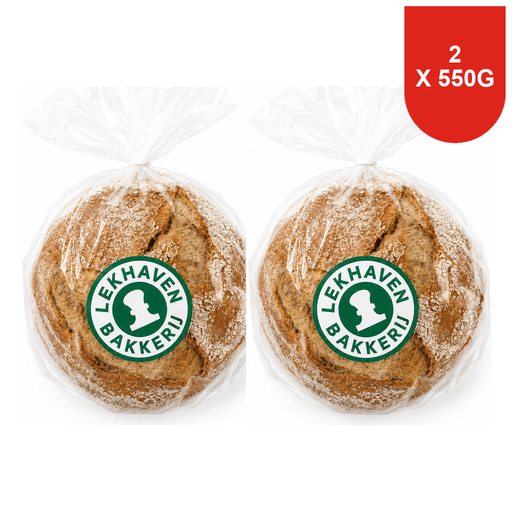 Image unavailable
Suitable for slicing yourself for lunch once the bread has been defrosted, baked and cooled; bear in mind that it needs this preparation.
 Image unavailable
A round multigrain loaf to slice yourself for a school lunch once it has been defrosted, baked and cooled.
No. According to the Netherlands Nutrition Centre, multigrain bread contains at least three types of grain, but that doesn’t mean it’s wholemeal. If you want to choose wholemeal bread, look for an explicit wholemeal description.
No. Check the ingredients and allergen information for the specific bread. The Netherlands Food and Consumer Product Safety Authority explains that allergens must be listed on labels; if you need gluten-free bread, don’t rely on the word multigrain alone.
No, don’t assume this is the case for every loaf. According to the Netherlands Food and Consumer Product Safety Authority, iodine compounds may be present in bread when baker’s salt containing no more than 65 mg of iodine per kg of salt is added. Check the ingredients list if iodised salt matters to your choice.
You can freeze slices for later. The Netherlands Nutrition Centre’s Storage Guide recommends keeping opened packs of wholemeal bread in a kitchen cupboard for 2–4 days or in the freezer for 1–3 months; take slices out of the freezer as needed.