What should you look for when buying?
Start with any requirements for the school lunch, such as allergen rules. Then compare the type of bread, how easy it is to eat and the size that works best for you at home.
| What to consider |
What to check when buying |
Who does this matter to? |
| Wholemeal and fibre |
Look for the wholemeal label and compare the fibre content per 100 g across the breads you’re considering. |
If I want to choose mainly wholemeal bread for everyday lunches, I don’t want to rely on its dark colour alone. For around 33% of consumers, choosing wholemeal bread with a good fibre content is the top priority. |
| Allergens and school rules |
Read the current ingredients and allergen information. If you’re buying unpackaged bread, ask for details and check the school’s policy. |
If my child needs to avoid an allergen or the school has restrictions, suitability comes before taste or the shape of the bread. Around 20% of consumers make this their top priority. |
| Flavour and crust |
Think about whether your child would prefer a soft slice, a firmer slice or a smaller roll. |
A distinctive loaf isn’t much use if my child leaves their lunch uneaten. Taste and ease of eating are the first considerations for around 27% of consumers. |
| Size and storage |
Choose an amount you’ll use, and follow the bread’s storage instructions and any guidance on freezing. |
If we don’t eat bread every day, I want a suitable size that’s easy to pack on school mornings. For around 20% of consumers, practicality is the most important factor. |
Brands to consider
These bread ranges give you an idea of the types of multigrain bread you may come across. Always check the ingredients, allergens and nutritional information for each individual product.
Albert Heijn / AH Liefde & Passie
Albert Heijn presents Liefde & Passie as a bread range that includes multigrain varieties, with an emphasis on how the bread is made and its crust.
- A good place to start if you’re looking for sourdough or a firmer crust.
- Check whether each variety is wholemeal and which allergens it contains; the range name doesn’t tell you this.
Jumbo
Jumbo sells its own bread products and also lists multigrain breads from other brands, including Waldkorn.
- Product information can help you compare ingredients and nutritional value.
- Check that the specific variety you want is available at the time you shop.
Lidl
Lidl describes its oven-fresh multigrain bread and provides ingredient and allergen information for its freshly baked range.
- This information is useful if you’re considering bread from the bakery section.
- Ask for the latest allergen information for the unpackaged bread you choose, and check the nutritional information separately.
ALDI
ALDI lists a Boeren wholemeal multigrain loaf in a half-loaf size.
- The product name and size give you specific details to start with when comparing options.
- Before buying, read the packaging for the variety you’ve chosen, especially if allergens or a particular fibre content matter to you.
PLUS / Korenlanders
For Korenlanders wholemeal multigrain rolls, PLUS lists ingredients, allergens, nutritional information and freezing advice.
- PLUS lists 7,8 g of fibre per 100 g for these rolls, so you can compare the figure with another product on the same basis.
- According to the product information, these rolls contain cereals with gluten, soya, milk and sesame, among other ingredients. Check the current label.
Dirk / Bakker van der Akker
Dirk lists a half multigrain loaf from Bakker van der Akker.
- A half loaf is worth considering if you won’t get through a whole one.
- Before taking it to school, check the current nutritional and allergen information for the variety you choose.
Multigrain bread at Joybuy
These products include rolls and bake-at-home loaves in multigrain varieties, for anyone putting together a school lunch. Check the wholemeal label, allergens and baking instructions for each bread separately; a multigrain label alone isn’t enough.
 Image unavailable
Lekhaven Bakkerij Multigrain Rustic Baguette, 4 × 135 g
Individual baguettes for anyone who likes to prepare bread for lunch one portion at a time.
Allow time to defrost, bake and cool before packing. Check the baking time on the packaging and read the allergen information.
View at Joybuy
 Image unavailable
g'woon Multigrain Rolls, 4 pieces
A pack of four multigrain rolls for anyone who’d rather pack a roll than a sliced sandwich.
Check the current packaging for ingredients and allergens, particularly the sesame information if that’s relevant to your choice.
View at Joybuy
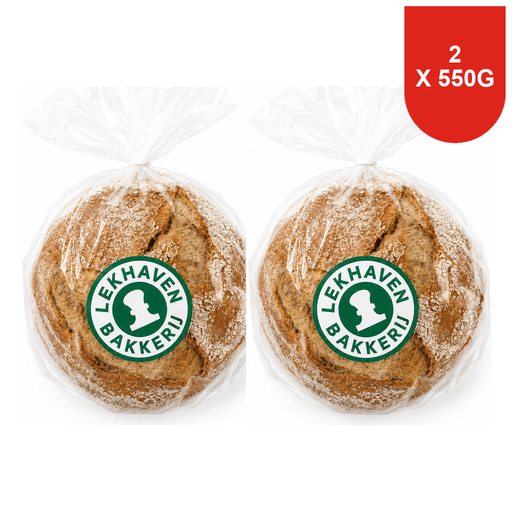 Image unavailable
Lekhaven Bakkerij Multigrain Country Bread Round, 2 × 550 g
Two round multigrain loaves for anyone who likes to keep bread in stock and slice it at home for lunch.
The bread needs to be defrosted, baked and cooled before you can make sandwiches. Also read the allergen information for this variety.
View at Joybuy
 Image unavailable
Lekhaven Bakkerij Multigrain Country Bread Round, 550 g
A 550 g round multigrain loaf for anyone who wants to slice their own bread for school lunches.
Allow time for defrosting, baking and cooling. Check the packaging for allergen information and baking instructions.
View at Joybuy
Frequently asked questions
Is multigrain bread automatically wholemeal?
No. Multigrain means that several types of grain have been used; it doesn’t mean the bread is made entirely from wholemeal flour. If you want wholemeal bread, look for the wholemeal label on the product you choose and, if you like, compare the fibre content per 100 g.
Can regular multigrain bread be packed if gluten needs to be avoided?
Don’t assume so: regular multigrain bread may contain cereals with gluten. Before packing it, check the label, the dietary requirements and the school’s rules. If gluten-free bread is required, choose only a product labelled as suitable.
Which other allergens should I check in multigrain bread?
It depends on the specific bread. For example, for Korenlanders wholemeal multigrain rolls, PLUS lists soya, milk and sesame as well as cereals containing gluten. Always use the current allergen information for the product you plan to pack, not that of a similar bread.
How should I store bread for several school lunches?
Follow the storage instructions for the bread you choose and freeze portions if you won’t use them soon. The Voedingscentrum’s storage guide recommends keeping opened wholemeal bread in a kitchen cupboard for 2–4 days or in the freezer for 1–3 months; instructions may vary for other products.
Does a premium bread range tell you anything about its nutritional value?
Not by itself. A premium name may refer to flavour, texture or how the bread is made. To compare nutritional value, check the product description, ingredients and nutritional information for the specific variety.


