
Brunch or drinks organiser
If the bread will be placed on the table for everyone to share, its rustic shape, sourdough and seeds may all be important. Albert Heijn and Lidl describe these features in the multigrain breads reviewed.


For brunch or a shared meal, choose a rustic multigrain loaf if its shape and preparation style are your priorities. Choose a loaf explicitly described as wholemeal if the type of grain is what matters most. According to the Voedingscentrum, multigrain bread contains at least three types of grain, but that does not mean it is wholemeal. For either option, check the ingredients and allergens on the current packaging.
If the bread will be placed on the table for everyone to share, its rustic shape, sourdough and seeds may all be important. Albert Heijn and Lidl describe these features in the multigrain breads reviewed.
You don’t want to rely on the name multigrain or a dark colour. The legal product description and ingredients can help you establish whether a loaf is actually being sold as wholemeal.
If you need to avoid gluten, sesame or other ingredients, the current label matters more than how the bread looks. Even for a product labelled gluten-free, other allergens still need to be checked separately.
First decide whether the ingredients, how the bread looks on the table, allergens or the quantity you need will determine your choice. Then compare the relevant information for each loaf rather than relying on the word ‘premium’.
| What to consider | What should you check? | Who is this most important to? |
|---|---|---|
| Wholemeal and fibre | Read the legal product description and ingredients; if you wish, compare the fibre per 100 g in the nutritional information. | If I specifically want to serve wholemeal bread, I want to see that on the label rather than infer it from the colour. For around 36% of consumers, wholemeal composition is the priority. |
| How it looks on the table | Check whether features such as sourdough, a rustic shape, seeds or baking on a stone oven floor are mentioned for that particular loaf. | For brunch or drinks, I want to choose bread that suits the occasion, even if wholemeal isn’t my first requirement. Around 29% of consumers prioritise the experience of serving it at the table. |
| Ingredients and allergens | Check the current ingredients and allergen information, including any ‘may contain’ statements. | If I need to take an allergen into account, I must assess each loaf individually before considering its shape or flavour. For around 21% of consumers, this is the top priority. |
| Quantity and preparation | Compare the weight or number of pieces, and read the storage and any baking instructions. | For a small meal, I don’t want to prepare more bread than we need, and I want to know in advance whether it needs to go in the oven. For around 14% of consumers, practical considerations matter most. |
According to the Voedingscentrum, multigrain refers to the number of types of grain, not to an entirely wholemeal grain base. Albert Heijn lists both wholemeal wheat flour and wheat flour in Liefde & Passie Meergranen.
If wholemeal is essential for your meal, check the legal description and ingredients list.
Multigrain bread may contain gluten-containing cereals and other allergens. Gluten-free also doesn’t mean that a product is free from all other allergens.
Check the current packaging. If you need gluten-free bread, choose a loaf explicitly labelled as gluten-free and check the other allergen information too.
For a small group, a whole loaf may be more than you’ll use during the meal.
Compare the size with the number of guests, and before buying, check how to store any leftovers according to the product instructions.
A bake-at-home option also takes time to prepare, so check the instructions if you want to serve the bread at a particular time.
These brands offer different types of multigrain bread. Compare the specific product and its label; a brand name alone doesn’t tell you whether a loaf is wholemeal or suitable for your allergen requirements.
The Liefde & Passie range includes a rustic multigrain loaf for sharing at a meal.
The multigrain range gives you options for comparing breads with and without an explicit wholemeal description.
An option if you’re looking for an organic, rustic multigrain sourdough loaf.
An option if you’re looking for a sliced, half-size wholemeal multigrain loaf.
Offers an explicitly wholemeal round multigrain loaf as well as a separate bake-at-home option.
Offers various multigrain breads, including loaves explicitly described as wholemeal and bake-at-home options.
This selection includes multigrain baguettes and round multigrain loaves for sharing. Choose between a single pack and a double pack based on what you want to serve; always check the label of your chosen option for wholemeal status and allergens.
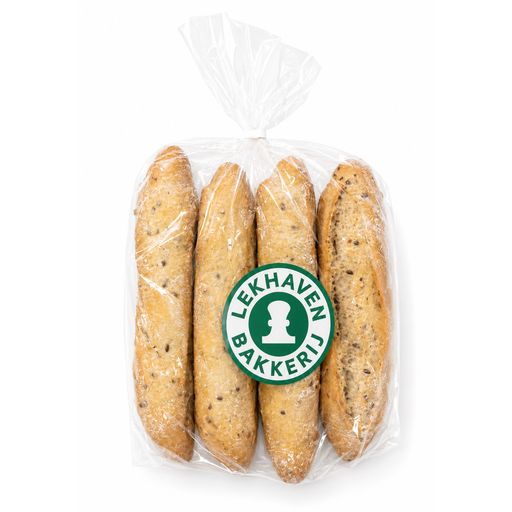 Image unavailable
These baguettes are ideal for a meal where you want to serve bread individually. The pack contains four pieces weighing 135 g each; check the legal description and allergens on the label.
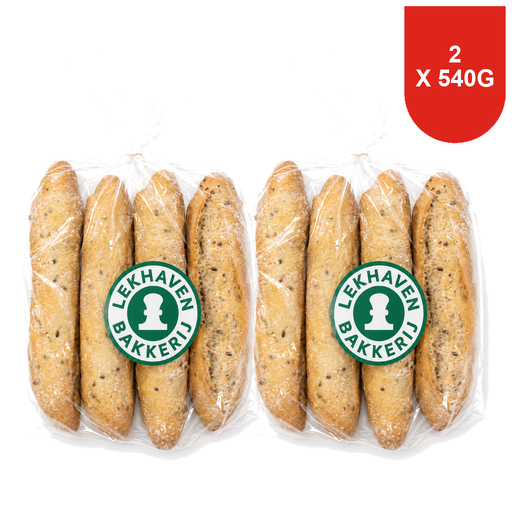 Image unavailable
This double pack is a good choice if you need more baguettes or are planning to serve them on more than one occasion. It contains two packs of four pieces, each weighing 135 g. Think ahead about what you’ll do with any leftovers, and check the label for ingredients and allergens.
 Image unavailable
A round loaf is a good choice if you want to put one loaf on the table for everyone to share. The stated weight is 550 g; check the current packaging for wholemeal status, allergens and preparation instructions.
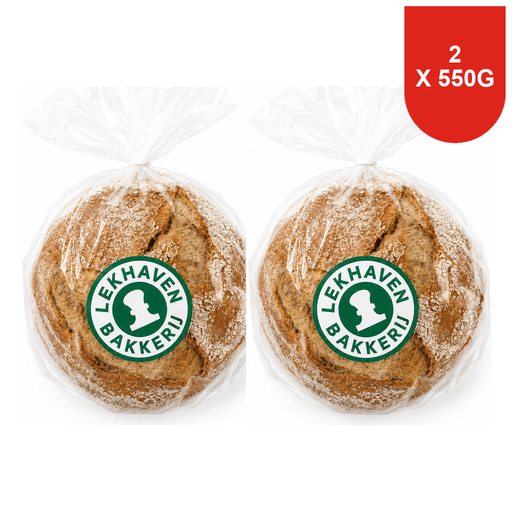 Image unavailable
Two round loaves are worth considering if one loaf isn’t enough for the meal you’re planning. The pack contains two 550 g loaves; if you’re serving a smaller group, plan what to do with any leftovers and check the label for ingredients and allergens.
No. According to the Voedingscentrum, multigrain bread contains at least three different types of grain; that doesn’t mean all the grain ingredients are wholemeal. If you specifically want wholemeal bread, read the legal product description and ingredients list.
No, the name multigrain doesn’t tell you whether the bread contains gluten. If you need to eat gluten-free, choose a product explicitly labelled as gluten-free and check the other allergens on the packaging too; for example, gluten-free multigrain bread may contain soya.
Read the ingredients list for the specific loaf on the current packaging and look for iodised salt or baker’s salt. Don’t assume that every loaf contains the same type of salt just because it is called multigrain.
Compare the number of pieces or the loaf’s weight with what you want to serve, and consider a half loaf or a pack of individual pieces if a whole loaf would be too much. For bake-at-home bread, also check the preparation time and follow the product’s storage and freezing instructions for any leftovers.