
Host planning a special bread-based meal
Looking for bread for lunch or a sharing board, and wants to be able to check whether a multigrain loaf is wholemeal as well as how it looks when served.


Don’t choose bread based only on the name ‘multigrain’ or an artisan-style appearance. If wholegrain is your priority, check that the bread is labelled as wholemeal. For a meal with older guests, also consider how easy the bread will be to eat and check the allergen information. If anyone has difficulty swallowing, individual care advice should take priority over choosing a crusty loaf.
Looking for bread for lunch or a sharing board, and wants to be able to check whether a multigrain loaf is wholemeal as well as how it looks when served.
Taking into account what guests can eat, their allergen information and any individual arrangements around chewing or swallowing.
Needs information about the specific bread. The name ‘multigrain’, its colour and its appearance don’t tell you which allergens it contains.
First, decide what matters most to your guests: wholegrain content, bread that’s easy to eat or a specific dietary requirement. Then compare the packaging of breads that meet that need.
| What to consider | What to check when buying | Who it matters to |
|---|---|---|
| Wholegrain and fibre | Look for the word ‘wholemeal’ in the product name or on the packaging. When comparing similar breads, check the fibre per 100 g. | I want to know what kind of bread I’m serving, rather than relying on the name ‘multigrain’. Around 40% of consumers prioritise wholegrain status and fibre information. |
| Ease of eating and presentation | Consider the shape, crust and any seeds in relation to your guests. If anyone is known to have difficulty swallowing, follow their individual care advice. | I want the bread to look right on my sharing board, but guests also need to be able to eat it. Around 30% of consumers consider this combination their main concern. |
| Allergens and dietary requirements | Read the latest ingredients and allergen information. If you need gluten-free bread, choose only a product that is labelled gluten-free. | If a guest needs to avoid an allergen, I want to be able to check the specific bread before serving it. For around 30% of consumers, checking dietary requirements matters most. |
Multigrain bread can also be made with refined flour. According to the Voedingscentrum, these are different descriptions; using several types of grain doesn’t prove that a bread is wholemeal.
Look for ‘wholemeal’ in the official product name or on the packaging, then compare the nutritional information of similar breads.
Bread that looks appealing on a sharing board may not be suitable for someone who has difficulty chewing or swallowing. Zorg voor Beter highlights swallowing difficulties in older people as something to consider at mealtimes.
Check in advance what arrangements apply to the guest. If they have difficulty swallowing, follow the individual advice of their care team rather than trying to change the texture of the bread yourself.
A loaf’s appearance doesn’t tell you whether it’s wholemeal or which allergens it contains.
Consider appearance and flavour separately from the official product name, ingredients, allergens and nutritional information.
‘Multigrain’ doesn’t mean gluten-free. If a guest needs to eat gluten-free, don’t rely on the type of bread stated in its name.
Check that the product itself is labelled gluten-free and follow the relevant arrangements for preparation and serving.
Storing and serving it separately may require extra preparation.
Albert Heijn sells multigrain bread in its AH Liefde & Passie range, as well as organic multigrain varieties.
Jumbo lists products including Volkoren Meergranen Brood and Boeren Donker Volkoren Meergranen.
PLUS sells multigrain and sourdough products, including multigrain baguettes for a sharing board.
Dirk lists products including multigrain bread and a multikorn variety explicitly labelled as wholemeal.
ALDI lists Boeren Volkoren Meergranen and multigrain products that need to be baked at home.
Lidl is another option to consider when comparing bread for a special meal.
These rolls and loaves offer different options for a bread-based meal, from individual rolls and baguettes to round loaves. Check the latest packaging for each product for its wholegrain status, allergens and preparation instructions. The shape doesn’t indicate whether it’s suitable for someone with swallowing difficulties.
 Image unavailable
These four individual rolls are a good option if you want to serve bread rolls individually. Check the packaging to see whether they’re wholemeal and which allergens they contain. If a guest has difficulty chewing or swallowing, consider the texture separately.
 Image unavailable
The four 135 g baguettes can be arranged individually on a sharing board. Check the packaging instructions before baking, and check the wholegrain status and allergens too. If a guest has difficulty swallowing, don’t judge suitability by the shape of the bread alone.
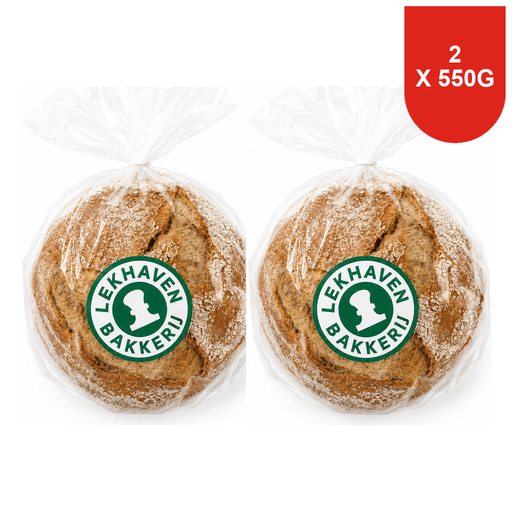 Image unavailable
These two 550 g round loaves are a good choice if you want to slice a round loaf for the meal. Plan the preparation according to the packaging and compare nutritional values on a like-for-like basis, such as per 100 g. Also check the wholegrain status, allergens and the texture your guests need.
 Image unavailable
This 550 g round loaf is an option if you want a single loaf in this shape for your sharing board. Follow the current packaging instructions for defrosting and baking. Check the wholegrain and allergen information there too, and consider whether the texture is right for your guests.
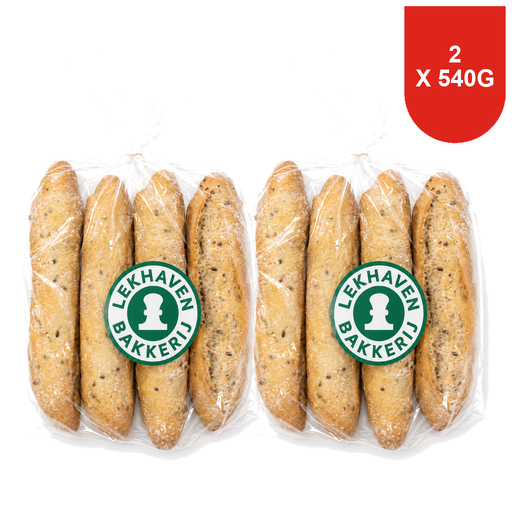 Image unavailable
This baguette variety is designed to be baked before serving. The product label lists 4 × 135 g × 2, while the description says four pieces. If you’re planning portions, check the quantity on the packaging. Also check the preparation instructions, wholegrain status and allergens.
No. According to the Voedingscentrum, multigrain bread can also be made with refined flour. If wholemeal is one of your selection criteria, look for ‘wholemeal’ in the product name or on the packaging, and compare the nutritional information of similar breads if you wish.
For pre-packed bread, read the allergen information on the current label. For unpackaged bread, ask the supplier for information about the specific product. Don’t rely on the bread’s name or colour alone.
Not unless you know which texture has been agreed for that guest. Zorg voor Beter explains that swallowing difficulties can make eating difficult. Follow the individual advice of the care team, and don’t replace a prescribed texture with standard bread on your own initiative.
You can’t tell from the name ‘multigrain bread’. If the ingredients matter when choosing bread for the meal, check the specific product, including whether it lists baker’s salt.