
Fussy office eaters
For colleagues who aren’t keen on coarse or dark bread, the texture can matter just as much as choosing wholemeal.


If you want to choose wholemeal bread for a more mindful office lunch, look for the word ‘wholemeal’ on the exact multigrain bread you’re considering: ‘multigrain’ on its own doesn’t tell you whether it’s made with wholemeal flour. If your colleagues tend to leave coarser bread uneaten, a finer loaf may suit their tastes better. Check the wholemeal designation, fibre per 100 g and allergens separately, and choose a size that suits the number of lunch portions you need.
For colleagues who aren’t keen on coarse or dark bread, the texture can matter just as much as choosing wholemeal.
If you regularly choose bread for lunch and wholemeal matters to you, the ‘wholemeal’ designation and fibre content per 100 g are more useful than ‘multigrain’ alone. The Netherlands Nutrition Centre and the Dutch Bakery Centre distinguish between the number of grain varieties and whether bread is white, brown or wholemeal.
If you’re arranging bread for a group, you’ll need to consider allergens, ingredients, portions and storage. If you have questions about baker’s salt, check the information for the product you’ve chosen.
First, decide whether wholemeal is a must for this lunch. Then compare texture and portion size; if you’re buying for a group, check the allergen information for each bread separately.
| What to consider | What to check when buying | Who it matters to |
|---|---|---|
| Wholemeal and fibre | Look for ‘wholemeal’ on the exact variety and compare the fibre per 100 g in the nutrition table. | If I regularly arrange bread for lunch, I want to know whether my choice is actually wholemeal. Around 36% of consumers prioritise wholemeal and fibre. |
| Taste and texture | Check the description of the texture and any seeds; assess the wholemeal designation separately. | If colleagues leave coarse bread uneaten, I want to choose a texture they’ll enjoy. Around 29% of consumers prioritise this. |
| Portions and storage | Compare the number of rolls or the loaf size with the lunches you’re planning, and read the storage instructions. | If I’m catering for a small lunch group, I don’t want to open more bread than we can use. Portions and stock are the main concern for around 21% of consumers. |
| Allergens and baker’s salt | Check the latest ingredients and allergen information for the bread you’ve chosen; if it’s unwrapped, ask for the information you need. | If I’m buying for colleagues with specific dietary needs, I want to know which ingredients and allergens their bread contains before I buy it. Around 14% of consumers prioritise this information. |
According to the Netherlands Nutrition Centre, multigrain bread can be made with refined flour, making it white bread. So, the use of several types of grain doesn’t tell you whether the bread is made with wholemeal flour.
If wholemeal is your priority, check the designation on the exact bread. Then use the grain varieties to compare flavours and textures.
The Dutch Bakery Centre explains that the distinction between white, brown and wholemeal still matters for multigrain bread. A dark appearance or visible seeds don’t replace this information.
Compare the wholemeal designation and fibre per 100 g on the latest packaging of the varieties you’re considering.
When you’re buying for a group, differences in ingredients can determine who can eat a particular bread. Product information can also change, as Albert Heijn and PLUS note in their online information.
Check the information for the exact product before buying, then check the packaging again when it arrives. If the bread is unwrapped, ask for its allergen information.
A whole loaf may be too much if only a few colleagues are eating. For opened wholemeal bread, the Netherlands Nutrition Centre recommends 2–4 days in a kitchen cupboard and 1–3 months in the freezer.
Choose a whole or half loaf to suit the lunches you’re planning, and freeze any portions you won’t use in time.
These supermarket brands are a useful starting point for comparing product names, ingredients and nutritional information. Always check the specific bread variety you’re considering.
Albert Heijn lists both multigrain and wholemeal bread online.
Jumbo offers, among other options, wholemeal multigrain bread.
Lidl publishes an ingredients and allergen overview for its fresh-from-the-oven bread.
ALDI lists a Farmer’s Wholemeal Multigrain Loaf alongside other types of bread.
PLUS has online categories for multigrain and wholemeal bread.
Dirk lists separate products called multigrain hearth bread and wholemeal multigrain tin loaf.
These rolls, loaves and baguettes are worth considering for a lunch where size and preparation matter. If you’re specifically looking for wholemeal multigrain bread, first check the wholemeal designation and fibre per 100 g for each product; the word ‘multigrain’ on its own isn’t enough.
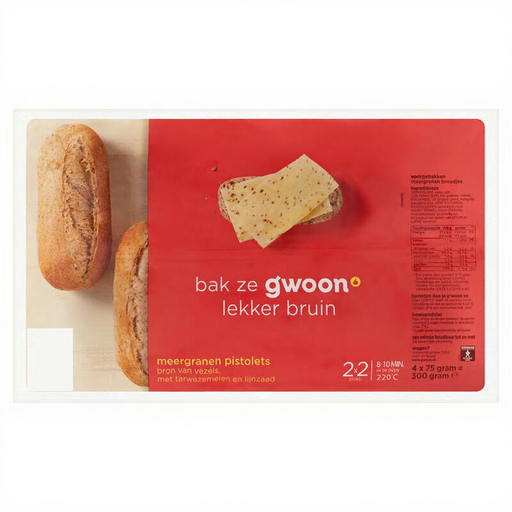 Image unavailable
Four individual rolls are a handy option if you want to portion out lunch separately. If you’re choosing wholemeal, check the designation and nutritional information on the packaging; if any colleagues have allergies, check the latest allergen information too.
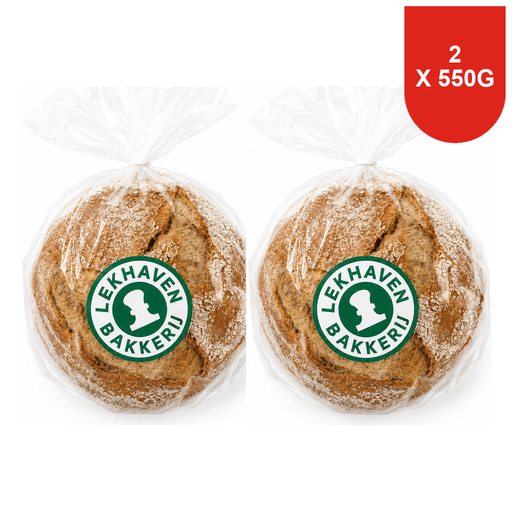 Image unavailable
Two loaves could work well for several planned lunches. Allow time for thawing, baking and cooling before adding your fillings. Check the packaging if wholemeal flour, fibre per 100 g or allergens are important to your choice.
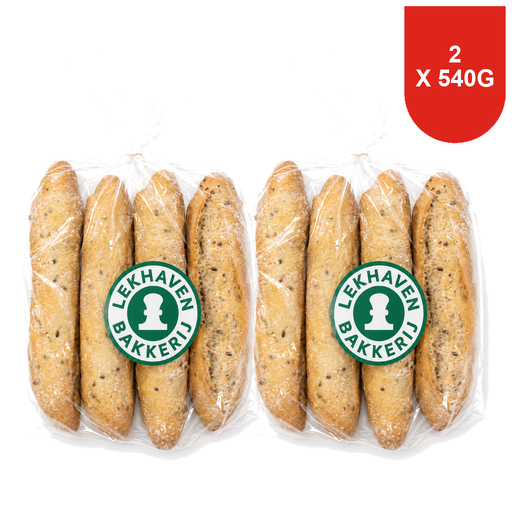 Image unavailable
The 135 g baguettes could suit a lunch where you’re serving individual portions. Plan ahead for thawing and baking. Check the latest packaging for the wholemeal designation, fibre per 100 g and allergens.
 Image unavailable
This 550 g loaf is a good fit for a lunch you can prepare in advance. Allow time for thawing, baking and cooling. Check the latest packaging for the wholemeal designation, fibre per 100 g and allergens.
No. The number of types of grain used doesn’t determine whether bread is wholemeal. According to the Netherlands Nutrition Centre, multigrain bread can be made with refined flour, so check the wholemeal designation on the exact product.
No. The mention of baker’s salt doesn’t mean that every loaf contains the same amount of iodine. Check the ingredients information for the bread you’ve chosen, or ask if it’s unwrapped.
Check the allergen information for every bread you’re planning to buy for the group, not just the type of bread. For pre-packed bread, read the latest label; if it’s unwrapped, ask for the information before buying.
Buy an amount that suits the number of lunches you’re planning, and freeze portions in good time if you won’t use them straight away. For opened wholemeal bread, the Netherlands Nutrition Centre recommends 2–4 days in a kitchen cupboard and 1–3 months in the freezer.