
If you take lunch to work a few days a week
If you only take sandwiches to work a few days a week, a half loaf may be a better fit for what you’ll use. Freezing any leftover bread in portions is another option.


Choose how much multigrain bread to buy based on how many days you take lunch to work: a half loaf can help avoid leftover slices, while a whole loaf can be frozen in portions. Also check whether the bread is labelled wholemeal, as ‘multigrain’ doesn’t automatically mean it is.
If you only take sandwiches to work a few days a week, a half loaf may be a better fit for what you’ll use. Freezing any leftover bread in portions is another option.
If you eat sandwiches every day and specifically want wholemeal bread, look beyond the name ‘multigrain’. The Netherlands Nutrition Centre describes multigrain bread by the types of grain used; the label alone doesn’t tell you whether it is wholemeal.
If you need to watch out for particular allergens or want to know which salt has been used, check the label on the bread you choose. Don’t assume a product is gluten-free or made with baker’s salt just because it’s called ‘multigrain’.
First, work out how much bread you’ll get through on your working days. Then compare the wholemeal information, storage options and any ingredients that matter to you.
| What to consider | What should you check? | Who is this most important for? |
|---|---|---|
| Amount of bread | Compare a whole and a half loaf with the number of lunches you’ll make from it. | I only take lunch to work a few days a week and don’t want slices left over. Around 36% of consumers prioritise buying the right amount. |
| Wholemeal and fibre | Read the product name and ingredients; compare fibre figures on the same basis, for example per 100 g. | If I eat sandwiches almost every day, I want to be able to tell whether my multigrain bread is also wholemeal. Around 29% of consumers prioritise checking this. |
| Storage | Consider whether you’ll use up the bread in time or can freeze it in lunch-sized portions soon after buying it. | I want to keep bread at home for several working days without throwing away unused portions; storage determines the choice for around 21% of consumers. |
| Ingredients and allergens | Check the label for relevant allergens, any gluten-free claim, and whether baker’s salt or iodised salt is used. | If I need to avoid certain ingredients or want to know which salt is used, that information matters more than the loaf size. It’s the first consideration for around 14% of consumers. |
According to the Netherlands Nutrition Centre, multigrain bread is made with at least three types of grain. This doesn’t mean that all the grain ingredients are wholemeal.
If you want wholemeal bread, check the product label and read the ingredients list.
If you only use some of the loaf, you’ll have slices left over to store or freeze.
Choose an amount that suits your working week, or freeze a whole loaf in lunch-sized portions as soon as you get it home.
The Netherlands Nutrition Centre says that bakers aren’t required to use baker’s salt. The Dutch 2008 agreement on baker’s salt encourages its use in bread and bread substitutes, but it isn’t a feature of every loaf.
For packaged bread, check the ingredients list. If the bread is unwrapped, ask which salt has been used if this matters to your choice.
ALDI lists Boeren volkoren meergranen as a half loaf; the amount is also worth considering if you only take lunch to work a few days a week.
Dirk stocks Bakker van der Akker Bakkers meergranen half.
Jumbo stocks products including Boeren Donker Volkoren Meergranen and Stevig Meergranen.
Albert Heijn lists AH Vloerbrood meergranen as both a whole and a half loaf.
PLUS stocks products including Korenlanders Donker meergranen and a separate gluten-free multigrain option from Schär.
Lidl lists a product in its stores called Meergranenbrood.
These loaves, rolls and baguettes come in different quantities to suit an office lunch. For bake-at-home products, check the preparation time and how many portions you’ll actually use.
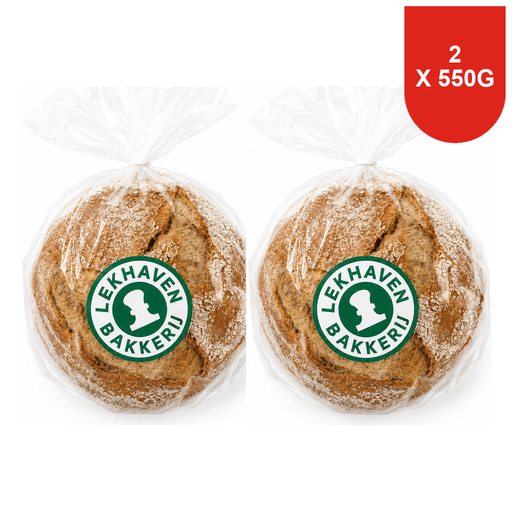 Image unavailable
For several lunch days if you want to bake the bread at home. The pack contains two 550 g loaves; allow time to defrost, bake and cool the bread before slicing.
 Image unavailable
For anyone who wants to share one round loaf between several lunches. The loaf weighs 550 g and needs to be defrosted, baked and cooled before slicing.
 Image unavailable
For lunches when you’d rather take individual rolls than slice a whole loaf. The pack contains four multigrain rolls; check the label if ingredients or allergens are important to you.
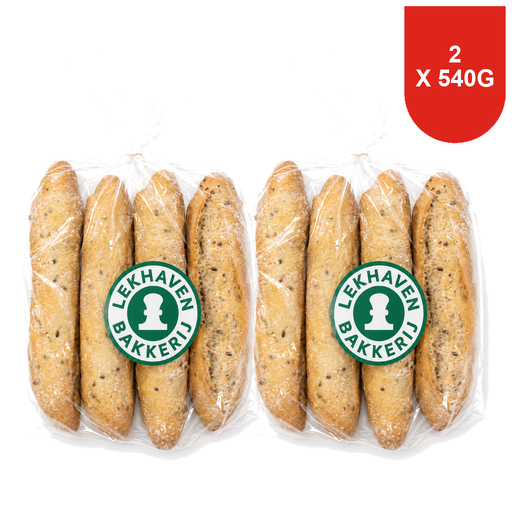 Image unavailable
For a lunch with bake-at-home multigrain baguettes instead of sandwiches. The product information gives the weight as 135 g per baguette; check how many baguettes are in the pack and allow time to defrost and bake them.
No. According to the Netherlands Nutrition Centre, multigrain bread contains at least three types of grain, but the name doesn’t mean that all the grain ingredients are wholemeal. If you’re looking for wholemeal bread, check the product label and ingredients.
Freeze any portions you won’t use soon. The Netherlands Nutrition Centre recommends keeping wholemeal bread in a kitchen cupboard for 2 to 4 days, or in the freezer for 1 to 3 months; also follow the instructions on your bread’s packaging.
No. The Netherlands Nutrition Centre says that bakers aren’t required to use baker’s salt. The 2008 Dutch agreement encourages the use of iodised salt in bread and bread substitutes. For packaged bread, read the ingredients list; if the bread is unwrapped, ask about the salt used.
You can’t tell from the name. Ordinary multigrain products may contain grains that contain gluten, so check the label and only choose a product explicitly labelled gluten-free if you need it to be.