
Buyers looking to reduce waste
If you buy bread for lunch regularly, you need a size that suits the number of people eating. Half a loaf may be more practical for a small group; for larger groups, compare how much bread is actually used.


For everyday nursery lunches, start with a multigrain bread labelled wholemeal, in a size the group can finish. Also check the allergens and the setting’s food policy every time you buy. If a gluten-free protocol applies, ordinary multigrain bread is not a suitable choice.
If you buy bread for lunch regularly, you need a size that suits the number of people eating. Half a loaf may be more practical for a small group; for larger groups, compare how much bread is actually used.
The Dutch Nutrition Centre recommends wholemeal and brown bread for young children. The term ‘multigrain’ does not in itself mean that a bread is wholemeal, so check the product description and compare the nutritional information for the exact varieties.
If you provide lunches for children with different dietary requirements, compare each child’s individual protocol with the current product information. Check the listed ingredients and allergens, as well as any warnings about the possible presence of other allergens.
First decide what size of loaf the group will use. Then check whether the exact bread is wholemeal, and make sure every variety meets the allergen protocol.
| What to consider | What should you check? | Who is this most important for? |
|---|---|---|
| Size and waste | Compare a half or whole loaf with the number of people eating; if you plan to freeze it, read the instructions for the product you choose. | For a small group, I don’t want to have bread left over that we can’t use. For around 42% of consumers, reducing waste is the most important consideration. |
| Wholemeal bread and fibre | Look for the wholemeal label on the exact bread and compare the fibre per 100 g, if that information is available. | When I choose bread for young children, I want to know whether multigrain also means wholemeal in this case. Around 33% of consumers put this nutritional choice first. |
| Allergens and protocols | Read the current ingredients, allergens and warnings on the packaging, and follow the setting’s arrangements. | For a child with a specific dietary protocol, I need to be sure the bread I choose is suitable. This is the main deciding factor for an estimated 25% of consumers. |
Multigrain bread is not automatically wholemeal. The Dutch Nutrition Centre recommends wholemeal and brown bread for young children, so this distinction matters when choosing lunch bread.
Check the description of the specific bread before comparing its nutritional information.
A whole loaf is not necessarily a better choice for everyday use than half a loaf. If the group doesn’t finish it, some bread may be left over.
Choose a size that suits how much is used at each lunch, and check whether the product instructions allow you to freeze it.
A larger loaf also means you’ll need a plan for storing and using it later.
Ingredients and warnings can vary between products. The Netherlands Food and Consumer Product Safety Authority stresses the importance of allergen information when making a choice before purchase.
Check every new pack and compare the information with the individual dietary protocol and the setting’s arrangements.
These brands offer different loaf sizes and types of bread. Always assess the exact product: a brand name tells you nothing about whether every variety is wholemeal or what allergens it contains.
ALDI lists Boeren volkoren meergranen as both a half and a whole loaf.
Dirk lists Bakker van der Akker Bakkers meergranen as a half loaf.
Jumbo describes Stevig Meergranen as a whole, wholemeal multigrain loaf with seeds and grains.
PLUS sells a range of breads under the Korenlanders brand, including a whole, round multigrain loaf.
Lidl offers freshly baked bread and publishes an ingredients and allergens guide for its range.
Albert Heijn’s multigrain range also includes Soezie All in budget meergranenbrood, a bread mix.
These loaves and rolls come in different sizes to suit your lunch plans. Compare the pack with the number of people eating, and check whether the variety you choose is wholemeal, along with its preparation instructions and allergens, before serving.
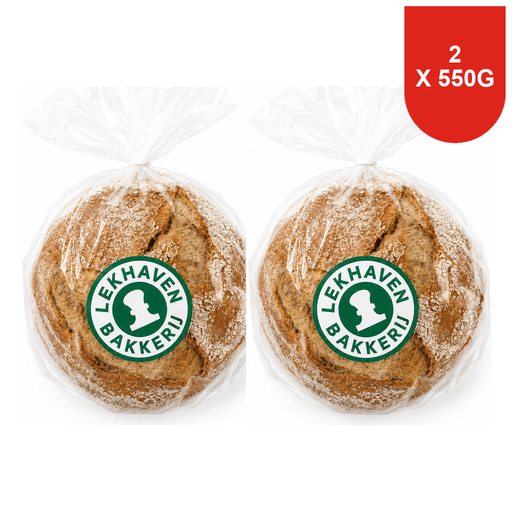 Image unavailable
Two loaves may suit a setting that plans to use the bread over several lunches. Allow time to defrost and bake, and check the packaging for wholemeal status and allergens.
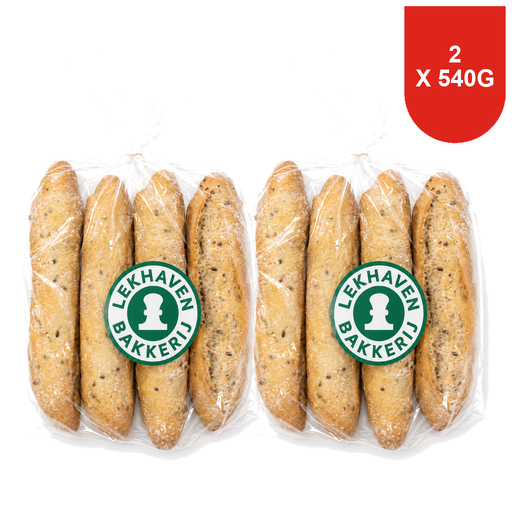 Image unavailable
Individual baguettes can be handy if the whole group doesn’t need bread at the same time. This variety needs to be defrosted and baked, so check the packaging for wholemeal status and allergens.
 Image unavailable
A single 550 g loaf may suit a group that uses this size. Before baking, check the instructions on the packaging, along with the wholemeal status and allergens.
 Image unavailable
Four individual rolls may suit a lunch for a small group. Compare the portions using the pack weight, and check the label for wholemeal status and allergens.
No. ‘Multigrain’ and ‘wholemeal’ don’t mean the same thing, so check whether the specific bread is labelled wholemeal. The Dutch Nutrition Centre recommends wholemeal and brown bread for young children.
Don’t choose ordinary multigrain bread unless you’ve first confirmed that it meets the agreed protocol. Check the label and all relevant allergens on the current packaging, and follow the setting’s arrangements for storage and preparation.
For prepacked bread, allergen information appears on the label. The Netherlands Food and Consumer Product Safety Authority says this information must also be available for unpackaged bread. Always check the information for the bread you’re actually choosing.
Half a loaf may be more practical if the group won’t use a whole loaf in time. Think about how much bread is actually used at lunch; if you want to freeze it, follow the instructions for that specific variety.