
Lunch-makers who like plenty of filling
You want to choose the thickness of the slices yourself. Before buying, check whether the loaf is unsliced: for example, ALDI describes a whole multigrain crusty loaf as pre-sliced.


If you want thick slices of multigrain bread for generously filled office lunches, choose a loaf you can confirm will be supplied unsliced, or agree the thickness you want with the bakery. ‘Whole’ can also describe a pre-sliced loaf. Check whether a loaf is wholemeal if that matters to your choice, and keep the allergen information handy when sharing lunch.
You want to choose the thickness of the slices yourself. Before buying, check whether the loaf is unsliced: for example, ALDI describes a whole multigrain crusty loaf as pre-sliced.
You don’t want to rely on the name ‘multigrain’. Check whether the specific loaf is described as wholemeal and compare the nutritional information per 100 g.
You need to be able to check which allergens the bread contains before colleagues eat it. Keep the packaging or, for unpackaged bread, ask for the latest allergen information.
First, decide whether you need to slice the loaf thick yourself or whether pre-sliced bread will do. Then compare the wholemeal labelling, allergen information and preparation required for the loaves you’re considering for your lunch.
| What to consider | What to check before buying | Who it matters most to |
|---|---|---|
| Slicing it thick yourself | Ask whether the loaf is supplied unsliced or can be cut to your preferred thickness. ‘Whole’ doesn’t confirm how thick the slices are. | If I’m adding plenty of filling, I want to decide how thick the slices are myself. Around 33% of consumers put this option first. |
| Wholemeal and fibre | Look for an explicit wholemeal label and compare the fibre per 100 g in the nutritional information for specific products. | If wholemeal matters to my lunch choice, I don’t want to judge by the grains and seeds alone. This is the top priority for around 27% of consumers. |
| Allergens | Read the current label or, for unpackaged bread, ask for allergen information before sharing it. | For a lunch with colleagues, I want to be able to tell them which allergens the bread contains. This is a top priority for around 20% of consumers. |
| Planning and storage | Check availability at the shop, how many loaves you need and the storage advice on the packaging. | When I’m planning lunch in advance, the bread needs to be available on time and ready to use. Around 20% of consumers give this top priority. |
According to the Netherlands Nutrition Centre, multigrain bread contains at least three types of grain. That alone doesn’t mean the bread is wholemeal.
Check the wholemeal labelling and ingredients list, and compare the nutritional information per 100 g when choosing for fibre.
ALDI describes its luxury multigrain crusty loaf as both whole and pre-sliced. So the word ‘whole’ doesn’t guarantee that you can cut thick slices yourself.
Ask for confirmation that the loaf will be supplied unsliced, or check with the bakery what slicing options are available.
A shared lunch calls for information about the specific loaf, not assumptions based on the word ‘multigrain’. The Netherlands Food and Consumer Product Safety Authority provides separate allergen information for packaged and unpackaged foods.
Keep the label with the bread or, for unpackaged bread, ask for the latest information before serving.
The name ‘multigrain’ doesn’t tell you what kind of salt was used in the bread, so you can’t tell from the type of loaf alone.
If this matters to your purchase, check the ingredients list for baker’s salt or iodised salt.
Albert Heijn has product pages for items including AH OerDesem dark multigrain, whole and sliced, and AH Liefde & Passie sliced multigrain bread.
Lidl includes multigrain bread in its freshly baked range.
ALDI lists options including luxury multigrain crusty bread and farmhouse wholemeal multigrain bread.
PLUS lists Korenlanders Light Multi-seed as a whole, sliced multigrain loaf.
Dirk lists a whole multigrain crusty loaf from Bakker van der Akker.
These round multigrain loaves suit a lunch where you want to slice the bread yourself after defrosting and baking it. If thick slices are essential, check before buying whether the loaves are supplied unsliced. The preparation required is also part of your decision.
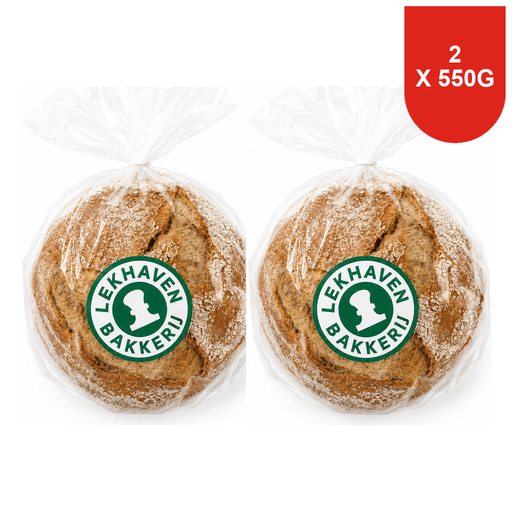 Image unavailable
An option if you have time to slice the bread yourself for an office lunch. Preparation includes defrosting, baking and then leaving it to cool for 30 minutes; check whether the bread is supplied unsliced. If you’re sharing it, check the latest allergen information, including for wheat, barley malt extract and sesame.
 Image unavailable
An option if you want to slice the bread yourself for lunch and can plan ahead for the preparation. Check whether it’s supplied unsliced and follow the packaging instructions for defrosting and baking. Leave it to cool for 30 minutes after baking before slicing. For a shared lunch, check the latest allergen information too.
No. According to the Netherlands Nutrition Centre, multigrain bread contains at least three types of grain, but that doesn’t automatically make it wholemeal. Look for an explicit wholemeal label and read the ingredients list for the loaf you want to buy.
Only if the loaf is supplied unsliced. ALDI describes its luxury multigrain crusty loaf as both whole and pre-sliced. So before buying, ask whether you can get the loaf unsliced or have it cut to your preferred thickness.
For packaged bread, check the allergens on the label. For unpackaged bread, ask the supplier for the latest information. The Netherlands Food and Consumer Product Safety Authority explains what allergen information suppliers must provide for packaged and unpackaged foods. Keep the information for your chosen loaf to hand when sharing lunch.
Check the ingredients list for the specific loaf to see whether it mentions baker’s salt or iodised salt. Don’t assume it contains either just because it’s called ‘multigrain’.
Follow the storage advice for the loaf you choose. For the bread mentioned from Albert Heijn and PLUS, the advice is to freeze it on the day of purchase and use it within one month. Check the packaging before planning your lunch.