
Lunch shoppers who prioritise wholemeal and fibre
You want to compare the wholemeal labelling and nutritional information before judging a multigrain loaf by its colour, crust or seeds.


If wholemeal bread and fibre are your priorities, start by choosing a loaf labelled wholemeal, then compare the nutritional information per 100 g. For a special lunch, a multigrain sourdough or rustic-style loaf might suit the flavour and texture you’re after, but these characteristics don’t tell you whether it’s wholemeal. Whichever you choose, check the ingredients and allergen information for that specific loaf.
You want to compare the wholemeal labelling and nutritional information before judging a multigrain loaf by its colour, crust or seeds.
You’re looking for a rustic-style loaf, sourdough or a different texture for brunch or lunch with guests. You also want to avoid mistaking flavour characteristics for a wholemeal claim.
You need information about the grains, seeds or allergens in the variety you’ve chosen. The general name ‘multigrain bread’ isn’t enough; the Netherlands Nutrition Centre recommends checking the label for allergen information.
First decide whether a clear wholemeal claim or the style of the loaf matters most. Then compare the details on the packaging of the breads that meet your needs.
When to choose it: Start here if a wholemeal claim is your main selection criterion. The Dutch Consumers’ Association explains that wholemeal bread must be made entirely from wholemeal flour.
The trade-off: The word ‘multigrain’ doesn’t offer the same clarity, so compare the fibre content and other nutritional information too.
When to choose it: Go for this option if you’re mainly looking for a particular flavour or texture for a special lunch. For example, Albert Heijn describes AH Liefde & Passie Meergranen as a hearth-baked loaf made with sourdough.
The trade-off: Sourdough and hearth-baking don’t automatically make a loaf wholemeal, so check the ingredients separately.
| What to consider | What to look for | Who it matters to |
|---|---|---|
| Wholemeal and fibre | Look for a wholemeal claim on the bread and compare fibre per 100 g. | If wholemeal bread is my starting point, I want to be able to confirm that without relying on the colour or seeds. An estimated 36% of consumers prioritise this. |
| Ingredients and allergens | Read the ingredients and allergen information for your chosen variety; compare salt on the same per-100 g basis. | If I need to avoid certain ingredients, I need the current label for the exact loaf I’m buying. Around 29% of consumers put this check first. |
| Flavour and bread style | Check which ingredients and preparation methods lie behind descriptions such as sourdough or hearth-baked. | For lunch with guests, I’m mainly looking for a loaf whose style and texture suit the occasion. An estimated 21% of consumers say this matters most to them. |
| Availability and size | Check the current range and choose a whole loaf, half loaf or rolls to suit how you’ll use them. | If I’m only planning a few lunches, I want a size I’ll actually use and can find in my shop. Around 14% of consumers prioritise this. |
According to the Netherlands Nutrition Centre, ‘multigrain’ means that a bread contains several types of grain; it doesn’t mean those grains are wholegrain.
If you want to choose wholemeal bread, look for the wholemeal claim first, then use ‘multigrain’ to help find the type of bread you’re after.
These words describe a bread’s style or how it’s made, but they don’t tell you whether it’s wholemeal or how much fibre or salt it contains.
Compare the ingredients and nutritional information per 100 g before assessing a loaf on these points.
Ingredients such as grains or seeds can vary between multigrain varieties. The name doesn’t tell you which allergens are listed on the current label.
Check the ingredients and allergen information for every variety you choose, even if you’ve previously bought a bread with a similar name.
The name ‘multigrain bread’ doesn’t tell you which salt was used in that particular loaf.
If iodised salt is relevant to your choice, check the ingredients list on the packaging.
AH Liefde & Passie Meergranen is an example of a rustic hearth-baked loaf for anyone who looks for a particular bread style for a special lunch.
Jumbo’s multigrain range features different types of bread, including wholemeal multigrain varieties.
PLUS describes Korenlanders Donker Meergranen Rond as wholemeal multigrain bread.
Dirk stocks products including Bakker van der Akker Bakkers Meergranen in a half-loaf size.
ALDI describes Boeren volkoren meergranen as a bread with grains and seeds.
These products are suited to a lunch featuring rustic multigrain loaves or smaller multigrain rolls. Check the packaging for each product to see whether it’s labelled wholemeal and which ingredients and nutritional values apply to the variety you’ve chosen.
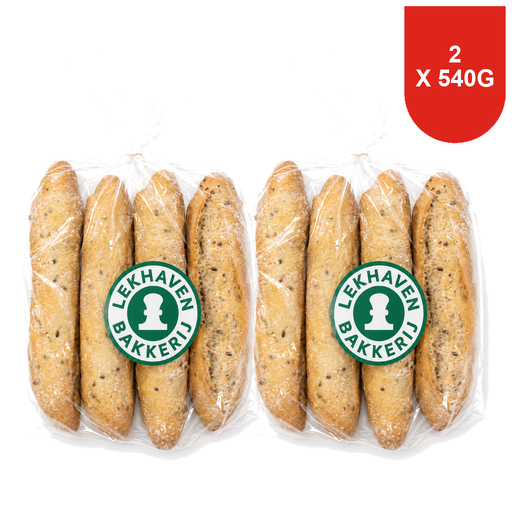 Image unavailable
A multigrain baguette for anyone looking for a rustic-style loaf for a special lunch. Defrost and bake before serving; check the packaging for the wholemeal claim, nutritional information and allergens.
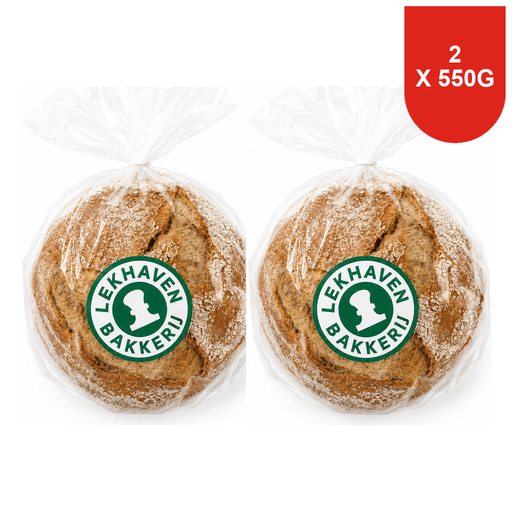 Image unavailable
A round multigrain loaf for a lunch where you’d like to cut your own slices. Allow time to defrost, bake and cool; compare the nutritional information per 100 g and check the current label for allergens.
 Image unavailable
A single round multigrain loaf for anyone who wants a rustic-style bread for lunch. Defrost, bake and leave to cool; check the packaging for the wholemeal claim and nutritional information per 100 g.
 Image unavailable
Four multigrain rolls for anyone who prefers individual rolls at lunchtime. Check the current packaging for the wholemeal claim, nutritional information and allergens, including any sesame warnings.
No. According to the Netherlands Nutrition Centre, ‘multigrain’ refers to several types of grain, whereas a wholemeal claim on bread relates to the flour used. So look specifically for ‘wholemeal’ if that’s your main selection criterion.
Sourdough describes how a bread is made, not whether it’s wholemeal or how much fibre it contains. If you like that style of bread, compare the ingredients and nutritional information for the specific loaf too.
Read the allergen information and ingredients for the exact variety you want to buy. The Netherlands Nutrition Centre explains that common allergens must be clearly listed on the label; the general name of the bread is no substitute for checking.
No, the name of the bread doesn’t tell you for certain. Brood.net Professionals explains that the use of iodine-containing baker’s salt isn’t generally required by law in the Netherlands; the agreement published in the Government Gazette in 2008 describes efforts to encourage its use. Check the ingredients list for a specific loaf.
A half loaf or a pack of rolls could be a good choice if you want to use less bread at a time. Compare the number of portions with your plans and follow the storage instructions on the packaging.