If you want to be sure you’re choosing wholemeal bread for King's Day, look for ‘wholemeal’ in the bread’s name and check the label. ‘Multigrain’, a dark colour and seeds don’t prove that it’s wholemeal. A lighter option may suit fussy eaters better, while rolls or baguettes are handy for sharing. According to the Netherlands Nutrition Centre, multigrain and wholemeal bread aren’t automatically interchangeable nutritional choices.
Which choice is right for you?
Fussy eaters looking for a milder flavour
A lighter multigrain bread may be a better fit if you prefer a soft crumb. Check whether the bread is made with white or wholemeal flour: according to the Netherlands Nutrition Centre, ‘multigrain’ on its own doesn’t mean that a bread is wholemeal.
Families who want wholemeal as their everyday choice
For breakfast or lunch, look for ‘wholemeal’ in the name first. Then check the ingredients and nutritional information for that specific bread, rather than relying on its colour or the seeds on top.
Anyone sharing a King's Day spread
A whole loaf, rolls or baguettes suit different ways of serving. If you have bread left over, you can freeze portions; follow the storage advice on the packaging for your chosen product.
What should you look for when choosing?
First decide whether a wholemeal base, an easy-to-enjoy flavour or a shareable format matters most for your King's Day spread. Then check the ingredients, allergens and any preparation instructions for the exact bread you’re considering.
| What to consider |
What to check when buying |
Who it matters to |
| Wholemeal base and fibre |
Look for ‘wholemeal’ in the bread’s name and compare the fibre content per 100 g in the nutritional information. |
If I want a wholemeal option for everyday breakfasts, I don’t let the dark colour decide. For around 36% of consumers, choosing wholemeal comes first. |
| Flavour and texture |
Check the type of bread and whether seeds are listed in the ingredients; a smaller size can help if you’re not sure about the flavour. |
For a fussy eater, I want to choose a bread that suits their preference for a lighter crumb. Around 29% of consumers give flavour appeal their highest priority. |
| A format for sharing |
Compare whole and half loaves with rolls or baguettes; if you’re buying bake-at-home bread, read the oven instructions. |
For breakfast or drinks with a group, I want bread that’s easy to share without having too much left over. Around 21% of consumers put a shareable format first. |
| Allergens and labelling |
Read the current ingredients and allergen information on the packaging of the exact product. |
If an ingredient needs to be avoided, I don’t want to rely on the name of a type of bread. For around 14% of consumers, checking ingredients and allergens comes first. |
Common mistakes
-
Assuming ‘multigrain’ means ‘wholemeal’
Multigrain bread can be made mostly with white flour. According to the Netherlands Nutrition Centre, the name alone doesn’t confirm that it has a wholemeal base.
If you want wholemeal bread, look for ‘wholemeal’ in the name, then read the ingredients and nutritional information.
-
Treating colour or seeds as proof
A dark crumb or a layer of seeds doesn’t tell you which flour was used to make the bread.
Think of colour and toppings as features of the bread, not a substitute for the wholemeal name and label.
-
Buying too much fresh bread for one celebration
Bread can be left over after a shared meal, and its quality may change while it’s being stored.
Choose a size that suits the number of people you expect, or freeze portions in good time. The Netherlands Nutrition Centre also advises checking the condition of bread when storing it.
-
Checking only the product page for allergen information
A category or bread name doesn’t give you the full picture of the ingredients in the bread you’re buying. Albert Heijn also points out that product information can change.
Carefully read the current packaging if you need to avoid certain ingredients; don’t rely on the general description ‘multigrain’.
Brands to consider
Albert Heijn
Albert Heijn offers products including multigrain hearth bread and explains the difference between multigrain and wholemeal.
- Product pages let you compare different types of bread before buying.
- Albert Heijn advises checking the packaging, as ingredients and allergen information can change.
Jumbo
Jumbo lists a Wholemeal Multigrain Bread, as well as other multigrain and multiseed breads.
- The individual bread names help you distinguish wholemeal from other varieties.
- Check the ingredients for each bread; a broader category name doesn’t confirm that it has a wholemeal base.
Lidl
Lidl describes a multigrain bread containing ingredients including wheat, barley, buckwheat and seeds.
- The grains listed give you a specific starting point if you want to compare ingredients.
- Don’t take the multigrain description as confirmation that this bread is wholemeal.
ALDI
ALDI’s fresh daily range includes multigrain hearth bread and farmhouse wholemeal multigrain bread, as well as multigrain baguettes.
- You can choose the type and format of bread separately to suit breakfast, lunch or a shared meal.
- If wholemeal is your main priority, check the name and packaging of the specific variety.
PLUS
PLUS lists products including Korenlanders Desem Meergranen Boekweit in its multigrain category.
- Product names give you a starting point for comparing different types of bread.
- Check whether the ingredients, allergens and any wholemeal description suit your needs for each product.
Dirk
Dirk lists both Bakker van der Akker multigrain bread and a separate Multikorn wholemeal variety.
- The different names help you tell standard multigrain bread apart from wholemeal multigrain.
- For ingredients and allergens, read the information for the bread you actually choose.
Multigrain products at Joybuy
These loaves, baguettes and rolls come in different formats for sharing at a King's Day spread. Choose the shape and quantity that suit you, and check the current packaging if a wholemeal base or particular ingredients matter.
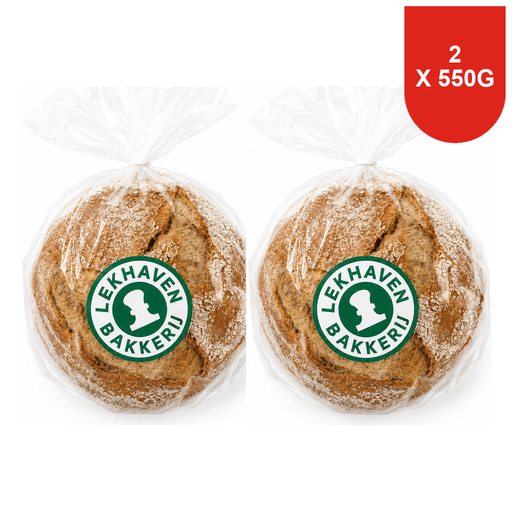 Image unavailable
Lekhaven Bakkerij Multigrain Country Bread, round, 550 g x 2
These round loaves are ideal for slicing and sharing at the table. The product name lists two 550 g loaves; factor in thawing and baking when planning your meal. Check the packaging if you’re specifically looking for wholemeal bread or need to avoid certain ingredients.
View at Joybuy
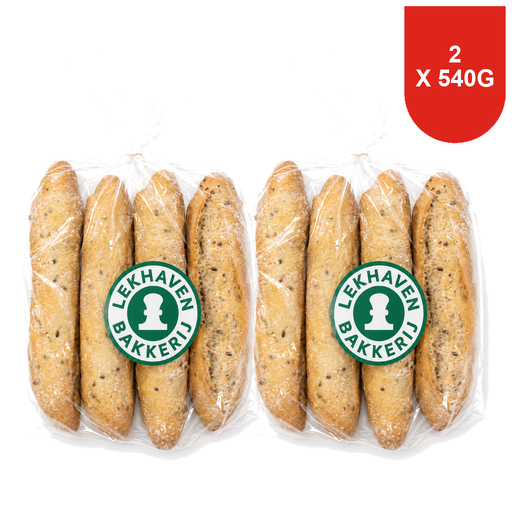 Image unavailable
Lekhaven Bakkerij Multigrain Rustic Baguette, 4 x 135 g x 2
The baguette shape is a good fit for bread you want to slice and share. The product name lists 4 x 135 g x 2, but the product information also mentions four pieces, so check the quantity on the packaging. Allow time for thawing and baking, and check the label if wholemeal bread or particular ingredients matter to you.
View at Joybuy
 Image unavailable
Lekhaven Bakkerij Multigrain Rustic Baguette, 4 x 135 g
Four individual 135 g baguettes give you a handy size to share between several people. Allow time for thawing and baking. Check the packaging for the current ingredients and to see whether the bread suits your preference for wholemeal.
View at Joybuy
 Image unavailable
Lekhaven Bakkerij Multigrain Country Bread Round, 550 g
You can slice this 550 g round loaf into portions for sharing at a meal. It needs to be thawed and baked before serving. Check the current bread name and ingredients if you’re looking for a wholemeal base or a specific composition.
View at Joybuy
 Image unavailable
g'woon Multigrain Rolls, 4 pieces
Four individual rolls are a handy portion size for a shared breakfast or lunch. Check the packaging for the use-by date, ingredients and any wholemeal description; when it comes to allergens, don’t rely on ‘multigrain’ alone.
View at Joybuy
Frequently asked questions
Is multigrain bread automatically wholemeal?
No, multigrain bread isn’t automatically wholemeal. According to the Netherlands Nutrition Centre, multigrain bread can be made with white flour. If you want wholemeal, look specifically for ‘wholemeal’ in the bread’s name and check the label.
Does a dark colour mean the bread is wholemeal?
No, the colour or a layer of seeds doesn’t confirm that a bread is wholemeal. Check the name and ingredients of the specific bread rather than judging by its appearance alone.
How should I store bread left over after King's Day?
If you’re not going to eat the bread soon, it’s best to freeze it in portions. The Netherlands Nutrition Centre gives 2–4 days in a kitchen cupboard and 1–3 months in the freezer as a guideline for wholemeal bread. Also follow the date and storage advice on your bread’s packaging.
What should I check if I need to avoid certain ingredients?
Read the current ingredients and allergen information on the packaging of the exact bread. The Netherlands Food and Consumer Product Safety Authority notes that allergens which must be declared should be identifiable on the label. The word ‘multigrain’ alone doesn’t tell you which grains or other ingredients the product contains.


