What should you look for when choosing?
First decide whether you want to cut thick slices yourself or need bread that you can serve straight away. Then check the type of bread and the label for the qualities that matter for your snacks.
| What to consider |
What to check |
Who is it important to? |
| Cutting thick slices yourself |
Check whether the bread is unsliced; don't take ‘whole’ as confirmation that it is. |
If I want to top my snacks generously, I want to choose the thickness of each slice myself. This is the top priority for around 40% of consumers. |
| Wholemeal and fibre |
Check the ‘wholemeal’ label, ingredients and nutritional information; don't rely on ‘multigrain’ alone. |
A wholemeal base matters more to me than being able to cut extra-thick slices. Around 30% of consumers give this top priority. |
| Quick serving |
Check whether you're buying pre-sliced bread or individual rolls, and whether the shape works with your toppings. |
When I'm serving a group, I want to hand out the bread without much slicing, even if I can't choose the thickness myself. This matters most to around 20% of consumers. |
| Label and ingredients |
Read the current ingredients and allergen information; check for a mention of iodised salt if you wish. |
If an ingredient or allergen affects my choice, I check the label on the specific loaf first. This is the top priority for around 10% of consumers. |
Multigrain bread and baguettes at Joybuy
These round loaves and multigrain baguettes are options if you want to make your own slices or smaller portions for King's Day. Before buying, check whether you can slice the loaf yourself when it arrives if you need thick slices. Remember to allow time for defrosting and baking, too.
 No image available
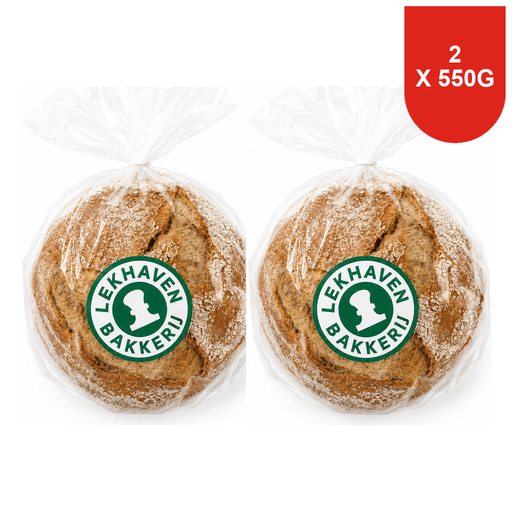
Lekhaven Bakkerij Multigrain Country Bread Round, 2 × 550 g
A twin pack of round loaves for snacks to share; check whether you can slice them yourself when they arrive if you need thick slices.
Allow time for defrosting, baking and cooling before slicing. If you have allergies, read the current label.
View at Joybuy
 No image available
Lekhaven Bakkerij Multigrain Country Bread Round, 550 g
A round multigrain loaf if you're looking for one loaf for topped snacks; check whether it has been sliced before relying on being able to cut thick slices yourself.
The loaf needs to be defrosted, baked and cooled before slicing. If you have allergies, read the current label.
View at Joybuy
 No image available
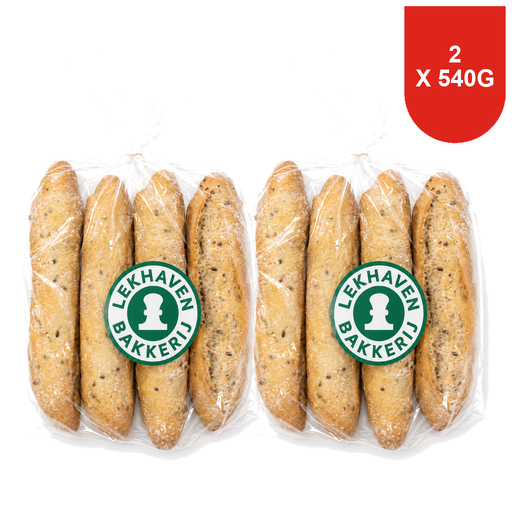
Lekhaven Bakkerij Multigrain Rustic Baguette, 2 × (4 × 135 g)
This pack of multigrain baguettes is ideal for smaller, individual portions; check that the baguette shape and whether it is pre-sliced suit the toppings you plan to use.
Allow time for defrosting and baking. If you have allergies, read the current label.
View at Joybuy
 No image available
Lekhaven Bakkerij Multigrain Rustic Baguette, 4 × 135 g
Four multigrain baguettes give you individual loaves to serve as separate portions; check whether you can slice them yourself when they arrive if slice thickness matters.
Allow time for defrosting and baking. If you have allergies, read the current label.
View at Joybuy
Frequently asked questions
Does ‘whole’ mean I can slice the multigrain bread myself?
No, a whole loaf may already be sliced. For example, Albert Heijn describes a multigrain loaf as ‘whole, sliced’; look for ‘unsliced’ or check with the shop if you want to cut thick slices yourself for King's Day.
Is multigrain bread wholemeal too?
Not necessarily: according to Voedingscentrum, ‘multigrain’ means that at least three types of grain are used, not that the bread is guaranteed to have a wholemeal base. Check the ‘wholemeal’ label and the ingredients of the loaf you choose.
How can I check whether multigrain bread contains iodised salt?
Read the ingredients list for the specific loaf and look for a mention of iodised salt or baker's salt. According to Brood.net Professionals, the use of iodine-enriched baker's salt is based on an industry agreement, so don't rely on the bread's name alone.
What should I check if ingredients or allergens matter?
Check the current ingredients and allergen information on the packaging you buy. The ingredients can vary between multigrain loaves, so the type of bread alone isn't enough.


