What should you look for?
First decide what matters most for your tea time: ingredients, allergens, texture, or comparing salt and ingredients. Only compare nutritional values on the same basis, such as per 100 g.
| What to consider |
What to check when buying |
Who it matters to |
| Wholemeal and fibre |
Check that wholemeal flour is clearly listed in the ingredients. Compare the stated fibre per 100 g across products using the same measurement basis. |
If I choose bread for its wholemeal ingredients and fibre, I want to know more than just how many types of grain it contains. This would be the first thing around 27% of consumers consider. |
| Allergens |
Read the allergen information and warnings about possible traces on the current packaging. For unpackaged bread, ask for this information before buying. |
When I pack bread to share, I need to consider the allergies of the children who will be eating it. Around 33% of consumers would put checking allergens first. |
| Taste and texture |
Choose a shape and crust that suit the occasion, and consider whether the children will enjoy the seeds. |
For a special tea time, I’m looking for bread that looks inviting, without choosing a texture the child won’t enjoy. Around 27% of consumers would see this as their main priority. |
| Salt and ingredients |
Compare the salt content per 100 g and read the ingredients of the products you’re actually considering. |
If I’m choosing between similar loaves, I mainly want to compare their salt content and ingredients. This would be the most important consideration for around 13% of consumers. |
Multigrain bread for tea time on Joybuy
These products offer a range of options for tea time, including round loaves, baguettes and individual rolls. Check the ingredients and allergen information for your chosen product to see whether it also suits your preferences for wholemeal bread or sharing.
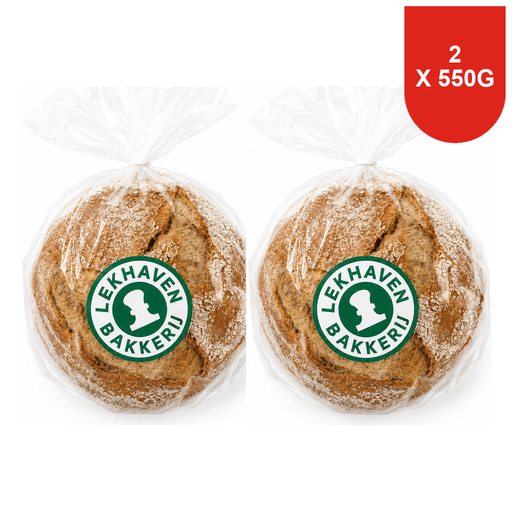 Image unavailable
Lekhaven Bakkerij round multigrain loaf, 2 × 550 g
These round loaves are ideal for tea time when you want to serve the bread in slices. Allow time for thawing, baking and cooling before serving. Check the packaging to make sure the ingredients and allergens are suitable for the children.
View on Joybuy
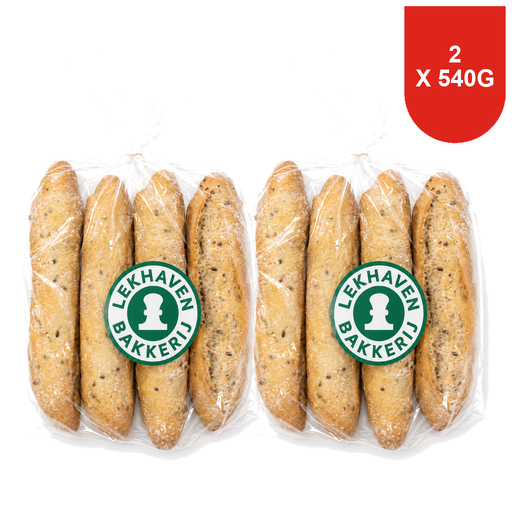 Image unavailable
Lekhaven Bakkerij rustic multigrain baguettes, 2 × 4 × 135 g
Baguettes are a good option if you want to slice the bread for sharing at tea time. Allow time for thawing and baking, and check the latest allergen information before serving.
View on Joybuy
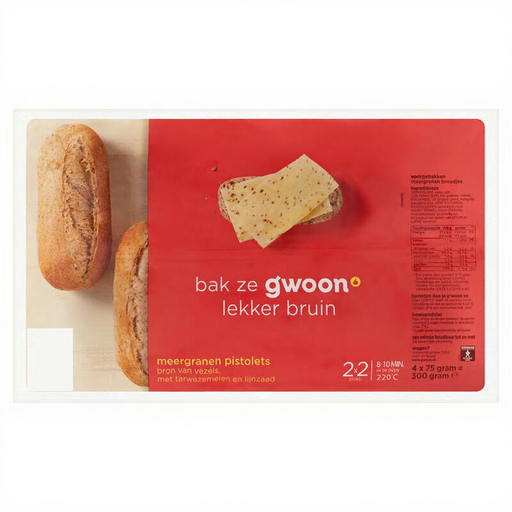 Image unavailable
g'woon multigrain rolls, 4 rolls
Four individual rolls give you handy portions for tea time. If you’re looking for wholemeal bread, check the types of flour on the packaging, and check the allergens before sharing the rolls.
View on Joybuy
 Image unavailable
Lekhaven Bakkerij round multigrain loaf, 550 g
This round loaf is a good option if you want to serve one loaf at tea time. It needs to be thawed, baked and cooled before serving. Check the packaging for the latest ingredient and allergen information.
View on Joybuy
Frequently asked questions
Is multigrain bread automatically wholemeal?
No. According to the Netherlands Nutrition Centre, multigrain bread contains at least three different types of grain, but that doesn’t mean all the flour used is wholemeal. Read the ingredients list if wholemeal is a deciding factor for you.
Which bread does the Netherlands Nutrition Centre recommend for children?
For children aged 4 to 12, the Netherlands Nutrition Centre recommends wholemeal and brown bread, and points to bread baked with baker’s salt. For a specific multigrain loaf, check the label to see which types of flour and salt have been used.
Can I ask about allergens in unpackaged bread?
Yes. The Netherlands Food and Consumer Product Safety Authority says allergen information for unpackaged food must also be available before you buy it. Ask the seller for information about the bread you want to take with you.
Is ordinary multigrain bread gluten-free?
You can’t tell from the name alone. Ordinary multigrain bread may contain grains with gluten. If gluten needs to be avoided, choose a product specifically labelled gluten-free and check for other allergens too.
How should I store packaged gluten-free multigrain bread?
Follow the instructions on the packaging of the bread you choose. For Schär Meesterbakker Mehrkorn, as described by PLUS, the advice is to store it in a cool, dry place, reseal it after opening, and use it within a few days or freeze it straight away.


