
If you want to cut your own thick slices
If you like generous toppings, you’ll want to choose the slice thickness yourself. So check whether the loaf is genuinely unsliced, even if it’s described as ‘whole’.


If you want to cut thick slices for generously topped sandwiches in your holiday home, choose a loaf that you can confirm is unsliced before buying. Pre-sliced bread saves you a job, but the word ‘whole’ doesn’t tell you whether it has been sliced. If you’re staying for several days, also consider the amount of bread, storage advice and, if it matters to you, the wholegrain claim and nutritional information.
If you like generous toppings, you’ll want to choose the slice thickness yourself. So check whether the loaf is genuinely unsliced, even if it’s described as ‘whole’.
If bread is going to be on the table regularly during your holiday, you can compare wholegrain claims, ingredients, fibre and salt per 100 g. The word ‘multigrain’ is no substitute for checking.
For a small group, a large loaf could last longer than your stay. Choosing a suitable pack size and checking the storage and freezing instructions will help you plan your meals.
First decide whether you want to slice it yourself, grab a sandwich quickly or bake the bread. Then check the packaging and label of the product you choose.
Choose this if: you want to decide the slice thickness yourself for generously topped sandwiches.
Bear in mind: ‘whole’ can also mean a complete loaf that has already been sliced. You’ll also need a knife and chopping board.
Choose this if: making breakfast or lunch quickly matters more than choosing the slice thickness yourself.
Bear in mind: the word ‘sliced’ doesn’t confirm that the slices are the thickness you want.
Choose this if: you want to share rolls or baguettes and have access to an oven in your holiday home.
Bear in mind: it takes time to prepare, and a baguette is a different shape from a thick slice of round bread.
| What to consider | What to check before buying | Who it matters to |
|---|---|---|
| Slicing it yourself | Confirm that the loaf is unsliced; don’t rely on the word ‘whole’ alone. | For generous toppings, I want to decide how to slice the bread myself. Around 36% of consumers give this freedom to choose the slice thickness top priority. |
| Wholegrain and nutritional value | Look for a wholegrain claim and compare fibre and salt on the same basis, per 100 g. | If bread is served several times, I want to know what I’m choosing rather than relying on the word ‘multigrain’ alone. Around 29% of consumers put this label comparison first. |
| How much to buy and how to store it | Match the amount to the planned meals and read the storage and freezing instructions. | When we’re a small group, I don’t want to open more bread than we can use. Around 21% of consumers prioritise planning how much to buy. |
| Ingredients | Read the allergen information and, if necessary, check whether baker’s salt or iodised salt has been used. | If certain ingredients are decisive for me, I want to see the information for this particular loaf. Around 14% of consumers make checking the product their first priority. |
A whole loaf may still be sold pre-sliced. If so, you can’t choose the slice thickness yourself.
Check the product’s slicing status in the shop or with the baker before counting on being able to cut thick slices yourself.
‘Multigrain’ doesn’t tell you whether the whole grain has been used. So the bread’s name alone is no substitute for a wholegrain claim.
Look specifically for ‘wholegrain’ and, if you like, compare fibre and salt per 100 g.
If you’re staying for a short time, a small group could have bread left over, even if large slices are handy for toppings.
Count the planned meals and follow the product’s storage and freezing instructions for any leftovers.
Without a suitable storage plan, some of the bread may go unused.
Ingredients vary from one loaf to another. According to the Netherlands Nutrition Centre, using baker’s salt is not compulsory.
Read the ingredients and allergen information for the product you choose. For unwrapped bread, ask the seller for the information you need.
Check the slicing status and label for each loaf: a brand name alone doesn’t confirm that you can cut your own thick slices.
Albert Heijn lists products including sliced multigrain bread and sliced wholemeal multigrain sourdough bread.
Jumbo’s multigrain category includes products such as Stevig Meergranen and Boeren Donker Volkoren Meergranen.
ALDI describes both a pre-sliced multigrain floor loaf and sliced wholemeal multigrain bread.
For Korenlanders Donker Meergranen Rond, PLUS lists the ingredients, nutritional information and storage advice.
Dirk’s search results include products such as multigrain loaves, floor bread and part-baked baguettes.
Lidl has a multigrain bread page, as well as separate ingredients and allergen information for its fresh-from-the-oven range.
These Lekhaven Bakkerij products include round multigrain loaves and multigrain baguettes, which you can slice as you like after baking. Check which shape and pack size will suit your toppings, the oven available and the length of your stay.
 Image unavailable
A round loaf for anyone who wants to cut their own slices for toppings after baking. The pack contains 550 g. You’ll need an oven, and should let the loaf cool before slicing it. Follow the baking instructions on the pack and check the allergen information.
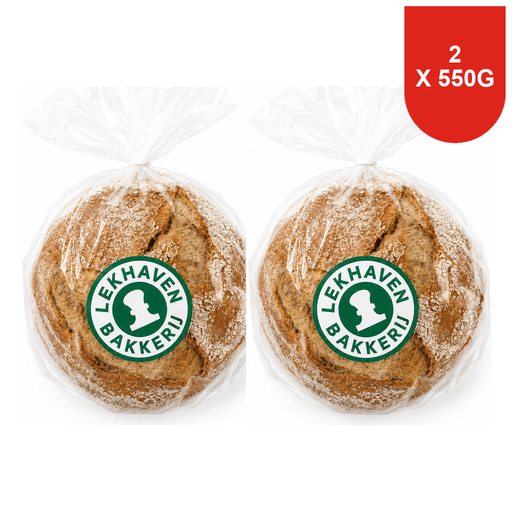 Image unavailable
Two round loaves for anyone who wants to cut their own slices for more meals. If you’re a small group, plan when you’ll use both loaves. You’ll need an oven to bake them, and they’ll need to cool before slicing. Remember to check the allergen information too.
 Image unavailable
Four 135 g multigrain baguettes to slice and share after baking. Choose this shape if pieces of baguette suit your snack; a round loaf is a different shape if you want wide slices for sandwiches. Check the preparation instructions and allergen information.
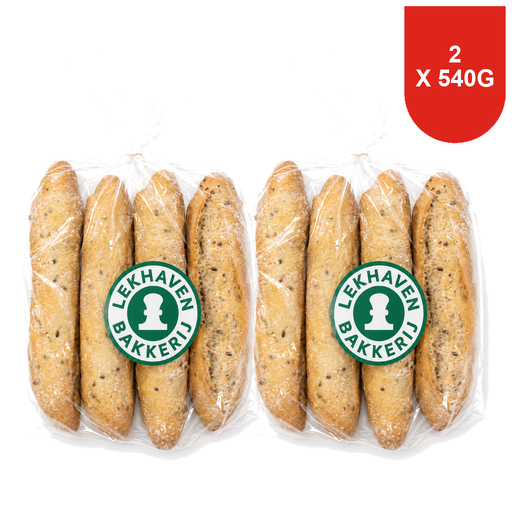 Image unavailable
Two packs, each containing four 135 g multigrain baguettes, give you more individual loaves to spread across your meals. Check that the quantity suits your group; you’ll need an oven to bake them. Read the preparation instructions and allergen information before use.
No. ‘Whole’ can also mean a complete loaf that has already been sliced. If you want to choose the slice thickness yourself, confirm that the version you’ve chosen is supplied unsliced.
No. ‘Multigrain’ on its own doesn’t mean that the whole grain has been used. Look for an explicit wholegrain claim on the packaging, or ask about it if the bread is unwrapped.
Choose an amount that suits your planned meals and follow the storage advice for the specific bread. The Netherlands Nutrition Centre’s Storage Guide recommends keeping wholemeal bread in a kitchen cupboard for 2–4 days and in the freezer for 1–3 months. Also check the packaging instructions for the product you buy.
No. According to the Netherlands Nutrition Centre, using baker’s salt is not compulsory. Check the ingredients list for baker’s salt or iodised salt, or ask about it if the bread is unwrapped.
Ask the seller before buying. The Netherlands Food and Consumer Product Safety Authority says that allergen information for unpackaged products must be made available in a way other than on the label of a pre-packed product.