
Fibre-conscious bread buyers
You’re looking for bread to share at a meal and want to know whether it really has a wholemeal base. So you compare the ingredients and fibre per 100 g, rather than relying on the front of the pack.


For an Asian night when fibre matters, don’t choose on the basis of the words ‘multigrain’, a dark colour or visible seeds alone. Check whether the bread is wholemeal and compare the fibre per 100 g. Sliced bread can be topped straight away or served as toast; baguettes and rolls are easy to break into pieces, but check the baking instructions for bake-at-home products and the allergens for every product.
You’re looking for bread to share at a meal and want to know whether it really has a wholemeal base. So you compare the ingredients and fibre per 100 g, rather than relying on the front of the pack.
You want to serve bread as a side that everyone can share. A baguette or roll that you bake just before the meal needs different preparation from sliced bread.
Before buying, you check which grains and allergens are listed on the packaging. The multigrain products reviewed include cereals containing gluten; warnings about sesame, milk or soya vary by product.
For an Asian night, start by comparing the wholemeal claim and nutritional information. Then choose a bread shape that suits how you’ll serve it, and check the ingredients for the specific product.
| What to consider | What to check when buying | Who it matters to |
|---|---|---|
| Wholemeal base and fibre | Look for ‘wholemeal’ and check the types of flour in the ingredients list. Compare fibre per 100 g for products with the same preparation status. | If fibre is your main consideration, you’ll want to see what the bread is made from rather than relying on the word ‘multigrain’. For around 33% of consumers, choosing wholemeal and fibre is the top priority. |
| Bread shape | Check the number of pieces, the weight and, for bake-at-home bread, the baking instructions. | If you want bread that everyone at the table can share, you’ll want to know whether you need to bake it first. Around 20% of consumers give this way of serving bread top priority. |
| Ingredients and allergens | Read the current ingredients and allergen information, including warnings about possible traces. | If someone sharing the meal needs to avoid certain ingredients, you’ll need to check the bread before choosing it. For around 27% of consumers, checking the ingredients comes first. |
| Availability | Check whether your chosen bread is available at your local store or for delivery to your area, and read the packaging of the product you actually buy. | If you need the bread for this meal, you’ll want to know whether you can get that particular variety. For around 20% of consumers, availability is the main consideration. |
According to the Voedingscentrum, ‘multigrain’ means that at least three types of grain are used. The term alone doesn’t tell you whether the bread is made with wholemeal flour.
Check for a wholemeal claim and read the ingredients list. Then use the fibre per 100 g to compare suitable products.
Albert Heijn explains that waldkorn bread can be made with wholemeal flour, white flour or a combination of the two. A dark colour or seeds on top therefore don’t confirm that it has a wholemeal base.
Let the appearance guide your preference for flavour and texture, but read the label to find out what it’s made from.
The grains listed and allergen warnings vary between breads. For example, product information from Jumbo and PLUS lists cereals containing gluten and the possible presence of other allergens.
Read the current packaging before buying if someone needs to avoid certain ingredients; don’t assume multigrain bread is gluten-free.
Lidl notes that its fresh range may vary from store to store. A product listing alone doesn’t tell you which bread you’ll be able to buy at the time you want it.
Check the range at your chosen store and compare the packaging of the available variety with your selection criteria.
Worth considering if you want to compare the information for a specific wholemeal multigrain roll.
A useful starting point if you want to assess sliced wholemeal multigrain bread.
For anyone considering a multigrain loaf from their local fresh range.
For anyone comparing a whole loaf sold under the product name Boeren volkoren meergranen.
For anyone who wants to bake and share wholemeal multigrain baguettes.
For anyone comparing regular multigrain varieties with products explicitly labelled as wholemeal.
These multigrain baguettes suit the idea of serving bread in pieces alongside an Asian night meal. If you’re choosing a wholemeal option or comparing fibre, check the ingredients and nutritional information on the packaging.
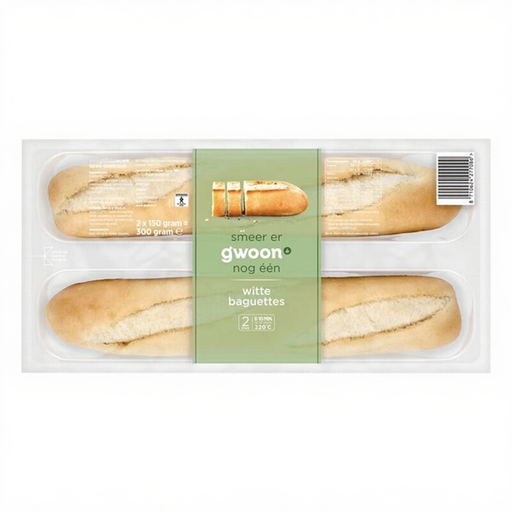 Image unavailable
The baguette shape works well if you want to serve the bread in pieces. The pack contains 2 baguettes with a total weight of 300 g. Check the ingredients for the wholemeal content, the unit used for the fibre figure and the instructions if you want to serve the bread warm. If you have allergies, read the current allergen information too.
No. According to the Voedingscentrum, multigrain means that bread contains at least three types of grain; it doesn’t tell you whether the flour is wholemeal. Check the product name and ingredients list, then compare the fibre per 100 g.
No. Albert Heijn explains that waldkorn bread can be made with wholemeal flour, white flour or a combination of the two. So check the label to assess what it’s made from, rather than judging by its colour.
Follow the instructions for the baguettes you buy. For PLUS Baguettes volkoren meergranen, the instructions specify 8–10 minutes in an oven at 220 °C or 5–6 minutes in a preheated air fryer at 200 °C; don’t assume these timings apply to another product.
No. The Jumbo and PLUS varieties described contain cereals with gluten. Read the ingredients and, if you need to eat gluten-free, choose only a product whose current packaging clearly states that it is gluten-free.
You can’t assume that every multigrain bread contains iodised salt. The product pages for PLUS Baguettes volkoren meergranen and AH Meergranen broodje volkoren list iodised salt; check the current ingredients list for the bread you buy.